Hawaii Volcanoes closures require extra trip checks for anyone planning a fall 2026 visit to Hawai‘i Volcanoes National Park. As of October 8, 2026, the research notes show a mix of volcanic activity, tree work, road-shoulder repairs, hazardous trees, and storm recovery affecting specific trails, bridges, and roads. The most time-sensitive change began at 5 p.m. on Wednesday, October 7, 2026, when the National Park Service closed Halema‘uma‘u Trail and part of Byron Ledge Trail because of ongoing inflation and increased seismicity at Kīlauea summit; the closed section covers 1.3 miles, according to the NPS closure notice.
For travelers, the practical point is not that the whole park is off limits. The supported facts point to specific access changes, some with firm dates and others tied to conditions. That means a fall trip can still be planned, but the plan should be built around official alerts, signed closures, and realistic backup stops rather than a fixed hiking wish list. Travelers looking to compare broader air and route planning resources might find it useful to check out related information at Vision Airlines, particularly when timing flights and ground transfers for a visit to Hawai‘i Island.
What Hawaii Volcanoes Closures Mean For Fall Visits
Hawaii Volcanoes Closures At Kīlauea Summit
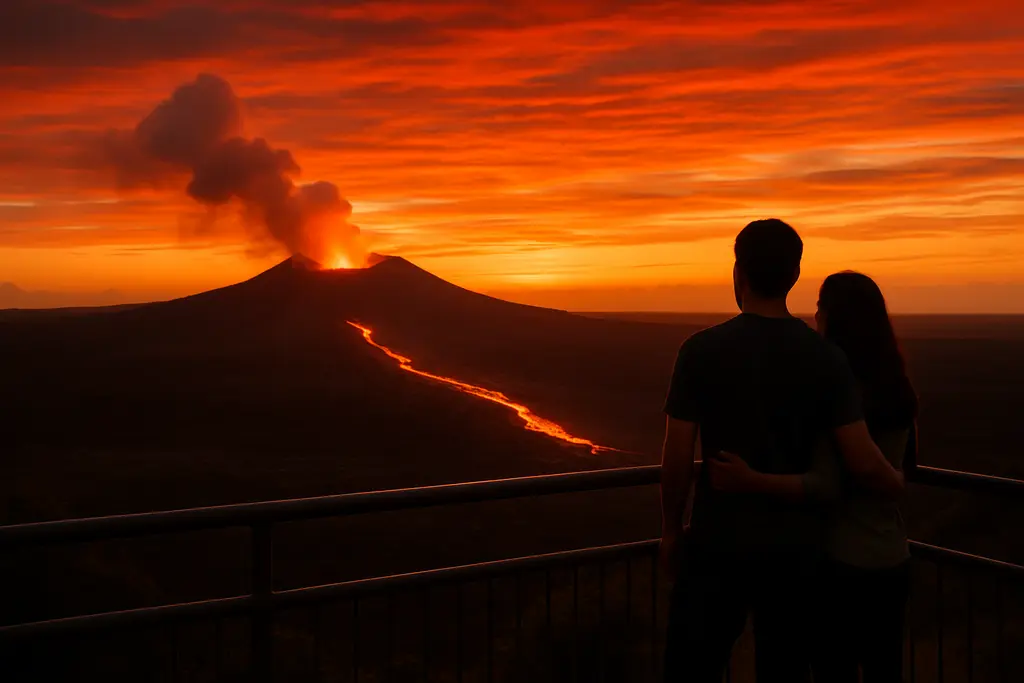
The Kīlauea summit change is the clearest current example of why fall 2026 planning should stay flexible. Halema‘uma‘u Trail and part of Byron Ledge Trail closed at 5 p.m. on October 7, 2026. The stated reason is ongoing inflation and increased seismicity at the summit. The closed portion is 1.3 miles, which is enough to affect short-hike plans, crater-area route choices, and visitors who expected to connect trails near the summit area.
For travelers, Hawaii Volcanoes closures around Kīlauea should be treated as condition-driven rather than routine maintenance. Volcanic inflation and seismicity can change how the park manages access. The research notes do not provide a reopening date for the Halema‘uma‘u and Byron Ledge closure, so it would be inaccurate to assume a short closure window. Visitors should check the official NPS alerts page on the morning of travel and again before leaving lodging, especially if they are driving from another part of Hawai‘i Island.
Road Work, Tree Hazards, And Storm Recovery
The road and trail limits are not all caused by the same issue. Mauna Loa Road is closed to all use, including vehicles, bicycles, and pedestrians, from the second cattle guard, about 2 miles past Kīpukapuaulu, to Mauna Loa Lookout. The research notes identify tree removal as the reason and give a closure period from September 23 through October 29, 2026. That is a clear planning date range, but travelers should still confirm conditions before assuming reopening on the next day.
Hilina Pali Road has a more conditional pattern. Beyond the Maunaiki Trailhead, it is closed to motorized vehicles on weekdays, Monday through Thursday, from 6:00 a.m. to 4:30 p.m., beginning September 14, 2026, for shoulder repair work. The research notes say hikers, bicyclists, and backcountry permit holders are allowed during those work hours, with work expected to finish by November 19, 2026. Separately, the notes also say Hilina Pali Road past the Mauna Iki Trailhead remains closed to motor vehicles as part of storm recovery efforts. Because the wording overlaps and uses both Maunaiki and Mauna Iki, travelers should rely on posted signs and the official NPS alerts page for the controlling access boundary on the day they visit.
Closures By Area And What To Check Before Driving
Kīpukapuaulu, Sulphur Banks, And Escape Road
Kīpukapuaulu Trail is closed due to hazardous trees and hanging limbs. That matters because the same general area is tied to the Mauna Loa Road closure past the second cattle guard. Visitors who planned a forest walk, a Mauna Loa Lookout drive, or a combined stop should not assume nearby alternatives are open simply because they appear close on a map.
Sulphur Banks Bridge remains closed following storm damage related to Hurricane Nolo. The research notes do not give a reopening date. That uncertainty is significant for visitors who expected to move between nearby points on foot without a detour. Short closures can still reshape a low-effort park day, especially for families, travelers with mobility constraints, or anyone trying to fit the park between airport arrival and evening lodging.
Escape Road also remains affected by storm damage or closures, but the research notes state that closure sections vary and that trailhead signage reflects the latest closure boundaries. This is a case where a map saved before the trip may be less reliable than signs on the ground. These Hawaii Volcanoes closures are best handled with a simple rule: if a sign and a prior plan conflict, the posted closure should control the decision.
Mauna Loa Summit Access Requires A Different Plan
The research notes state that the Mauna Loa summit area is still accessible only by backcountry trails, either the ‘Āinapo Trail or via the trailhead past Mauna Loa Observatory on the Daniel K. Inouye Highway side. That wording should matter to visitors who hoped to connect summit ambitions with the Mauna Loa Road corridor inside the park. The road closure to Mauna Loa Lookout and the summit access note point to a trip that needs more than casual scenic-drive planning.
The notes do not provide current permit costs, hut availability, weather windows, backcountry capacity, or route condition details. Travelers considering summit-area travel should verify all of those items with official sources before booking lodging or committing to a multi-day plan. A summit route is not a substitute for a closed roadside overlook, and a backcountry approach should not be treated as a last-minute backup for a canceled day hike.
How To Adjust A Fall 2026 Park Plan

Build The Day Around Confirmed Access
Treat Hawaii Volcanoes closures as a planning input, not a minor inconvenience. A practical fall 2026 visit should begin with the most current official NPS alert, then move to the day’s priorities. If the main goal is a Kīlauea summit walk, check whether the affected Halema‘uma‘u and Byron Ledge segments alter the route. If the goal is a Mauna Loa Lookout drive, the listed closure through October 29, 2026, blocks that plan during the closure period. If Hilina Pali Road is part of the day, weekday motor-vehicle timing matters.
Travelers should also separate closure types. A volcanic-activity closure may shift with geologic conditions. A tree-removal closure has a stated work window. A storm-damage closure may remain uncertain until repairs are complete. A road-shoulder project may affect weekdays differently from other times. These distinctions help visitors avoid overreacting to one closure while underestimating another.
Keep Costs, Timing, And Access In View
The research notes do not list current entrance fees, tour prices, lodging costs, permit costs, or parking limits. Because those items can affect trip value, travelers should verify them before booking. The access facts are more developed than the cost facts here, so the safest planning advice is to avoid prepaid, nonflexible plans that depend on a single closed road, trail, bridge, or backcountry route.
A cautious day plan should include drive-time buffers, a daylight cutoff, and at least one verified alternative that does not rely on the affected areas. This is similar to planning for other national park access changes; for example, readers tracking mainland hiking trips can compare the same verification mindset in BajaTimes coverage of Grand Canyon trail closures. The places differ, but the decision process is alike: official alerts first, assumptions last.
- Check the official NPS alerts page before leaving lodging, not only before flying to Hawai‘i.
- Confirm whether a closure affects vehicles only or also pedestrians and bicycles.
- Do not assume a bridge, road, or trail segment has reopened unless the park says so.
- Read posted signs at trailheads, especially along Escape Road and Hilina Pali Road.
- Keep a backup plan that does not depend on Mauna Loa Road, Halema‘uma‘u Trail, or Byron Ledge Trail.
Hawaii Volcanoes Closures For Fall 2026
The practical value of tracking Hawaii Volcanoes closures is that it turns a fragile itinerary into a workable one. As of October 8, 2026, the supported closure list includes Halema‘uma‘u Trail and part of Byron Ledge Trail, Mauna Loa Road past the second cattle guard, weekday motor-vehicle limits on Hilina Pali Road beyond the Maunaiki Trailhead, Kīpukapuaulu Trail, Sulphur Banks Bridge, motor-vehicle limits past the Mauna Iki Trailhead, parts of Escape Road, and restricted Mauna Loa summit access through full backcountry routes.
The evidence supports caution, not alarm. Hawai‘i Volcanoes National Park is a large, condition-sensitive place where access can change for reasons that are unrelated to visitor demand. Fall 2026 travelers should plan with exact dates where they exist, respect uncertainty where reopening dates are not given, and avoid building a trip around a single trail segment. The strongest plan is one that checks official information repeatedly, follows signs in the park, and accepts that volcanic, storm, and repair conditions may reshape the day.