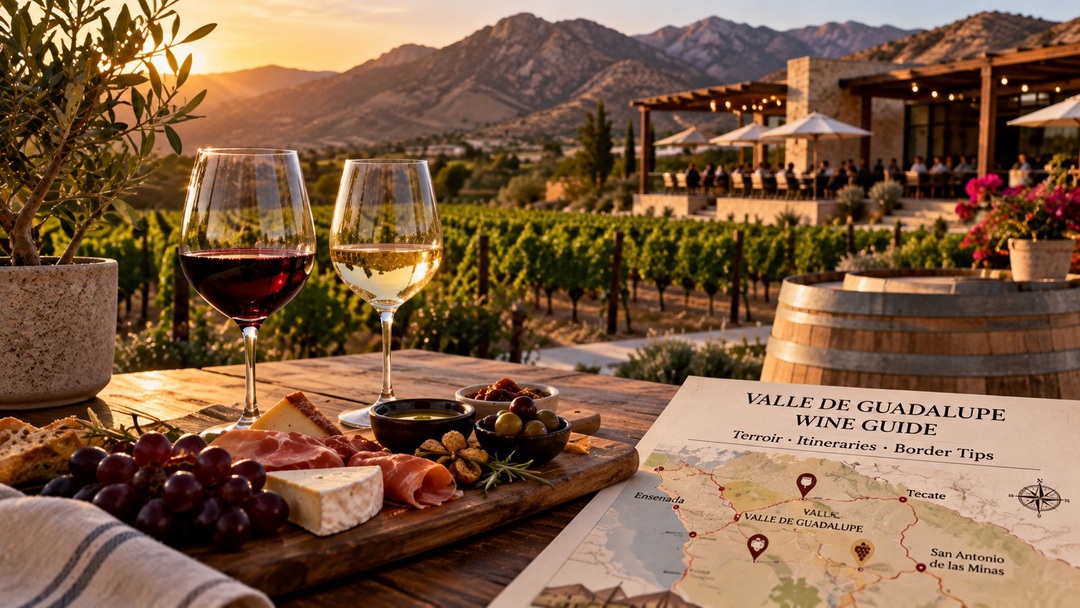
Situated roughly ninety miles south of the San Ysidro international border crossing, the Valle de Guadalupe has transformed from a sleepy agricultural basin into the undisputed epicenter of Mexican viticulture. Producing approximately eighty percent of Mexico’s commercial wine, this sun-drenched corridor nestled within the municipality of Ensenada offers an extraordinary intersection of Mediterranean climatic conditions, rugged Pacific maritime breezes, and radical architectural minimalism. What began in the early twentieth century as a communal farming settlement established by Russian pacifist Molokan immigrants has matured into an internationally acclaimed culinary and oenological destination.
Yet for all its contemporary acclaim, navigating Valle de Guadalupe requires a fundamentally different logistical mindset than touring established valleys like Napa or Sonoma. Unpaved arroyo roads, localized groundwater constraints, variable tasting room reservation policies, and complex border-crossing return dynamics mean that a casual excursion can quickly encounter avoidable friction. Travelers exploring the region benefit from approaching the valley with structured logistical forethought, balancing tastings across diverse microclimates with the realities of regional infrastructure.
Geographical Microclimates and Viticultural Terroir
The viticultural identity of Valle de Guadalupe is defined by its unique proximity to the Pacific Ocean, situated just fourteen miles inland from the port of Ensenada. The valley sits at an elevation of roughly 1,000 to 1,400 feet above sea level, framed by granite-strewn coastal mountain ranges. Daily temperature swings often exceed thirty-five degrees Fahrenheit: blazing daytime heat gives way to cool, coastal marine air that rushes through inland canyon gaps every afternoon, preserving natural acidity across ripening grape clusters.
Granitic, decomposed alluvial soils dominate the valley floor, interspersed with pockets of red clay and sandy loam along dry riverbeds. Unlike traditional Old World appellations bound by strict varietal edicts, Baja California winemakers embrace unfettered stylistic experimentation. French varietals like Cabernet Sauvignon and Syrah grow alongside Italian Nebbiolo and Spanish Tempranillo, frequently blended together to craft bold, structured red wines characterized by ripe fruit profiles and a distinct mineral salinity derived from coastal fog and saline irrigation aquifers.
Understanding these distinct growing pockets enables visitors to appreciate the diversity of the landscape. Exploring regional travel archives reveals that wine country itineraries require careful geographic clustering, ensuring that visitors spend less time navigating corrugated dirt roads and more time engaging directly with boutique winemakers and estate viticulturists.
Sub-Valley Geography and Navigation Logistics
Valle de Guadalupe is not a single uniform corridor; it comprises multiple interconnected sub-valleys linked by Mexican Federal Highway 3 (Carretera Tecate-Ensenada) and a labyrinth of unpaved secondary dirt routes. Knowing where estates sit across these primary zones prevents excessive transit times between scheduled appointments. The following table breaks down the valley’s distinct sub-regions and their operational profiles:
| Sub-Region | Primary Access Corridor | Terroir & Climatic Profile | Representative Wineries | Road & Transit Conditions |
| San Antonio de las Minas | Western entry via Highway 3 (closest to Ensenada) | Direct marine influence, heavy afternoon fog, cooler diurnal cycle | Vinisterra, Alximia, Adobe Guadalupe | Paved highway access with short, well-graded dirt approaches |
| Central Valley (Francisco Zarco) | Km 70–85 along Highway 3 | Alluvial plains, intense daytime heat, classic granite loam soils | Monte Xanic, Bodegas de Santo Tomás, El Cielo | Paved main arteries; high-traffic winery entrances |
| El Porvenir & Northern Arroyo | Secondary dirt roads heading northwest from Zarco | Sheltered desert heat, sandy gravel arroyos, deep red clay pockets | Vena Cava, Adobe Guadalupe, Decantos | Unpaved, heavily washboarded dirt roads; high-clearance vehicle recommended |
| San José de la Zorra | Northeastern canyon routes | High-elevation canyon microclimate, ancient oak groves, rocky terraces | Bodegas F. Rubio, La Lomita | Rugged unpaved canyon tracks; slow transit speeds required |
The unpaved roads connecting estates in El Porvenir and San José de la Zorra present an authentic rural charm, but they also demand vehicle awareness. While standard sedans can manage most main winery roads during dry summer months, winter rains can turn low-lying wash crossings into hazardous mud. Renting a vehicle with higher ground clearance or hiring a dedicated local driver ensures smooth navigation across rugged terrain while allowing all party members to enjoy wine tastings responsibly.
Curating the Daily Tasting Itinerary
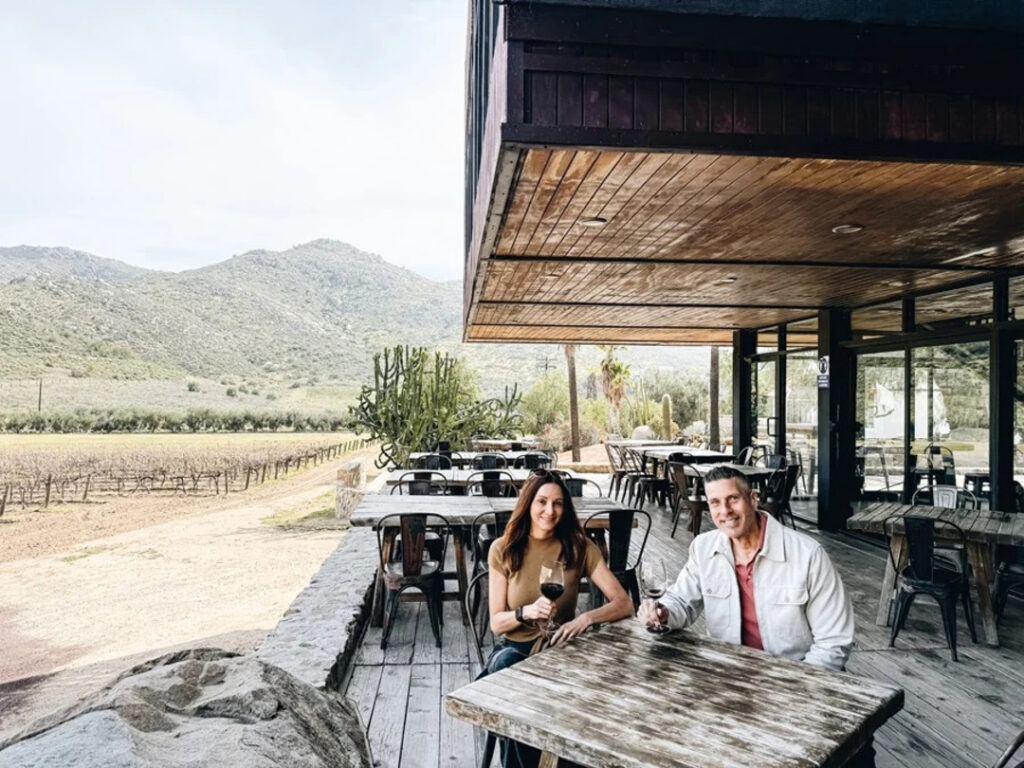
A frequent mistake among first-time visitors is over-scheduling. In established wine regions, booking four or five cellar visits in a single afternoon is common; in Valle de Guadalupe, attempting more than two to three tastings daily compromises the experience. Tastings in the valley are deliberately leisurely affairs, often conducted outdoors beneath ancient olive trees or within striking architectural pavilions designed by notable Mexican architects like Mauricio Rocha and Jorge Gracia.
To craft an efficient and enriching itinerary, travelers should group visits by geographical proximity, scheduling a maximum of two winery appointments and one major culinary experience per day:
- Morning Terroir Baseline (11:00 AM): Begin with an estate tour at a foundational producer like Monte Xanic or Casa de Piedra to understand the historical evolution of Baja winemaking, regional soil structures, and water management innovations.
- Midday Campestre Dining (1:30 PM): Transition to an open-fire, outdoor garden restaurant such as Finca Altozano, Fauna at Bruma, or Deckman’s en el Mogor, where hyper-local ingredients—sourced directly from San Quintín vegetable farms and Ensenada fish markets—are prepared over native mesquite embers.
- Afternoon Boutique Tasting (4:00 PM): Conclude at an architectural or biodynamic micro-winery such as Vena Cava (constructed from reclaimed fishing boat hulls) or Clos de Tres Cantos, sampling experimental low-intervention amphora wines as the afternoon sun casts long shadows over the granite hillsides.
Advance reservations are mandatory at premier estates, particularly from Thursday through Sunday. Many boutique producers limit daily guest counts to protect the intimacy of their salon tastings and conserve operational water resources.
Practical Cross-Border Travel Regulations and Documentation
Executing a successful overland journey to Valle de Guadalupe requires strict adherence to international border regulations. When driving across the United States-Mexico border at San Ysidro or Otay Mesa, travelers enter Mexican federal jurisdiction. U.S. domestic automobile insurance policies are not legally recognized in Mexico; drivers must purchase a dedicated Mexican auto insurance policy covering third-party liability prior to crossing the international boundary.
Visitors planning to stay in Mexico longer than seven days, or traveling beyond the immediate border zone, are required to obtain a Forma Migratoria Múltiple (FMM) tourist card from the Instituto Nacional de Migración (INM). While short weekend trips along coastal Highway 1D toll roads are routine, carrying a valid passport book is non-negotiable for both Mexican immigration checkpoints and reentry into the United States.
For the return journey northbound into Southern California, border wait times at San Ysidro and Otay Mesa can exceed three hours on Sunday afternoons. Travelers should plan strategically around these delays:
- Utilize Alternative Crossings: The Otay Mesa crossing or the inland Tecate border post often experience shorter wait queues than the high-volume San Ysidro gates, though Tecate operates on restricted operating hours.
- Leverage Trusted Traveler Lanes: Passengers enrolled in Global Entry, SENTRI, or NEXUS programs can utilize dedicated expedited lanes, provided the vehicle itself is registered in the trusted traveler system.
- Time the Departure: Departing the valley in the early morning or lingering through a relaxed Sunday dinner to cross after 9:00 PM significantly reduces queue congestion at all primary land ports.
A Balanced Approach to Baja Wine Country
Valle de Guadalupe rewards travelers who embrace its unhurried rhythm and rustic elegance. It is a region where world-class gastronomy and experimental viticulture exist side by side with dusty country lanes, generational ranches, and untamed coastal desert landscapes. The valley’s allure lies precisely in this dynamic contrast: sophisticated cellar masterclasses experienced against the unvarnished authenticity of Baja California.
By respecting local transit logistics, understanding the climatic nuances of each sub-valley, and planning cross-border paperwork in advance, visitors unlock the very best of Mexican wine country. When approached with patience and thoughtful preparation, an excursion into Valle de Guadalupe stands among the most captivating oenological adventures in the Americas.