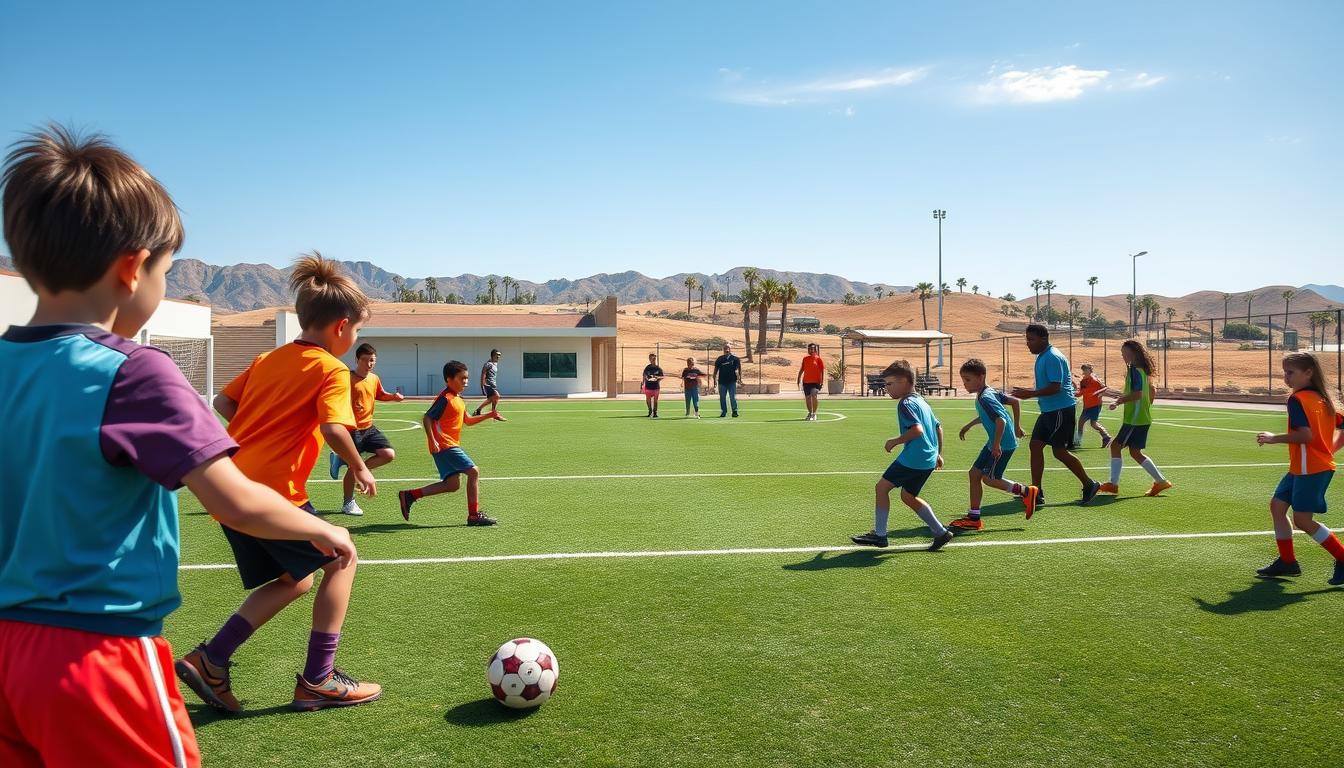
Forget the myth of the discovered prodigy. What’s happening along that sun-drenched coastline isn’t about luck. It’s a deliberate, high-output system.
Think less Hollywood scout, more Silicon Valley incubator. This is a machine engineered to find raw talent and mint competitive gold.
I’ve watched the process up close. The 5 AM surf sessions that double as physics class. The soccer drills that look like abstract art until the pattern snaps into focus. It’s a relentless, beautiful grind.
So how does this region consistently produce such polished talent? The answer isn’t magic. It’s a cold, calculated strategy.
Adapting a philosophy of “enduring capability where it matters,” the focus is on building talent pipelines. These pipelines directly support a clear goal: winning. This isn’t just play. It’s a strategic investment in human capital.
Let’s look under the hood of this machine.
Introduction
The path to becoming a champion in Baja is not just about reaching the top. It’s about growing and nurturing talent in a supportive community.
The climate is always ready for sports, and the culture values physical activity. But the real secret is not just luck. It’s a careful plan to develop young athletes.
Why choose Baja? It’s where a love for movement meets a smart way to grow it. Groups here believe that sports are part of a bigger picture. They think that keeping kids busy helps them focus and grow.
Organizations like America On Track aim to build leaders, not just athletes. They want kids to be strong and responsible, both on and off the field. This approach makes junior athlete development more than just sports.
This change is from luck to a well-thought-out plan. It’s about growing talent with a careful eye, just like a business investor. The idea of natural talent has been replaced by data and a community effort to improve performance.
The table below shows how Baja has changed its approach to building athletes:
| Aspect | The Romanticized Past | The Baja Pipeline |
|---|---|---|
| Discovery | Accidental, based on standout moments. | Systematic, through broad-based engagement programs. |
| Focus | Primarily on physical talent and winning. | Holistic, blending skill, leadership, and personal development. |
| Structure | Ad-hoc, reliant on individual coaches or clubs. | Integrated, with clear pathways from beginner to elite levels. |
| Outcome | The singular champion. | A cultivated cohort of skilled, resilient athletes. |
This introduction is about the start, not the end. We’re looking at the foundation, not just the glory. The next parts will explore the programs, coaches, and ideas that make Baja a unique place for athletic development system. The game has evolved, and here’s how they play it now.
The Role of Youth Development Programs
Forget what you think you know about after-school sports. The youth programs in Baja are on a whole new level.
This isn’t just about keeping kids busy until dinner. It’s a strategic effort. It’s like a talent pipeline with a detailed analysis.
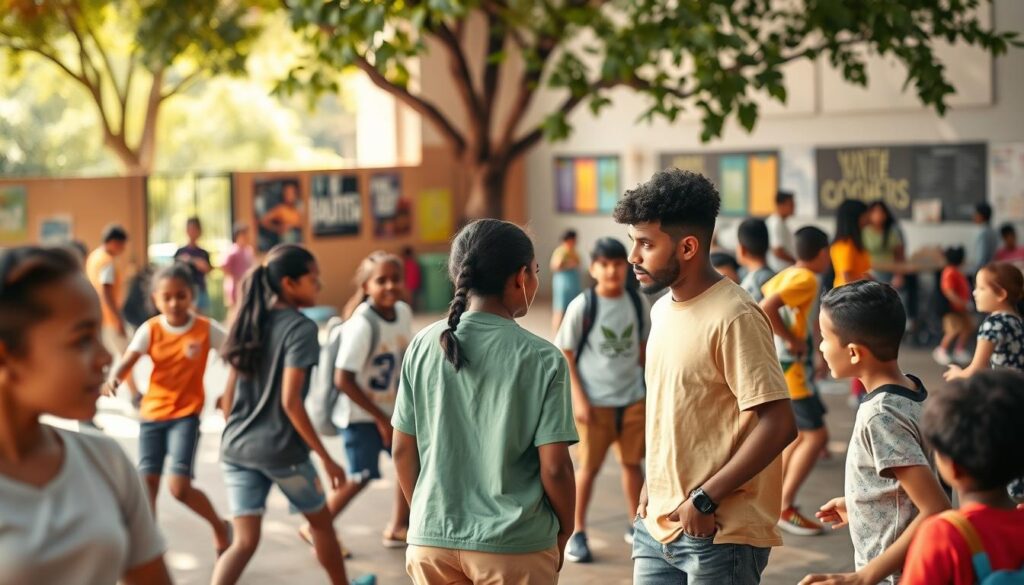
The top programs work like a corporate training analysis. They don’t just see a kid who can run fast. They see a 12-year-old with explosive acceleration but poor aerobic capacity.
They don’t just see a young pitcher. They look at the mental strength when the game matters most.
This detailed identification of skill gaps is key. It turns raw enthusiasm into deliberate practice. The focus shifts from just playing to improving.
But there’s more. These programs are also vital community hubs. They offer equity and access to top-notch coaching and facilities.
This access might be limited by where you live or your family’s income. A kid in a remote town gets the same training as one in a sports-rich city.
So, what do these modern programs really do? They are both a lab and a guiding light. They analyze and build the athlete. At the same time, they guide and include the child.
The result isn’t just a trophy. It’s a roadmap. It’s the key difference between letting a kid play and teaching them *how* to play to win.
Key Clubs & Academies
Forget the old days of dusty lots and makeshift goals. Today’s sports academies in Baja focus on systems and growth. They test the talent pipeline with practical, gritty tests. The passion is there, but now with a corporate twist.
A community club is the heart, where love for the game starts. But the elite academies are the labs. They’ve adopted a professional framework, not just drills.
This change is like what Kaizen suggests for training academies. They focus on clear governance, models, curricula, and digital tools. In Baja, top youth academies build on these. It might seem too much for teens, but it’s the new standard.
The system is tiered and serves a purpose. You have clubs that are the neighborhood’s heart. Then, development academies bridge the gap. At the top, high-performance centers link to pro teams.
Let’s see what this looks like in practice across the peninsula.
| Academy Tier | Primary Focus | Typical Structure | Curriculum Approach | Technology & Pathway |
|---|---|---|---|---|
| Community Club | Access & Fun | Volunteer-led, non-profit | Fundamental skills, recreational play | Minimal; local league participation |
| Development Academy | Skill Progression | Paid coaches, basic governance | Age-specific technical training | Some video review; regional competition |
| High-Performance Academy | Elite Talent Production | Professional staff, corporate operating model | Tactical & physical periodization | Integrated digital analysis; pro team feeder |
The community club is essential. It’s where talent starts. Development academies refine it. But high-performance training academies play the long game. They have phased curricula and digital tools for review.
This isn’t just about better sports. It’s about making athletes adaptable. The operating model ensures the program lasts. Governance protects everyone involved.
Looking at Baja clubs and academies shows modern sports development. The heart is in community parks. But the brain is in professional academies. They link local talent to the world beyond.
Athlete Success Stories from Development Tracks
Data is compelling, but stories are more convincing. We follow Baja’s junior athletes from start to success. These are not just achievements, but a detailed look at how the system works.
From Grommet to Globe-Trotter: The Surfer’s Path
Imagine a local surfer starting on a foam board in Rosarito. A true Baja grommet. His journey was more than just surfing. It was a structured long-term athletic development path.
The academy offered top-notch technical coaching. But what really set him apart was the whole package. They added sports psychology and media training. This turned him into a marketable athlete, not just a great surfer.
Was it early specialization or playing other sports that helped? His story shows the academy’s value was in turning passion into a career. They made raw talent into a viable career, before he even joined the World Surf League.
The Pitch to Pro: A Soccer Trajectory
Now, let’s look at the soccer player. She was discovered at 14 during a Liga Premier match. Her journey is a lesson in systematic talent identification and funneling.
Scouted locally, she joined a partner academy leading to the MLS Next system. The path was straightforward: local showcase, regional academy, national platform. This structure removed uncertainty.
But what was the key factor? Was it a coach who focused on tactics over speed? Or playing basketball in the off-season? Her success story shows the pipeline works, but also the importance of personalized adjustments.
These stories show the system’s success. They prove that junior athlete development is a tailored journey. The surfer needed media skills as much as surfing skills. The soccer player needed a funnel and a coach who saw her unique talent.
Their stories answer the big question. Yes, the pipeline works. But its greatest strength is adapting to each athlete. That’s how champions are made.
Coaching Philosophies
Forget the whistle and clipboard; today’s coach in Baja’s youth programs is more like a startup founder. They’re not just barking orders. They’re building athletes’ futures. This approach mixes old-school grit with a focus on the player and the game.
The best coaches wear three hats: tactician, psychologist, and talent manager. They know skill is just the start. They aim to make athletes who are globally competitive. This means they need strategic thinking and the ability to understand performance data.
This new view has made the old drill-sergeant model outdated. Today, programs focus on creating supportive learning environments. These environments help with both social-emotional needs and tactical skills. The coach acts as a guide, not a dictator.
This approach is backed by research on motivation and mindset. It shows how important these factors are for long-term success, as seen in studies on athletic psychology linking coaching methods to athlete well-being.
So, what does this new system look like in action? Let’s take a closer look.
- Player-Centric Design: Sessions are built around athlete input and discovery, not just rote repetition.
- Data-Informed Decisions: Wearables and video analysis provide objective feedback, fostering that digital fluency.
- Psychological Framing: Coaches teach resilience and emotional regulation as core skills, not soft bonuses.
- Contextual Learning: Tactics are taught within the flow of modified games, not in sterile isolation.
The shift is clear. We’ve moved from a factory model to a studio model. The table below highlights the key evolution in coaching mindsets within Baja’s elite youth programs.
| Aspect | Old-School Command Model | Baja Hybrid Model |
|---|---|---|
| Primary Focus | Discipline & Obedience | Autonomy & Strategic Problem-Solving |
| Learning Style | Mass Drills, One-Size-Fits-All | Differentiated, Game-Based & Small Group Pods |
| Feedback Method | Corrective, Authoritative | Collaborative, Data-Driven & Question-Led |
| Success Metric | Short-Term Wins & Conformity | Long-Term Athlete Development & Personal Growth |
| Coach’s Role | Director & Drill Sergeant | Facilitator, Mentor & Talent Architect |
This isn’t just touchy-feely stuff. It’s a system for building tougher, smarter athletes. The hybrid coach knows when to push and when to listen. They create a culture where failure is seen as a chance to learn, not a failure.
The result? Youth programs become talent incubators. They produce players who can read the game, manage pressure, and lead. They’re not just building better soccer players; they’re crafting more adaptable humans. The philosophy is the bedrock. And in Baja, that bedrock is looking decidedly 21st century.
Challenges and Opportunities
Baja’s sports development is a complex mix of big chances and tough obstacles. The system, despite its many successes, faces real challenges. It’s a battle played out on fields and in gyms.
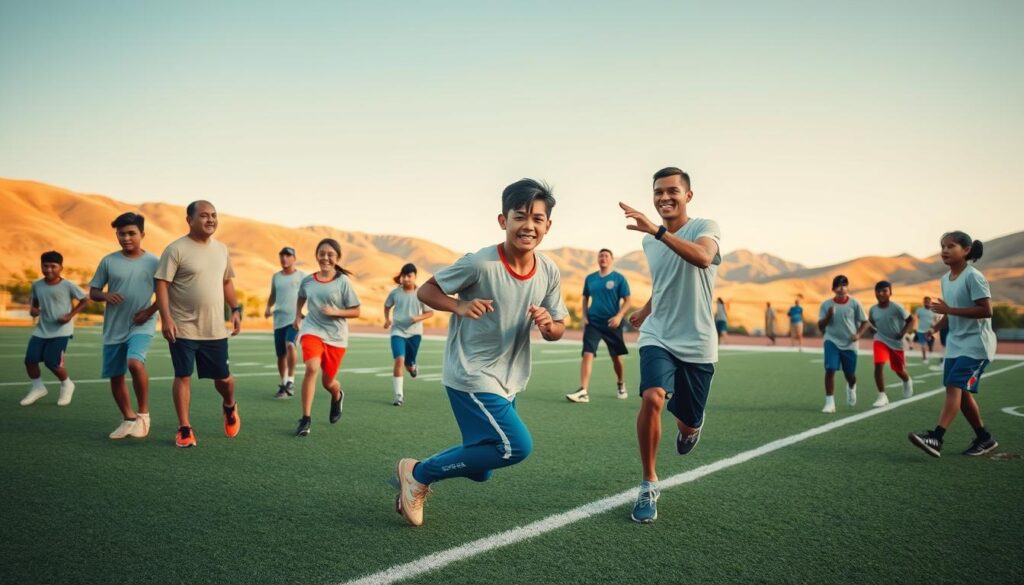
The Persistent Hurdles
Funding is a big problem for sports academies Baja. Many talented athletes miss out because clubs can’t afford the right equipment. Writing grants is a huge task, like a full-time job.
There’s also the risk of making money too much of a focus. This can blur the mission of the academy. It’s a fine line between developing athletes and running a business.
Standards are another issue. Many academies lack a formal, quality-assured curriculum. This gap can lead to a lack of consistency in training.
The Horizon of Possibility
But there’s also a lot of promise. The world loves sports, and a standout athlete from Baja can be a global star. This digital fame can open doors for athletes and programs.
Innovative public-private partnerships can solve funding problems. Imagine corporate sponsors upgrading facilities, creating top-notch training spots. It’s a shift from scarcity to strategic investment.
The biggest chance might be in niche sports. Baja’s diverse landscape is perfect for sports like surfing and climbing. Focusing on these can put a local academy on the world map.
| Factor | Challenge | Opportunity | Strategic Implication |
|---|---|---|---|
| Financial Model | Reliance on tuition/fees; uneven access. | Corporate sponsorships & media rights. | Shift from pay-to-play to talent-as-investment. |
| Program Quality | Inconsistent coaching curricula. | Adopting accredited, data-driven frameworks. | Elevates all sports academies Baja to a professional standard. |
| Talent Scope | Over-focus on mainstream sports. | Pioneering development in emerging/niche sports. | Creates unique selling proposition and diversifies athlete pipeline. |
| Infrastructure | Limited, aging facilities. | Public-private ventures for modern complexes. | Transforms community assets into champion factories. |
The way forward isn’t ignoring problems. It’s about facing them head-on. The best sports academies Baja will treat funding as a strategy, not a crisis. They’ll see accreditation as a sign of quality, not red tape. They’ll use their unique setting to create something special, not just follow a template. The future is being shaped in real-time.
How to Join a Program
Joining a junior athlete development program is like applying for a top internship. It involves research, performance, and strategy. You wouldn’t send a blank resume to Google. Don’t just show up at a field with cleats and hope. This guide is your tactical plan for the parent of a prodigy or the teen with a fire in their belly.
Step 1: Do Your Reconnaissance
Your first move isn’t a sprint. It’s a deep dive. Find every club and academy in your sport within a realistic radius. But go beyond names. Understand their ethos. Is this factory focused solely on creating draft picks, or is it a community hub that values character? Scour their social media. Talk to current parents. This isn’t creepy. It’s due diligence.
Your goal is to match ambition with environment. A hyper-competitive kid might wilt in a purely inclusive program. A late bloomer could get crushed in a win-now academy. Get this right first.
Step 2: Prepare Your Application Arsenal
Now, you make contact. This is where the UCI field study model shines. You don’t call. You prepare a package.
- The Email: Subject line: “Inquiry: [Athlete’s Name] – [Sport] Development.” Keep the body succinct. Introduce the athlete, state the goal, and express specific interest in their program’s philosophy.
- The Resume: Yes, a sports resume. List competitive experience, training history, notable coaches, and academic standing. It shows you’re serious.
- The Highlight Reel: Three to five minutes max. Edit ruthlessly. Show fundamentals, game IQ, and resilience. No cheesy music.
- The Google Form: Many programs use them. Fill out every field thoughtfully. “Describe your interests” is not a throwaway line. It’s your elevator pitch.
This package isn’t bragging. It’s evidence.
Step 3: Navigate the Tryout Gauntlet
You’ve secured an invite. The tryout is not just an evaluation. It’s a two-way audition. They watch your skills. You watch their culture.
Arrive early. Listen more than you talk. How do coaches communicate? Is it all bark, or is there constructive teaching? Observe the other athletes. Are they supportive or cutthroat? Perform, but also absorb. This day is a microcosm of the daily grind in their junior athlete development track.
Step 4: Ask the Right Questions
If there’s a Q&A, or better yet, a scheduled meeting after, be ready. Your questions reveal your priorities and vet their program.
- “Can you map out a typical development pathway for an athlete my age/level here?”
- “What is your primary coaching philosophy, and how is it implemented daily?”
- “What are the total expected costs—tuition, travel, equipment—for a season?”
- “How do you handle academic support and scheduling?”
- “What does communication with parents look like?”
Their answers tell you everything. Vagueness is a red flag. Specificity shows a structured system.
| Program Type | Primary Focus | Application Emphasis | Key Question to Ask |
|---|---|---|---|
| Elite Academy | National competition, pro pathways | Performance metrics, prior results | “What is your athlete placement rate at the collegiate/pro level?” |
| Community Club | Skill-building, inclusive participation | Coachability, attitude, long-term interest | “How do you balance playing time with development goals?” |
| School-Affiliated | Academic-athletic balance | Grades, multi-sport talent | “How integrated is the training schedule with the academic calendar?” |
| Hybrid Development Center | Holistic training (mental, physical, technical) | Athletic resume, personal goals essay | “What specific mental skills or nutrition programming is included?” |
So, you’ve done the research, sent the package, survived the tryout, and asked the sharp questions. The final decision is a gut check. Does the environment feel like a pressure cooker or a greenhouse? Both can grow talent, but only one fits your seed.
Remember, the right junior athlete development program isn’t just a service you buy. It’s a partnership you join. Choose the partner that talks about the marathon, not just the next sprint.
Conclusion: Nurturing Future Greats
So, what’s the final score on Baja’s champion factory? It’s not perfect, but it’s full of life and mess. It’s like a startup that hit it big with community pride.
The magic comes when passion meets a solid system. Local youth programs are the foundation. Coaching and academies add the framework. The aim is to create a line of excellence, not just win once.
This approach is all about lasting impact. Kaizen’s mission is about lasting ability. The UCI community programs aim for lasting change. Winning a title is just a moment. Building a pipeline is a legacy.
Success depends on improving these youth programs. It’s an ongoing effort. The community is not just training athletes. It’s building its own strength and identity.
The game never stops. Players just get better. The pipeline makes sure the next generation is ready to go.