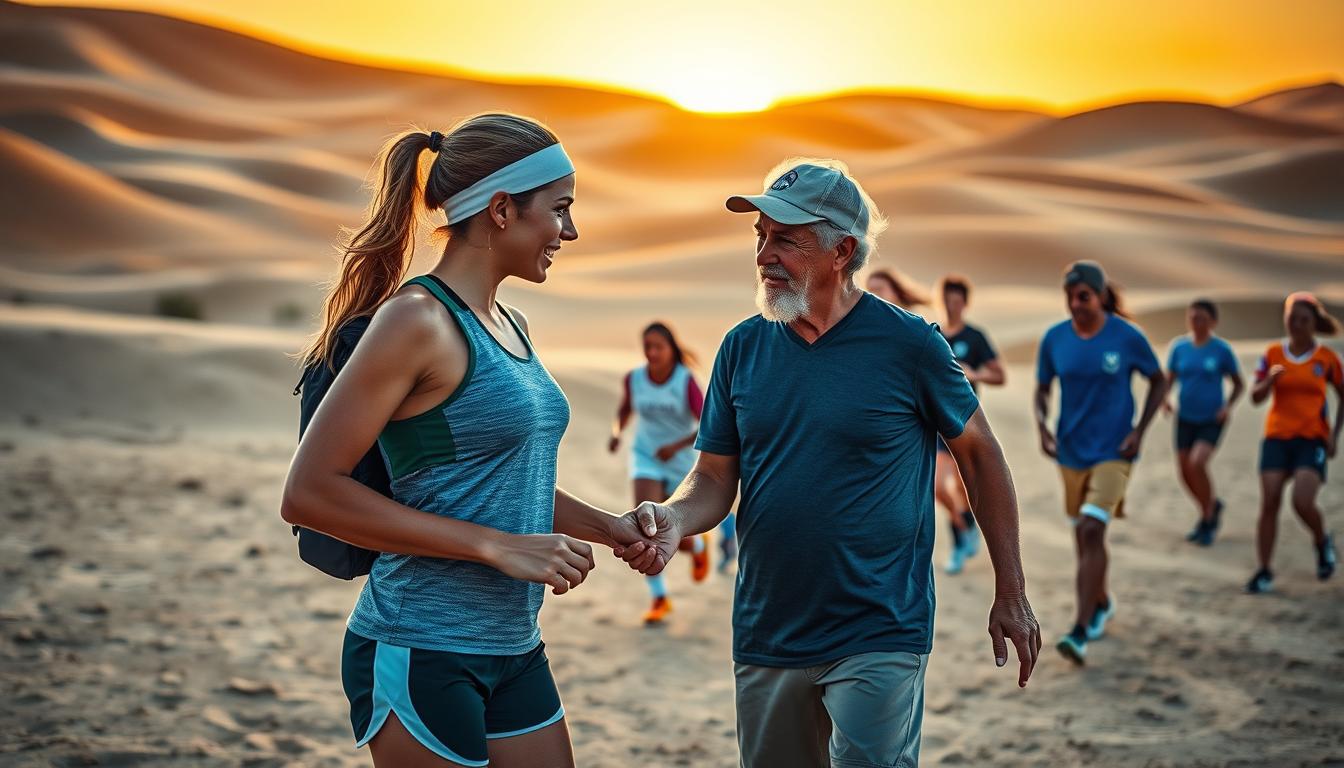
What do championship dynasties and family recipes have in common? They’re both passed down, perfected, and sometimes spilled under pressure.
This isn’t just about winning games. It’s a long-term project passed down through generations. Athletic excellence is like a relay race, where each generation adds to the legacy.
Coaching styles are like vintage tequila—complex and defining. Talent is important, but the real magic is in the transmission of knowledge from one generation to the next.
We’re talking about a culture where victory is a family heirloom. The playing fields are where the latest chapter gets written. So, how does this machine actually work? Let’s pull back the curtain.
Introduction
In Baja, you don’t find sporting legacies in glossy arenas. Instead, they’re found in the dust of a local diamond. There, a ten-year-old with a swing that tells a fifty-year story is watched.
I’m in Ensenada, squinting against the late afternoon sun. The air smells of dry earth and leather. The sound of a bat isn’t from a major league player. It’s from a kid whose name I don’t yet know.
His form is too polished, too efficient for someone his age. It’s not just practice; it’s pedigree.
A quick conversation with his father confirms the hunch. The boy’s grandfather was a pitcher for the Diablos Rojos del México in the 1970s. The old man’s fastball is gone, but his knowledge lives on in his grandson. This isn’t an anomaly; it’s the local template.
So, why here? What is it about the Baja Peninsula that turns athletic talent into a multigenerational heirloom? Is it something in the water, or is it something far more interesting in the culture?
This scene quietly dismantles a cherished American sports myth: the lone, self-made athlete rising from nothing through sheer will. We love that story. It’s simple, heroic, and sells a lot of sneakers. But in Baja, the origin story is different. Success isn’t a solo mission; it’s a family project, a community investment. The Baja model is built on three pillars: communal knowledge passed down like a secret recipe, shared sacrifice that spans decades, and a legacy that acts as both rocket fuel and anchor.
Let’s be clear. This family legacy isn’t just a warm, fuzzy heirloom. It’s a living, breathing, and sometimes crushing weight. The expectation to uphold a name can be a burden as much as a blessing. The kid on that diamond isn’t just playing for himself; he’s playing for every relative who ever picked up a bat.
The contrast between the dominant narrative and the Baja reality is stark. It’s not about which system is better, but about understanding the engine that drives success in a specific place.
| Model | Origin of Skill | Support System | View of Legacy | Cultural Engine |
|---|---|---|---|---|
| American Individualist Myth | Innate talent & relentless solo grind | Private coaches, personal sponsors | Something to be created from scratch | Meritocracy & personal brand |
| Baja Communal Model | Knowledge passed through generations | Extended family, local community network | A living entity to be maintained and honored | Collective pride & shared history |
This article is an exploration of that engine. We’ll move from this dusty diamond to the living rooms and kitchens where games are dissected, to the sidelines where advice is shouted not just in Spanish, but in the specific dialect of a family tradition. We’re looking beyond the trophies to the transmission of technique, mindset, and passion.
Why does Baja produce these sporting bloodlines? The answer isn’t in a scouting report. It’s in the stories, the sacrifices, and the silent understanding that when you compete here, you’re never really alone on the field. The torch was passed long before you were born.
Sporting Families of Baja: Multi-Generational Stories
In Baja, family heirlooms are not just money or fancy things. They are a well-worn mitt, battered boxing gloves, and knowing how to read a wave. These generational athletes Baja come from families that value hard work and dreams. They grow up learning sports in their backyards, where family pride is everything.
Boxing families in Tijuana and Mexicali teach their kids to move like a pro from a young age. The Zepedas are a great example, where boxing is like speaking Spanish. Kids learn to dodge and weave before they can tie their shoes. They pick up tips on fighting from their family, making them skilled almost without thinking.
Surfing families on the Pacific coast learn in a different way. In Todos Santos, surfing is passed down through generations. Kids watch their aunts surf and learn from them, understanding the ocean’s rhythms. This way, they develop a deep connection with the sea.
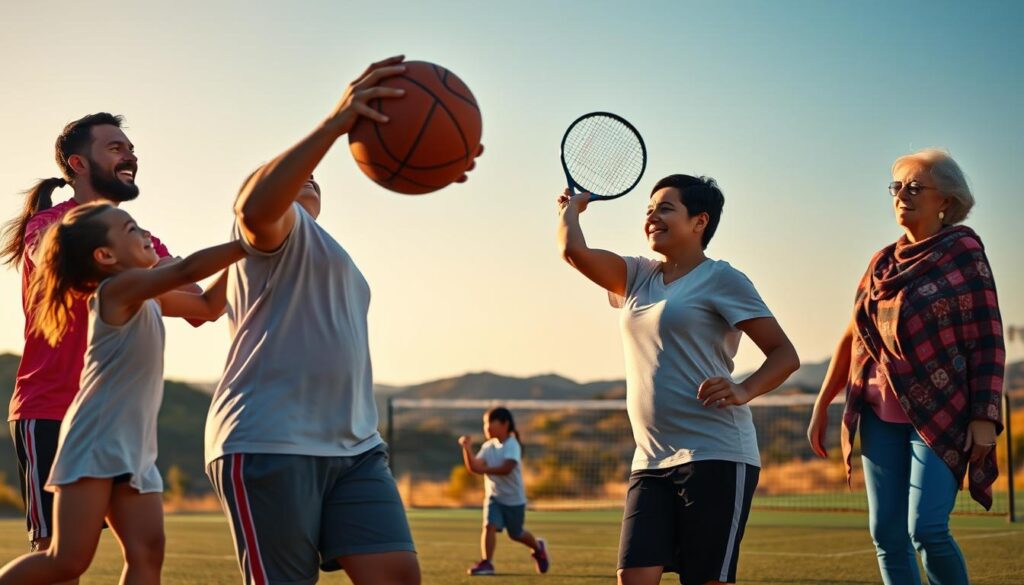
Soccer families in Baja are all about strategy. They practice in backyards, learning from their elders. Grandfathers teach their grandkids about soccer, making them smart players. Every goal is a family victory, but there’s also pressure to keep the family’s reputation high.
What ties these families together? It’s their shared love for sports. They take pride in their athletic heritage, but it’s not easy. They face the challenge of living up to their family’s name. These families are the heart of Baja’s sports scene, showing that success is often a family effort.
Influence of Family & Mentors
Forget the whistle and clipboard; the real curriculum of Baja’s sporting dynasties is taught in kitchens and pickup trucks. We’ve met the who—the families with names etched into local lore. Now, let’s crack open the engine and see how these sporting lineages actually function. It’s a transfer of more than just technique. It’s a handoff of trauma, hope, and a very specific, hard-won institutional memory.
Consider the classic coach. Their role is formal, often transactional. They deal in drills, game plans, and tough love. Now, picture a parent who’s walked the same path. Their guidance is nuanced, intimate, and operates on a 24/7 frequency. It’s the difference between a hired guide and a lighthouse keeper who knows every hidden reef because they’ve been shipwrecked there themselves.
The methods of transmission are rarely found in a playbook. They happen in the silent car ride home after a brutal loss—a quiet space where disappointment is absorbed, not dissected. They’re in the strategic advice muttered over scrambled eggs, turning breakfast into a film session. The heaviest lessons are often the unspoken ones: the expectations that hang in the air, thicker than Baja’s morning fog.
To really see the machinery, let’s put the two mentorship models side-by-side. One is a job. The other is a legacy.
| Aspect | The Formal Coach | The Family Mentor |
|---|---|---|
| Primary Method | Structured drills, scheduled practices | Organic advice, lived-experience anecdotes |
| Typical Setting | Field, gym, office | Home, car, family gathering |
| Emotional Load | Professional distance; focus on performance | Personal investment; transfer of hope & fear |
| Curriculum | Tactics, fitness, sport-specific skills | Resilience, history, navigating local systems |
| End Goal | Winning the game, season success | Upholding the family name, perpetuating the legacy |
See the difference? The family mentor isn’t just teaching you how to throw a curveball. They’re teaching you why your grandfather’s shoulder aches in the humidity, and what that pain bought for your future. This is the deep code of sporting lineages.
It’s analytical, when you think about it. The data points aren’t just stats. They’re sighs, glances, and stories told for the hundredth time. A father’s advice is often a transfer of his own past failures, a hope to correct them in the next generation. The mother’s steady presence is a bulwark against the same institutional pressures she faced.
So, how is the torch passed? Not in a single, glorious moment. It’s passed in a thousand mundane interactions. It’s the subtle calibration of expectation and support. It’s the understanding that your performance is never just your own—it’s a chapter in a much longer story. This is the invisible, powerful curriculum that keeps Baja’s athletic dynasties running, season after season, generation after generation.
Cultural Values Driving Sport
Is the Baja 1000 just a race, or is it more? It’s a tough, thousand-mile journey across harsh terrain. It’s not just about driving; it’s about family tradition and grit. The vehicle, strategy, and will to finish are all passed down.
This isn’t a hobby; it’s a family tradition. It shows the strong cultural roots of Baja’s generational athletes.
The soil of Baja is rich with familismo. It’s not just family dinners. It’s about the family’s importance in sports. The team includes everyone, from abuelo to primos.
Learning a sport is learning family loyalty. The family name is at stake in every game. It’s not just about winning; it’s about honor.
Baja’s history teaches resilience. It’s a place of beauty and harshness. You need to be tough to survive.
The landscape of Baja is harsh. It teaches you to adapt and be tough. It’s no wonder athletes here see challenges as part of the game.
The phenomenon of generational athletic families in Baja is not by chance. It’s a mix of family and frontier spirit. The legacy is in the calluses and the way parents teach their children.
The athlete is shaped by the place. Baja’s values of family and endurance create its champions. The torch is lit by history, culture, and terrain.
Featured Family Interviews
I expected old stories, but found something deeper. A Baja fisherman teaching his granddaughter to swim showed me the complexity of family bonds.
In Loreto, I met Miguel. He’s a third-generation fisherman and triathlete. On his boat, the Esperanza II, he shared stories of his family’s history. “My grandfather raced for food,” he said, pointing to the Sea of Cortez. “I race for a trophy. He would laugh.”
There was a pause. I noticed it. He didn’t mention his father. When I asked, Miguel shrugged. “A good fisherman. He wanted me to be better. The triathlon is my juego, my game.”
In Todos Santos, I met the Espinoza siblings. Ana shapes surfboards, and Luis is a pro surfer. Their banter was lively. “He used my first board as a doorstop!” Ana said. Luis replied, “It was waterlogged! You shaped it with a butter knife!”
Underneath their jokes, they were discussing their father’s influence. “He taught us to read the ocean,” Luis said. Ana added, “And to never let the book write our lives.” They wanted to honor their family legacy but not be controlled by it.
Miguel and Luis shared stories that might shock some parents. Miguel was thrown off the pier at six. Luis was sent into a stormy swell at twelve. These stories were told with pride, showing their resilience.
They didn’t talk about the boredom. Miguel studied accounting but hated it. The family’s craft was their language, their world.
This view shows a key truth. In Baja, a family legacy is alive, not just a relic. It’s documented in local lore and records like NORRA’s records of Baja’s racing families. The legacy is passed in everyday moments, not ceremonies.
There are moments of vulnerability. Ana wondered if her best work was her father’s. Luis said he lost for more than himself. The legacy is both protection and a weight.
With these families, you hear a mix of pride, resistance, love, and pressure. The family legacy is a song they can’t stop singing, even when they change the lyrics.
Keeping the Legacy Alive
Sporting lineages aren’t just passed down; they’re built every day. People sweat, strategize, and sometimes, they’re just stubborn. The plaque on the wall is nice, but legacy is about action.
So, how do families keep their legacy going for decades? It’s a three-part effort: modernizing, building the brand, and funding the dream. It’s like running a startup, but with a historical twist.
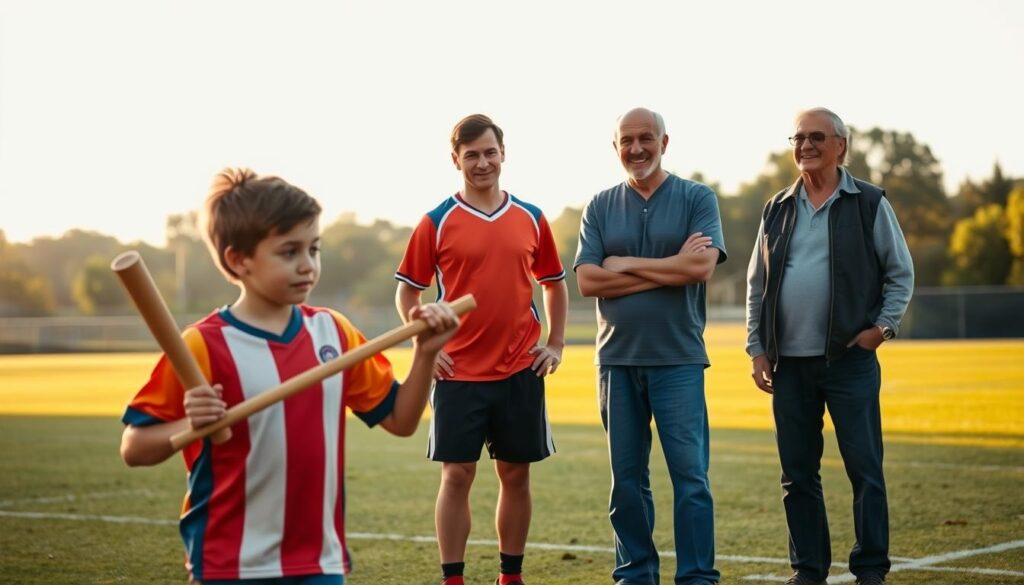
First, the training. Grandpa’s old methods now mix with new tech and sports psychology. It’s about keeping tradition alive while embracing change. Using drones to film practice? It’s smart, not sacrilegious.
Then, there’s the audience. Champions used to be known locally. Now, your brand goes global fast. Social media is key. It humanizes the effort and markets your sporting lineage as a product. This attracts sponsors who want to be part of your story.
Ah, sponsors. Let’s talk money. Supporting athletic dreams is expensive. Equipment, travel, and coaching add up fast. Often, one parent’s income funds the whole family’s sports dreams.
Is this model sustainable? In today’s competitive sports world, can family-centric systems last? The answer is yes, but only through constant adaptation. They treat their legacy as a platform, not a shield. They use their name for access and prove their worth with results.
The peril is obvious: burnout, financial strain, and high expectations. The practicality is in problem-solving. It’s about creating a family LLC, hiring a social media manager, and knowing when to change. The flame is kept alive with logistics, analytics, and a clear view of what legacy costs today.
Lessons Passed Down
Forget about fastballs; Baja’s true legacy is wisdom about life and competition. The family legacy isn’t in trophies. It’s in the way a glance says “strikeout” and the word respeto is spoken. It’s in the unspoken rules of shaking hands after winning.
What’s in the torch? It’s a way of seeing the world. Let’s list the intangible gifts passed down.
The Pedagogy of Losing
In a world that loves winning, Baja’s families teach a different lesson. Losing is more valuable than winning. A win just confirms what you already know. But a loss makes you question everything.
Coaches teach their kids to learn from losing. It’s not about avoiding failure. It’s about using it to get better. Losing builds resilience, a key part of a legacy.
The Anatomy of Orgullo
Orgullo is more than just pride. It’s about honoring your roots and family. It’s not about being arrogant.
Orgullo is quiet and strong. It’s about knowing your family’s name is on your performance. It makes success a team effort, not just personal.
Playing for the Patch
Every athlete here knows they represent more than themselves. They represent their family, community, and Baja. This lesson is taught early.
This changes how athletes compete. It’s not just about winning. It’s about showing the world what your community can do. It makes every game a chance to show respect and pride.
So, what’s the key lesson? It’s a mindset, not just a drill.
- Let losses talk. Learn from them. They show you how to get better.
- Carry your orgullo like a compass, not a megaphone. Let your roots guide you, not your words.
- You are an ambassador. Every action tells a story about your community. Make it a good one.
These are the true treasures. They don’t fade or get lost. They are the heart of a family legacy, passed down with stories and a deep sense of responsibility.
Conclusion: Generations United
The metaphor of passing the torch gains muscle in Baja. It’s not a fragile relay. Instead, it’s a generational forge where legacy is the hottest flame. This creates a powerful counter-narrative to our atomized, free-agent sports world.
In Baja, your history is your most reliable teammate. The stories we’ve traced show this isn’t soft sentiment. It’s a hard competitive edge. The very structure of these “sporting lineages” builds resilience you can’t buy on the open market.
So, what’s the final score? In an era of constant reinvention, Baja’s stubborn commitment to deep “sporting lineages” might be its most radical athletic innovation. It quietly argues that the ultimate victory is continuity itself.
The game here never truly ends. It just pauses, patiently waiting for the next set of hands to shape its future.