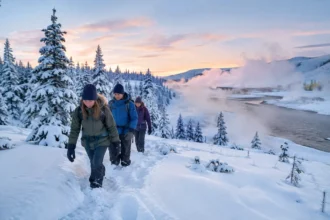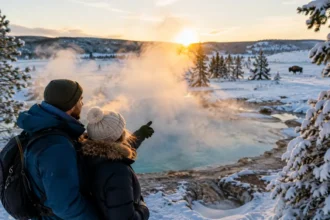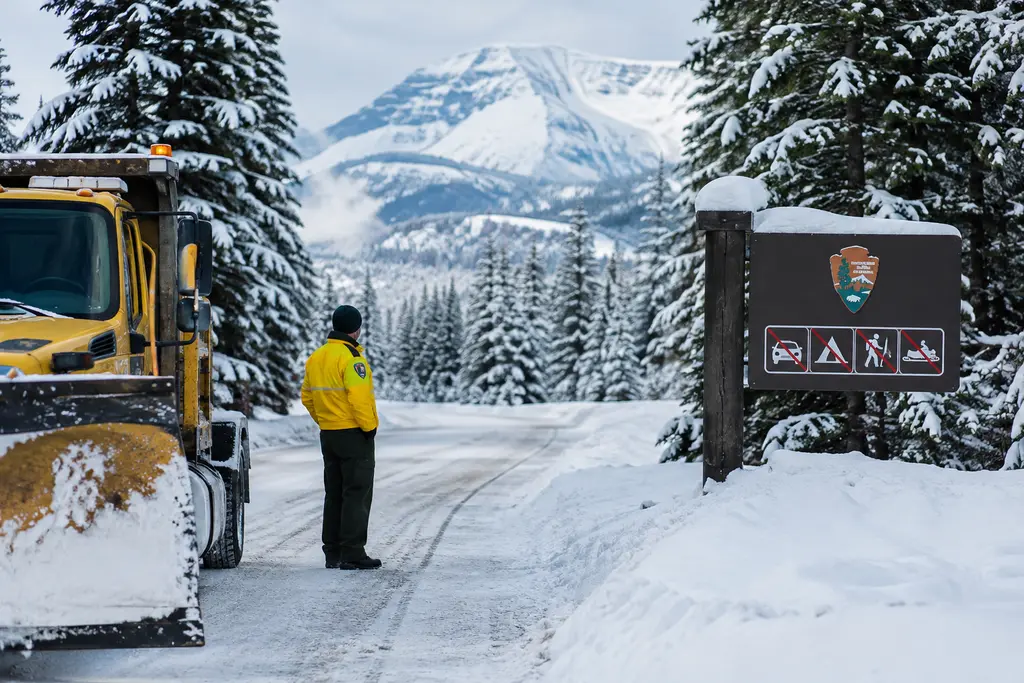
Yellowstone winter services are now in their limited 2026-27 pattern, and travelers planning after November 8, 2026, need to treat access as the first planning question rather than a late detail. The major change already happened on November 1, 2026, when most park roads and the West, South, and East entrances closed to regular vehicle traffic for the winter season. That does not mean Yellowstone is closed, but it does mean a winter visit depends on dates, road status, lodging availability, guided oversnow access, and a careful read of what is reachable by car.
The practical risk is simple: a traveler who builds a trip around summer assumptions can arrive with the wrong vehicle plan, the wrong lodging base, or the wrong expectations for food, visitor centers, and interior park access. The National Park Service said most roads and entrances closed on November 1, while the road from the North Entrance at Gardiner, Montana, through Mammoth Hot Springs, Tower Junction, Lamar Valley, and to Cooke City/Silver Gate remains open to wheeled vehicles all winter, weather permitting, according to the NPS winter road notice.
That northern route is the main car-access framework for the early part of winter. It is also why visitors should separate a northern-range trip from an interior Yellowstone trip. Mammoth, Lamar Valley, and the Cooke City/Silver Gate corridor can still work by road, subject to weather. Old Faithful, Canyon, and Yellowstone Lake are not reachable by regular vehicle during the early-winter gap from November 1 through December 14, 2026, based on the published winter access plan.
Why Yellowstone Winter Services Are Limited
Seasonal Road Closures Set The Trip Shape
Yellowstone winter services are limited because winter travel inside the park is not built around ordinary private-vehicle circulation. Since November 1, 2026, the main interior road system has not been open to regular vehicles. The West, South, and East entrances also closed to regular vehicle traffic on that date. For travelers, that creates two different winter planning periods: the early-winter gap before oversnow travel begins, and the oversnow season that begins on December 15, 2026.
During the early-winter gap, the most realistic park experience is concentrated around the northern road. This can still be a meaningful trip, especially for travelers interested in Mammoth Hot Springs and the northern range. It is not the same as a broad park loop. Anyone expecting to drive from geyser basins to canyon viewpoints to lake areas should revise the plan before committing to lodging or transportation.
Yellowstone Winter Services During The Gap
The November 1 through December 14 period deserves extra attention because it is easy to misread. The park is not closed, but many interior services are either unavailable or not reachable by car. Visitor centers, stores, dining, warming facilities, and ski-related services can be closed or announced later in the season. The research supplied for this planning brief identifies Mammoth’s Albright Visitor Center and general store, plus the post office and clinic, as year-round services, while many other services are reduced or closed.
This gap also affects lodging decisions. Inside the park, winter lodging is reduced to Mammoth Hot Springs Hotel & Cabins and Old Faithful Snow Lodge, with the latter tied to winter operations and dates that should be verified before booking. The supplied research does not provide lodging, tour, or entrance-fee prices, so travelers should not rely on this article for cost estimates. Pricing, deposit rules, cancellation terms, and package details should be checked directly with the lodging or tour operator before payment.
Oversnow Dates Change What Is Reachable
December 15, 2026, Is The Key Access Date
Oversnow travel is the major shift in the winter season. From December 15, 2026, guided snowcoaches and snowmobiles can travel on groomed roads in the park interior, according to the Yellowstone winter travel guide. That is the date when some visitors can begin planning for interior destinations by guided winter transportation rather than ordinary driving.
That access still requires caution. Guided access is not the same as open-road access. Weather, low snow, road grooming, and operational decisions can delay or cancel travel with limited notice. A traveler should confirm the exact route, pickup location, cancellation policy, gear expectations, and return timing with the operator. If the main purpose is Old Faithful or another interior location, the lodging and transportation plan should be tied to confirmed oversnow service rather than a general belief that winter access has started.
March 2027 Closures Are Staggered
The end of oversnow season is also date-specific. The published winter plan lists staged closures in March 2027. Mammoth to Norris is scheduled to close to oversnow travel on March 7, 2027. The West, South, and East entrances and all remaining groomed roads are scheduled to close to oversnow travel on March 15, 2027. Travelers planning late-winter trips should not assume every route remains available until the same final day.
For practical planning, the safest interpretation is to match the desired place with its specific route window. A late-February plan and a March 12 plan may have very different access options. Spring regular-vehicle access is expected to return in stages around mid-April 2027, depending on plowing, but that is outside the winter-service period and should be treated as a separate planning season.
Practical Checks Before Booking
Road Status Should Come Before Lodging
Yellowstone winter services require a road-first approach. Before choosing a room, visitors should decide whether the trip is a northern-road visit, an oversnow interior visit, or a gateway-town stay with limited park entry. The National Park Service road status map, recorded road condition line, and text alerts are essential planning tools because winter conditions can change quickly. The research supplied here lists the recorded road condition line as 307-344-2117 and text alerts by sending 82190 to 888-777.
For travelers comparing date-specific access details, Baja Times has a related planning note on Yellowstone winter access for December 2026. Readers who prefer a broader range of travel insights spanning this publisher network might find further details at The Silver Liners.
Vehicle And Clothing Choices Matter
Winter driving around Yellowstone calls for preparation even on the road that remains open. The research notes recommend snow tires or high-quality all-season tires, chains when required, warm clothing, blankets, first-aid supplies, and a full fuel tank. Those items are not extras in a place where roads can be icy, snow-packed, or affected by whiteout conditions.
- Confirm whether the route you need is open on your exact travel date.
- Separate regular vehicle access from guided snowcoach or snowmobile access.
- Verify lodging, dining, visitor center, and store availability before payment.
- Carry winter driving supplies, warm layers, food, water, and a first-aid kit.
- Check weather and road alerts again on the day of travel.
Cell service and staffed facilities should also be treated as limited. A phone-based plan is weaker than a printed or saved route, a clear fuel strategy, and a realistic turnaround point. Travelers should avoid building tight same-day connections around winter park travel unless each segment has been confirmed close to departure.
How To Plan A Realistic Winter Visit
Match The Experience To The Season
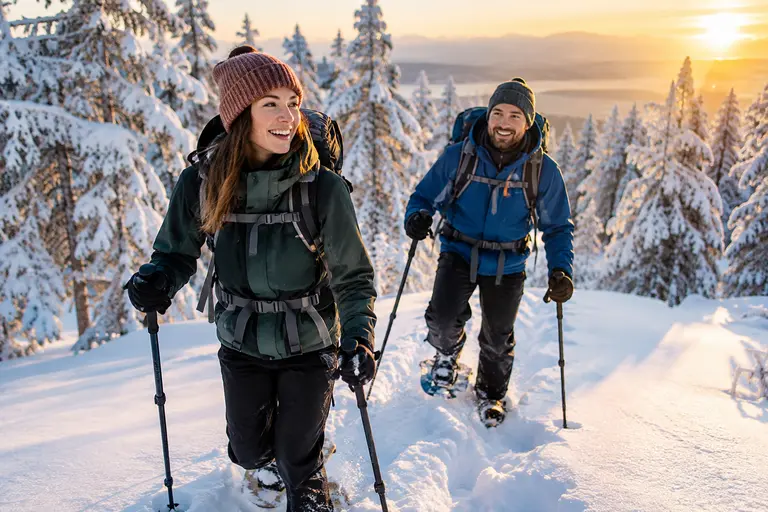
A strong winter plan starts with choosing the right kind of trip. If the priority is wildlife viewing along the northern range, a Gardiner, Mammoth, Lamar Valley, or Cooke City/Silver Gate plan may fit the access pattern better than an interior geyser trip. If the priority is Old Faithful or other interior features, the plan should be tied to the oversnow season beginning December 15, 2026, and to confirmed guided transportation.
Average winter temperatures in the research notes are severe, with highs listed around 20 to 30 degrees Fahrenheit and lows around 0 to 9 degrees Fahrenheit. That level of cold changes ordinary travel behavior. Short walks, photography stops, wildlife viewing, and roadside delays all require warmer clothing than many visitors use for shoulder-season trips.
Build In Flexibility Without Treating Access As Certain
Yellowstone winter services can support a memorable trip, but they reward conservative planning. Book with clear cancellation rules where possible. Avoid assuming that one road update will remain valid for several days. Treat guided tour timing, lodging meals, fuel, and emergency supplies as connected parts of the same plan.
This is especially true for visitors arriving before December 15, 2026. During that period, the interior park is not available by regular vehicle, and many services are reduced. A trip can still work well if it is framed around the northern corridor, winter scenery, cold-weather readiness, and realistic daily distances.
Yellowstone Winter Services For Realistic 2026-27 Trips
Key Takeaway For Travelers
Yellowstone winter services in 2026-27 are best understood as limited, date-sensitive, and weather-dependent. The November 1 road and entrance closures have already taken effect. The northern road remains the main wheeled-vehicle route, weather permitting. Guided oversnow access is scheduled to begin on December 15, 2026, then close in stages from March 7 to March 15, 2027.
Travelers who plan around those facts can still create a sound winter visit. The strongest plans start with access, then confirm lodging, dining, transportation, gear, and backup options. The weakest plans start with a summer map and assume winter will work the same way. In Yellowstone, winter is not only a colder version of peak-season travel; it is a different access system with fewer services and less room for guesswork.