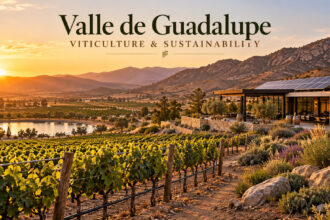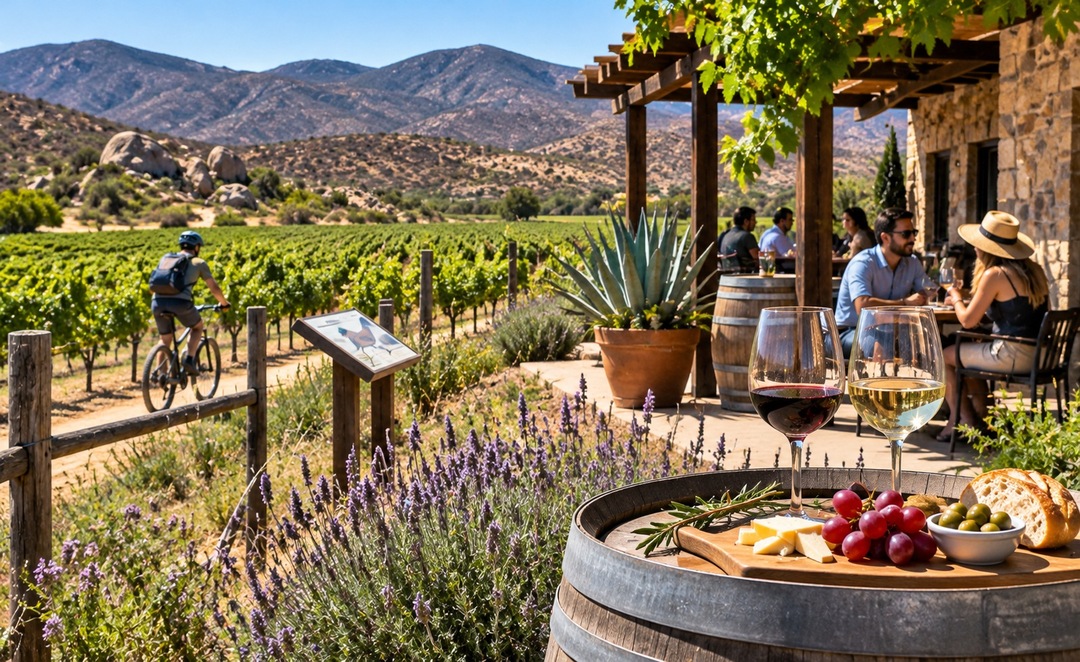
Over the past two decades, the rugged alluvial plains of the Valle de Guadalupe have transformed from a quiet agricultural enclave into Mexico’s undisputed viticultural epicenter. Producing nearly three-quarters of the nation’s commercial wine, the valley just east of Ensenada has captured global attention with its avant-garde boutique wineries, design-forward boutique hotels, and internationally celebrated farm-to-table cuisine. Yet that very triumph has brought the region to a critical crossroads. As tourism numbers swell alongside commercial real estate development, local winemakers, ejidatarios, and regional authorities are navigating the delicate balance between flourishing hospitality revenues and the ecological carrying capacity of a fragile semi-arid microclimate.
The core challenge confronting northern Baja California’s coastal valleys is not a lack of enthusiasm, but the finite nature of critical natural resources. Groundwater extraction rates, escalating municipal waste demands, and unchecked sprawl have prompted civic coalitions to take action. Through grassroots agricultural defense councils and collaborative initiatives covered in regional reporting by the Baja Times, the community has pushed regional leaders to protect the valley’s pastoral identity. The resulting movement is quietly reshaping the future of tourism in Baja California, replacing unchecked expansion with stewardship-driven regenerative tourism.
Water Security and the Hydrogeological Reality
At the center of every conversation regarding the future of the Valle de Guadalupe is the Guadalupe River aquifer. Viticulture in this Mediterranean-like microclimate—characterized by warm, dry summers and mild, wet winters—relies on sub-surface water reserves that receive intermittent replenishment from seasonal rains falling on the Sierra de Juárez. Over the past decade, extended drought patterns across the North American southwest have strained these underground aquifers, while the proliferation of high-density tourism facilities, resort swimming pools, and residential housing complexes has accelerated drawdown rates.
Hydrological assessments by Mexico’s National Water Commission, CONAGUA, have repeatedly stressed the importance of regulated extraction across Ensenada municipality’s agricultural zones. In response, long-standing winemakers have adopted precision viticulture techniques that minimize agricultural runoff while drastically cutting water application per vine. Drip irrigation systems guided by subsoil moisture probes, night watering schedules to limit evaporative loss, and the cultivation of drought-resilient rootstocks are increasingly standard across both historic properties and modern developments.
Zoning Legislation and the Battle Against Urbanization
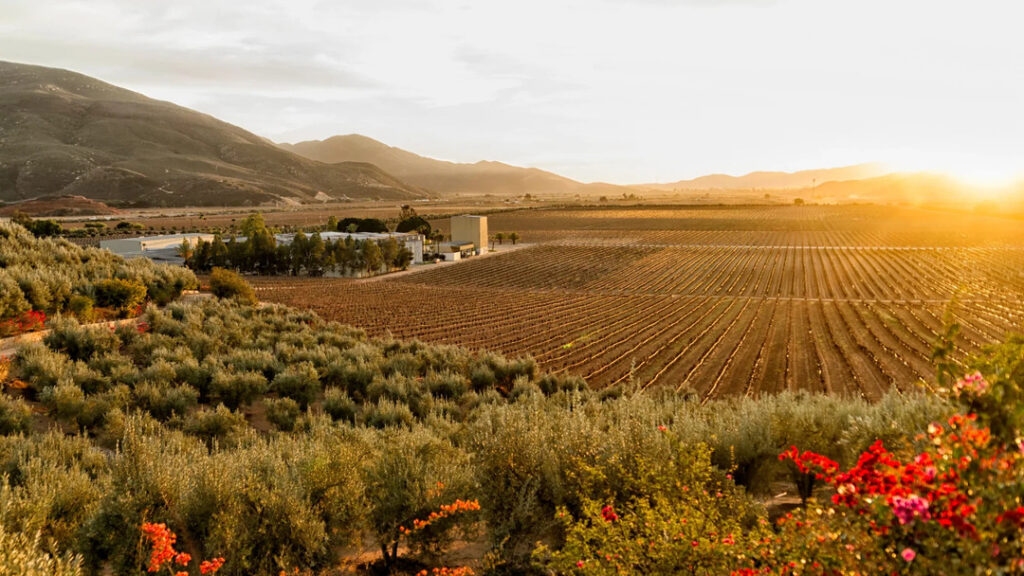
Beyond water consumption, the physical fabric of the valley has faced unprecedented commercial pressure. The pastoral appeal of dirt roads lined with olive groves and century-old coast live oaks became vulnerable to commercial projects, including large-scale amphitheaters, non-native architectural developments, and nightlife venues ill-suited for rural zoning. These developments sparked fierce protests from both multi-generational agriculturalists and newer vintners concerned that nightlife noise and urban density would erode the agricultural heritage that makes Baja wine world-renowned.
The municipal administration of Ensenada and the State Government of Baja California, working alongside industry organizations like the Comité Provino de Baja California, intervened by drafting and refining regional master plans. Known locally as the Sectoral Program for the Urban-Tourist Development of the Wine Valleys (POVT), these zoning frameworks delineate specific agricultural reserves, restrict building heights, cap impervious ground surface ratios, and outlaw disruptive nightlife licenses. Preserving contiguous vineyard acreage is no longer seen as merely aesthetic—it is a regulatory prerequisite for maintaining local climatic cooling and soil moisture retention.
| Conservation Initiative | Lead Stakeholders | Primary Objective | Key Implementation Action |
| Water Reclamation & Recharge | Ejido El Porvenir, State Utilities | Stabilize aquifer table levels | Construct localized bio-filtration and tertiary treated wastewater channels |
| POVT Zoning Enforcement | Ensenada City Council, Provino | Halt rural sprawl and industrial nightlife | Impose agricultural land caps, building footprint limits, and sound ordinances |
| Baja Terra Regenerative Viticulture | Regional Vintners, Research Bodies | Soil vitality and carbon sequestration | Deploy cover cropping, biochar integration, and native biodiversity corridors |
| Zero-Waste Hospitality Standard | Local Restaurateurs, Tourism Ministry | Eliminate municipal landfill pressure | Mandate glass recycling, composting of organic waste, and solar adoption |
Architectural Innovation and Low-Impact Hospitality
As regulatory frameworks mature, the hospitality sector in the valley is undergoing an architectural evolution. Rather than importing sprawling Mediterranean or suburban mega-resort designs, leading architects and hoteliers in Baja California are pioneering low-impact, contextual architecture. Structures made of rammed earth, repurposed shipping containers, local volcanic tufa stone, and weathered steel are designed to blend seamlessly into the undulating terrain, minimizing thermal gain and cutting structural reliance on artificial climate control.
This design philosophy extends into day-to-day operations. Properties are integrating off-grid photovoltaic energy systems and comprehensive greywater treatment facilities that filter sink and shower runoff for irrigating non-edible landscaping and windbreak olive trees. Forward-thinking hospitality operators recognize that modern travelers visiting the valley are increasingly conscious of their ecological footprint, actively seeking accommodations that offer authenticity without environmental compromise.
Viticultural Adaptation in the Vineyard
Inside the vineyards themselves, winemakers are reevaluating varietal selections to prepare for a warming regional climate. While international varieties such as Cabernet Sauvignon, Merlot, and Chardonnay established Baja’s commercial footprint in the late twentieth century, viticulturists are pivoting toward grape varieties originating from the warmer, arid regions of Southern Europe, the Mediterranean basin, and the Iberian Peninsula. Grenache, Mourvèdre, Tempranillo, Carignan, and Nebbiolo have shown remarkable resilience to elevated temperatures and moderate salinity in irrigation water.
- Targeted Cover Cropping: Sowing native legumes and winter grasses between vine rows prevents soil erosion during sudden downpours and replenishes essential nitrogen without synthetic fertilizers.
- Canopy Shading Strategies: Adjusting trellising systems to allow fuller leaf shade shields developing grape clusters from intense afternoon sun, preserving delicate natural acidity.
- Composting Pomace and Stems: Returning pressed grape skins, seeds, and vine prunings to the soil increases organic matter, directly enhancing the vineyard’s water-holding capacity.
- Biological Pest Controls: Introducing raptor perches for native owls and hawks mitigates rodent populations without relying on rodenticides that disrupt local food chains.
Gastronomy Anchored in Seasonal Integrity
Parallel to the vineyard evolution is the valley’s famed culinary movement, celebrated as Baja Med cuisine. Originating through culinary pioneers who married indigenous ingredients with Mediterranean techniques, valley restaurants have institutionalized hyper-local sourcing. Menus change on a weekly or daily basis, dictated strictly by morning harvests from on-site raised beds, olive oils milled from adjacent orchards, and seafood delivered straight from artisanal fishermen operating out of Ensenada harbor and the Pacific coast.
The state’s tourism ministry, Baja California Tourism, has championed this culinary identity as a benchmark for sustainable cultural gastronomy. By steering economic demand directly toward local organic growers, heritage cheesemakers in the Ojos Negros valley, and sustainable abalone and oyster cultivators along San Quintín, culinary tourism provides an indispensable economic justification for preserving rural livelihoods against speculative real estate pressures.
A Blueprint for Baja California’s Agricultural Future
The lessons unfolding across the Valle de Guadalupe carry profound implications that extend far beyond wine country borders. From Tecate’s oak-lined valleys down to the coastal farming plains of San Quintín, agricultural regions across the Baja peninsula face converging pressures of urbanization, tourism appeal, and water scarcity. Valle de Guadalupe is serving as a living laboratory for how emerging culinary destinations can maintain cultural authenticity without sacrificing economic vitality.
By pairing rigorous community zoning enforcement with cutting-edge agro-ecological practices and low-impact hospitality, Baja’s premier wine region is demonstrating that preservation and prosperity are not mutually exclusive. The continued success of the valley will not be measured merely in the volume of cases bottled or the tally of weekend hotel check-ins, but in the long-term health of its aquifer, the continuity of its agricultural soil, and the preservation of its distinct rural character for generations to come.