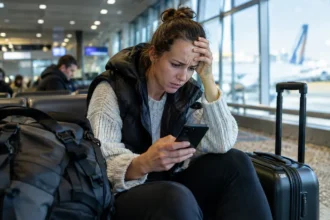
Labor Day Travel for September 3–7, 2026, is shaping up as a costlier and more time-sensitive holiday period for many U.S. travelers. AAA’s holiday data points to higher domestic airfare, more expensive hotel bookings, and heavy road congestion during the main outbound windows on Thursday, September 3, and Friday, September 4. The useful planning lesson is not that every trip will be overpriced. It is that travelers should compare the full trip cost, not just the headline airfare or nightly hotel rate.
For budget travelers, the holiday weekend requires a practical reading of timing and access. A cheaper flight that lands late on Friday may save money but add ground-transport stress. A slightly cheaper hotel far from a national park, beach town, city center, or cruise terminal may shift the cost into fuel, rideshares, parking, or lost time. If you are still adjusting plans, treat the holiday as a set of trade-offs rather than a single booking problem.
AAA reported that domestic round-trip flights for the 2026 Labor Day weekend average about $750, roughly 2% higher than the same holiday period in 2025, according to its Labor Day travel report. That figure is an average, so individual routes can move well above or below it depending on departure city, arrival city, schedule, and remaining seat availability.
Labor Day Travel Costs To Watch
Labor Day Travel Flight Prices
The clearest pressure point is domestic airfare. AAA’s Northeast travel trends report says flights to top domestic destinations are nearly 20% more expensive than in 2025, averaging about $790. The destinations named in that report are Seattle, Orlando, Boston, Denver, and New York. The same AAA report says international round-trip flights average about $1,240, which is about 4% cheaper than Labor Day 2025, and that domestic hotel bookings through AAA average $570, up 9%, while international hotel bookings average $690, up 12%, based on its 2026 holiday travel trends.
Those numbers suggest a split market. Domestic weekend travel is not uniformly expensive, but the most in-demand U.S. city routes have less room for bargain hunting. International airfare, at least by AAA’s reported average, may look more favorable than domestic airfare on a year-over-year basis. That does not mean an international trip is automatically cheaper. Passports, airport transfers, longer hotel stays, baggage rules, meals, local transport, and exchange rates can change the full cost.
Hotel Costs And Stay Length
Hotel averages also need careful reading. AAA’s domestic hotel booking figure is a multi-night booking average, not a promise that rooms will cost the same across all cities or all property types. A family staying near a beach, national park gateway, airport, or downtown event area may face a very different rate than a couple booking a suburban property. International hotel bookings are also higher than in 2025, so travelers who see cheaper airfare abroad should still price the stay before committing.
For travelers trying to hold down costs, the key is to compare total lodging value. A lower nightly rate may not be useful if the property adds high parking charges, requires long drives, or sits far from the place you plan to spend most of the day. That makes Labor Day Travel planning more similar to a road-trip budget than a simple hotel search.
Peak Traffic Windows For September 3 And 4
Outbound Road Traffic
The heaviest road pressure is expected before the long weekend is fully underway. AAA’s reported worst travel window is Thursday, September 3, from about 2 p.m. to 7 p.m., followed by Friday, September 4, from noon to about 8 p.m. Those windows line up with a difficult overlap: work departures, airport runs, school-related schedules in some areas, last-minute shopping, and travelers trying to reach beaches, lakes, cities, parks, and family homes before nightfall.
The practical move is to leave earlier in the day if your schedule allows. A very early departure will not remove all delays, especially near major metro areas, bridges, tunnels, toll plazas, mountain corridors, or coastal approaches. It can, however, reduce exposure to the most crowded afternoon and evening periods identified by AAA. If you cannot leave early, plan for a slower trip and avoid tight dinner reservations, campsite check-in assumptions, or airport arrival margins that depend on normal traffic.
Airport And Ground Transport Timing
Air travelers should also think beyond the flight. A flight booked for Friday afternoon may carry a lower fare than a more convenient option, but the trip to the airport may fall inside the reported noon-to-8 p.m. road congestion window. That can raise the risk of expensive parking choices, longer rideshare waits, or a missed bag-check cutoff. Travelers who book early morning flights should also confirm hotel shuttle timing, rideshare availability, and airport parking capacity before departure day.
For regional context on travel and transportation coverage, readers might consider visiting California travel coverage. The local details matter because Labor Day weekend conditions can vary sharply between interstate corridors, airport access roads, resort towns, and city neighborhoods.
Budget Choices That Still Have Trade-Offs

Where Savings May Be Real
Travelers looking for value should start by separating fixed costs from flexible ones. Airfare and hotels may already be set for many people by September 1, 2026, but departure time, meal planning, parking choice, baggage selection, and route timing may still be adjustable. If you are booking late, compare nearby airports, but include the cost and time of reaching them. A fare that is $60 cheaper may not save money if it requires an extra hotel night, a long rideshare, or paid parking at both ends.
International airfare being lower on average than in 2025 is worth noticing, but it is not a broad recommendation to switch every trip abroad. Labor Day weekend is short for many travelers. A longer international flight can consume much of the break unless you have extra vacation days around September 3–7. Travelers who already planned a longer trip may benefit more from that airfare pattern than those trying to turn the holiday into a quick escape.
What To Recheck Before Booking
Before paying for a late booking, review the parts of the trip that can change after purchase. Hotel cancellation rules, flight change fees or credits, baggage charges, parking fees, resort fees, and local transport can all shift the real price. For road trips, the planning challenge is similar to other peak weekends: fuel stops, weather, traffic, and lodging flexibility can affect the budget. BajaTimes has also covered practical preparation for fuel and storm pressure during spring break travel, and the same cost-checking habit applies to holiday weekends.
- Price the full trip, including airport transfers, parking, bags, meals, and local transport.
- Avoid building plans around the Thursday 2–7 p.m. and Friday noon–8 p.m. road windows if possible.
- Check whether a cheaper hotel adds time, tolls, fuel use, or parking costs.
- Confirm cancellation terms before choosing a prepaid rate.
- Leave wider margins for airport arrivals and long-distance drives.
The goal is not to eliminate every inconvenience. On a major holiday weekend, that is unlikely. The goal is to avoid paying twice: first through higher booking costs, then again through rushed decisions caused by traffic, late arrivals, or poor route planning.
Labor Day Travel Cost And Traffic Plan
A Practical Plan For September 3–7
The best Labor Day Travel plan for 2026 starts with the known pressure points. Domestic airfare is higher on average than in 2025, top U.S. destination flights are sharply higher by AAA’s reported figures, and domestic hotel bookings through AAA cost more than last year. Road congestion is expected to be most difficult on Thursday afternoon and Friday from midday into the evening.
If you have already booked, the most useful work now is operational. Reconfirm flight times, hotel arrival rules, rental or parking plans, and how long it will take to reach the airport or highway before the peak traffic window begins. If you are driving, build a route that allows for rest stops and avoids the most crowded departure periods where possible. If you are flying, treat the trip to the airport as part of the holiday travel day, not a normal commute.
If you have not booked, be cautious with any deal that looks good only at first glance. A cheaper international fare may still require a longer stay. A lower hotel rate may sit far from the reason you are traveling. A late Friday departure may place you in the worst road window. Clear budgeting means asking what each saving costs in time, stress, and backup options.
For September 3–7, 2026, the strongest approach is simple: price the whole trip, leave earlier where possible, keep arrival plans flexible, and check the latest traffic and carrier information before leaving home. That will not make the holiday cheap for everyone, but it can help travelers avoid the most predictable cost and timing mistakes.