Some destinations are best experienced not through landmarks alone, but through the moments when entire communities gather in celebration. Cultural festivals transform cities and villages into living expressions of history, identity, and tradition. Streets become stages. Food becomes ritual. Music becomes memory.
For travelers seeking immersion rather than observation, planning a trip around a major cultural festival offers an unmatched way to understand a place. Below are several global festivals that justify building an itinerary around their dates.
Why Festivals Create Deeper Travel Experiences
Unlike static attractions, festivals compress centuries of tradition into concentrated days of celebration. They reveal:
- Religious heritage and spiritual practices
- Regional cuisine and ceremonial foods
- Traditional music, dance, and dress
- Community values and storytelling
Because festivals follow fixed annual calendars, strategic planning is essential. Accommodations often book months in advance, and pricing may fluctuate based on demand.
Official cultural tourism resources such as UNESCO’s Intangible Cultural Heritage listings provide insight into festivals recognized for their historical significance.
Day Of The Dead, Mexico
Observed primarily on November 1 and 2, Día de los Muertos is a vibrant commemoration honoring departed loved ones. Contrary to common misconceptions, the festival is not somber. It is reflective, colorful, and deeply communal.
Altars (ofrendas) filled with marigolds, candles, and photographs appear in homes and public squares. Bakeries produce pan de muerto, and families gather in cemeteries to celebrate remembrance.
While Oaxaca and Mexico City attract international visitors, smaller towns often provide more intimate experiences rooted in local tradition.
Best Planning Window:
Book accommodations by late summer for November travel.
Carnival In Rio De Janeiro, Brazil
Few events rival the scale of Rio’s Carnival. Held annually before Lent, the celebration combines samba parades, elaborate costumes, and neighborhood street parties known as blocos.
The Sambadrome parade is the centerpiece, but much of Carnival’s energy unfolds organically throughout the city.
Carnival is not merely spectacle — it reflects Brazil’s Afro-Caribbean heritage, musical innovation, and artistic expression. Because the festival falls just before Brazil’s peak travel surge, strategic timing can make a significant difference in both availability and pricing. Travelers looking to balance high-profile events with refined accommodations may benefit from understanding how to find luxury travel experiences at off-season prices, especially when extending their stay beyond the core festival dates.
Best Planning Window:
Secure tickets and lodging at least six months in advance.
Cherry Blossom Season, Japan
Japan’s sakura season, typically occurring between late March and early April, transforms parks and city streets into soft pink corridors. While technically a natural event rather than a traditional festival, hanami — the practice of gathering beneath blooming cherry trees — carries centuries of cultural meaning.
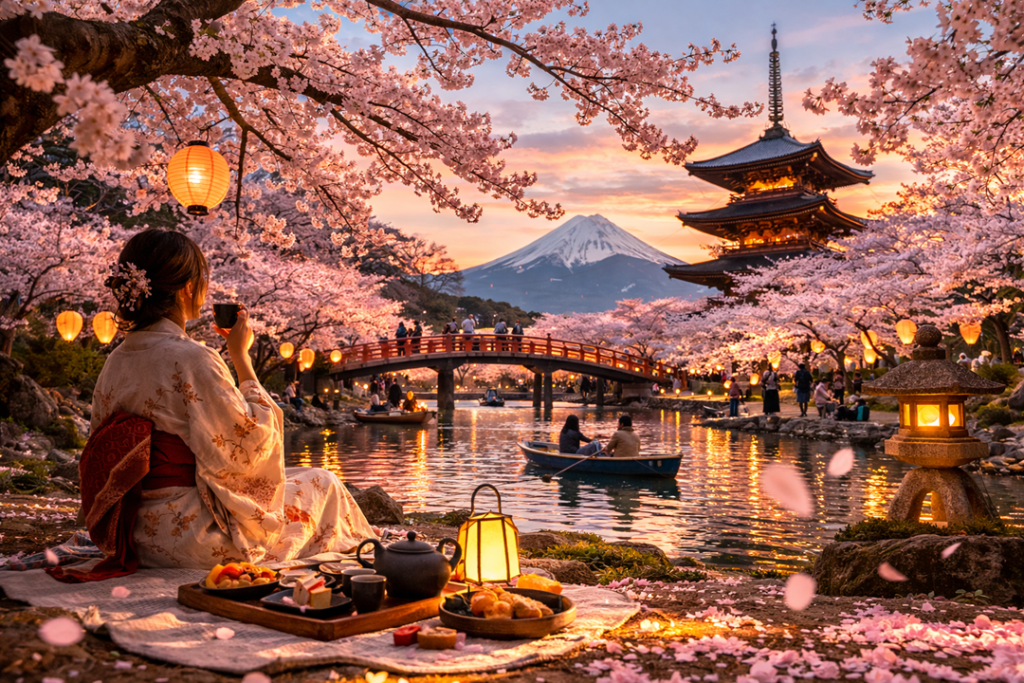
Families and friends picnic beneath blossoms, marking renewal and the fleeting nature of beauty.
Cities like Kyoto and Tokyo attract global visitors, but regional destinations often offer equally striking displays with fewer crowds.
Best Planning Window:
Monitor bloom forecasts released early each year, as timing varies by region.
La Tomatina, Spain
Held in the town of Buñol each August, La Tomatina is one of Europe’s most unconventional festivals. Participants engage in a large-scale tomato fight that lasts roughly one hour.
While playful in nature, the event reflects Spain’s tradition of communal street celebrations and agricultural heritage.
Due to capacity limits, advance ticket purchase is mandatory.
Best Planning Window:
Reserve accommodations in Valencia or nearby towns several months ahead.
Diwali, India
Known as the Festival of Lights, Diwali is celebrated across India and among Indian communities worldwide. The festival symbolizes the triumph of light over darkness and good over evil.
Homes are illuminated with oil lamps and candles, fireworks fill the sky, and families exchange sweets and gifts.
Because Diwali follows the lunar calendar, dates shift annually, typically falling between October and November.
Best Planning Window:
Confirm festival dates early and book centrally located accommodations to participate fully in evening celebrations.
Comparing Global Cultural Festivals
| Festival | Country | Typical Month | Cultural Focus |
|---|---|---|---|
| Day of the Dead | Mexico | November | Ancestral remembrance |
| Carnival | Brazil | February/March | Music, parade, samba |
| Cherry Blossom Season | Japan | March/April | Renewal, nature |
| La Tomatina | Spain | August | Community celebration |
| Diwali | India | October/November | Light, spiritual triumph |
Each festival reveals a different dimension of national identity, from solemn reflection to exuberant celebration.
Planning Logistics Around Major Events
Festival travel requires additional preparation:
- Secure accommodations well in advance
- Research official event schedules
- Confirm ticket requirements
- Plan for crowd management
- Build buffer days around core celebrations

Weather patterns also influence festival conditions. For example, coastal regions celebrating cultural events may align with favorable seasonal climates. Travelers combining cultural immersion with coastal exploration may find inspiration in our guide to the best swimmable beaches in Baja California Sur when pairing festival dates with seaside relaxation.
Cultural Sensitivity And Responsible Participation
Festivals are not performances staged solely for tourism. They are lived traditions.
Visitors should:
- Dress appropriately for religious or sacred settings
- Respect photography boundaries
- Follow local customs
- Support local artisans and food vendors
Approaching festivals with humility enhances the experience for both travelers and host communities.
Traveling With Intention
Planning a trip around a cultural festival shifts travel from passive sightseeing to active participation. Rather than observing a destination at rest, visitors encounter it at its most expressive moment.
Music echoes through streets. Families gather in shared ritual. Food carries symbolic meaning. And for a brief period each year, tradition becomes visible in motion.
For travelers seeking connection rather than consumption, cultural festivals offer one of the most powerful ways to experience the world. Many of these celebrations are formally recognized for their cultural significance through UNESCO’s Intangible Cultural Heritage program, which highlights traditions preserved across generations and provides valuable context for travelers seeking a deeper understanding of local customs.