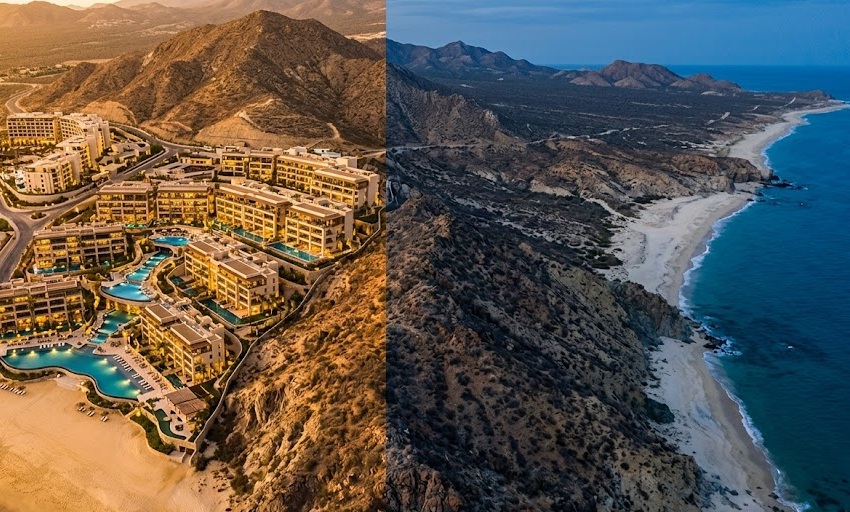
Los Cabos is in the middle of one of the most aggressive luxury hotel expansions in Mexico. As of 2026, major global brands—including Four Seasons, St. Regis, Park Hyatt, and Aman—are either opening new properties or actively developing projects along the Baja California Sur coastline.
This surge is not случайный. It reflects a deliberate positioning of Cabo as a high-end, experience-driven destination capable of competing with global luxury markets like Hawaii, the Caribbean, and even parts of the Mediterranean.
According to industry projections, thousands of new luxury rooms are expected to come online between 2025 and 2028, particularly along the Tourist Corridor and East Cape, transforming the physical and economic landscape of the region.
Why Global Hotel Brands Are Betting On Cabo
The appeal of Los Cabos for luxury developers lies in a rare combination of geographic, economic, and market-driven advantages.

First, the destination offers consistent demand from affluent travelers, particularly from the United States and Canada. Second, it benefits from strong air connectivity, with direct flights from major cities that make Cabo one of the most accessible international destinations in Mexico.
Equally important is the region’s ability to deliver high-margin experiences. Luxury resorts in Cabo are not just selling rooms—they are selling privacy, curated dining, wellness, and exclusive access to the Sea of Cortez.
This combination has turned Los Cabos into a magnet for investment, with developers confident that the market can absorb higher price points.
Where New Development Is Happening
While Cabo San Lucas and San José del Cabo remain central, much of the new expansion is happening in emerging zones that offer space and exclusivity.
Key development areas include:
| Area | Development Focus | Why It Matters |
|---|---|---|
| East Cape | Ultra-luxury resorts and private villas | Less crowded, high exclusivity |
| Tourist Corridor | Expansion of established brands | Strong infrastructure and access |
| San José Del Cabo | Boutique luxury and cultural integration | Blends authenticity with premium travel |
These zones allow developers to create destination-within-a-destination experiences, where guests rarely need to leave the property.
The Economics Behind The Boom
Luxury tourism operates on a different economic model than mass tourism. Instead of maximizing visitor numbers, the focus is on increasing spending per traveler.
In Los Cabos, this strategy is clearly visible. Average daily rates (ADR) for luxury hotels have climbed significantly, often exceeding $700–$1,200 per night in peak seasons.
This model benefits:
- Developers, through higher returns per property
- Local governments, through increased tax revenue
- Tourism operators, through premium service offerings
However, it also raises an important question: how much luxury supply can the market realistically sustain?
Signs Of Potential Market Saturation
While demand remains strong, there are early indicators that Cabo’s rapid expansion could face limits.
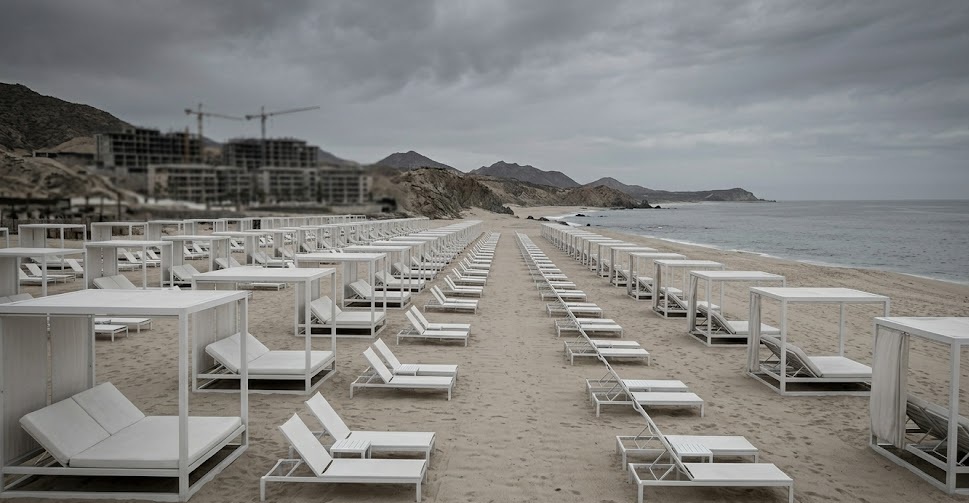
As more properties open, competition for high-spending travelers intensifies. This can lead to:
- Increased pressure on pricing strategies
- Greater reliance on international marketing
- The need for constant differentiation between resorts
Unlike earlier phases of growth, today’s luxury traveler has more options—not just within Cabo, but globally.
Destinations like Punta Mita, Riviera Maya, and Caribbean islands are all competing for the same audience, which means Cabo must continue evolving to maintain its edge.
Infrastructure And Environmental Pressure
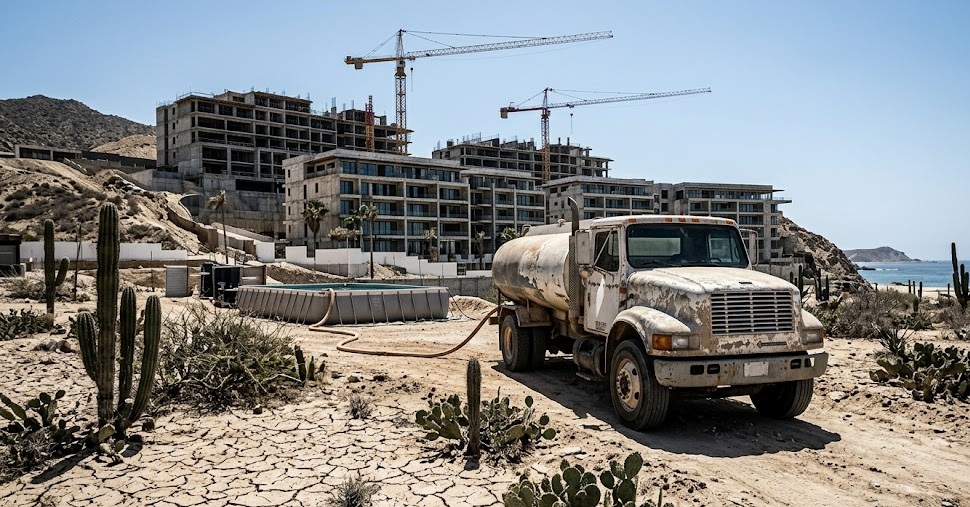
The expansion of luxury tourism also places pressure on local infrastructure and natural resources.
Water supply, energy demand, and coastal development are becoming increasingly important considerations. Baja California Sur is already navigating water scarcity challenges, particularly in areas like La Paz, and similar pressures could extend into Los Cabos as development accelerates.
At the same time, preserving the natural environment is critical to maintaining Cabo’s appeal. The region’s beaches, marine life, and desert landscapes are not just assets—they are the foundation of its tourism economy.
For travelers interested in how sustainability is shaping the region, this guide to Sea of Cortez eco-tourism trends highlights the growing importance of conservation alongside development.
How Cabo Is Trying To Balance Growth And Sustainability
Authorities and developers are increasingly aware that unchecked growth could undermine long-term success.
Efforts to balance expansion include:
- Stricter environmental regulations for new projects
- Investment in desalination and water infrastructure
- Integration of sustainability practices within luxury resorts
Many new properties are positioning themselves as eco-conscious luxury, combining high-end amenities with reduced environmental impact.
According to the World Travel & Tourism Council sustainability research, destinations that align growth with environmental responsibility are more likely to remain competitive in the long term.
What This Means For Travelers In 2026 And Beyond
For travelers, the expansion of luxury hotels in Cabo translates into more choice—but also a more complex landscape.
On one hand, visitors benefit from:
- New, high-quality accommodations
- Innovative dining and wellness experiences
- Greater availability during peak seasons
On the other hand, the shift toward luxury can make the destination feel less accessible for budget travelers, particularly in prime areas.
This evolving dynamic means that Cabo is becoming increasingly segmented, catering to different types of travelers depending on location, timing, and budget.
Can Cabo Sustain Its Luxury Momentum?
The answer depends on how effectively the region manages its growth.
Cabo’s fundamentals remain strong—geography, accessibility, and brand recognition all support continued demand. However, sustaining the luxury boom will require:
- Strategic development pacing
- Continued investment in infrastructure
- A strong commitment to environmental protection
If these elements align, Cabo can maintain its position as one of the leading luxury destinations in the Americas.
A Destination At A Turning Point
Los Cabos is no longer just growing—it is evolving.
The current wave of luxury development represents a defining moment for Baja California Sur. It offers the opportunity to elevate the region’s global standing, but also introduces risks that must be carefully managed.
For travelers, this means experiencing a destination that is becoming more refined, more curated, and more competitive on the world stage.
Cabo’s future will not be determined solely by how much it builds—but by how intelligently it grows.