Traveling to Baja California Sur in 2026 is noticeably more expensive than it was just a few years ago. From accommodations in Los Cabos to dining in La Paz, prices have climbed steadily—driven by demand, infrastructure investment, and a strategic shift toward higher-value tourism.
One of the most visible changes is the increase in the international visitor tax (often referred to as the “Embrace It” tax), which rose to approximately $488 MXN (around $25 USD) in 2026. Combined with rising hotel rates and service costs, the overall price of a Baja trip has moved upward across nearly every category.
Yet despite these increases, visitor numbers remain strong. Baja is not losing momentum—it is redefining who travels there and why.
Why Prices Are Increasing Across Baja California Sur
Several forces are driving the rise in travel costs, and they extend beyond simple inflation.
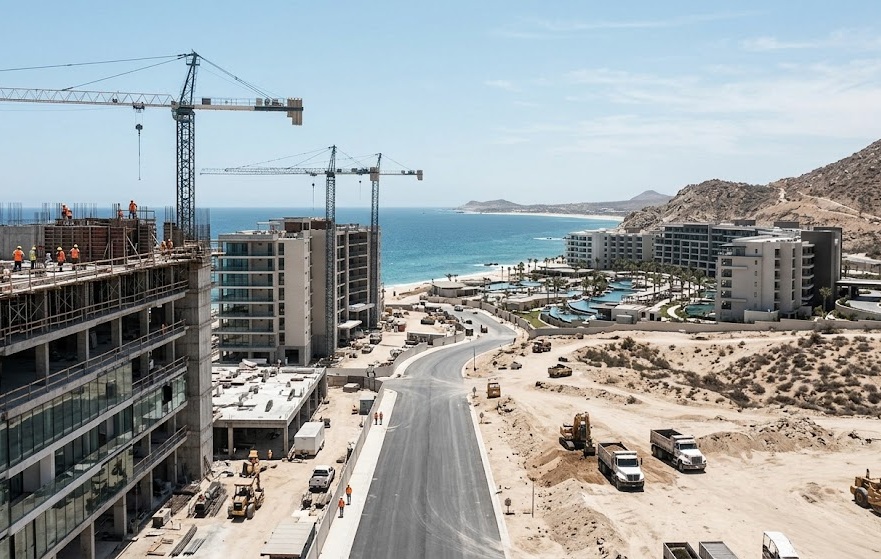
First, Baja has experienced a sustained surge in tourism demand, particularly since 2020. Los Cabos alone has consistently ranked among Mexico’s top-performing destinations, attracting both domestic and international travelers seeking safety, natural beauty, and premium experiences.
Second, the region is investing heavily in infrastructure. This includes:
- Airport expansions and modernization
- Road improvements connecting key destinations
- Tourism-focused services and digital systems
Finally, there is a deliberate shift in strategy. Baja California Sur is increasingly positioning itself as a premium destination, focusing on quality over volume. This approach naturally leads to higher prices, but also aims to create a more sustainable tourism model.
How Much More Expensive Is Baja In 2026?
While costs vary depending on travel style, the increase is measurable across key categories.
| Travel Expense | 2022 Average | 2026 Average |
|---|---|---|
| Hotel (Mid-Range, Los Cabos) | $120–$180/night | $180–$280/night |
| Luxury Resorts | $300–$600/night | $500–$900+/night |
| Dining (Per Person) | $15–$30 | $25–$50 |
| Tourist Tax | ~$350 MXN | ~$488 MXN |
| Tours & Activities | $50–$120 | $80–$180 |
These increases reflect both inflation and a broader repositioning of Baja within the global tourism market.
Why Travelers Are Still Choosing Baja
Despite rising costs, demand has not slowed. In fact, Baja continues to attract travelers at a consistent pace.
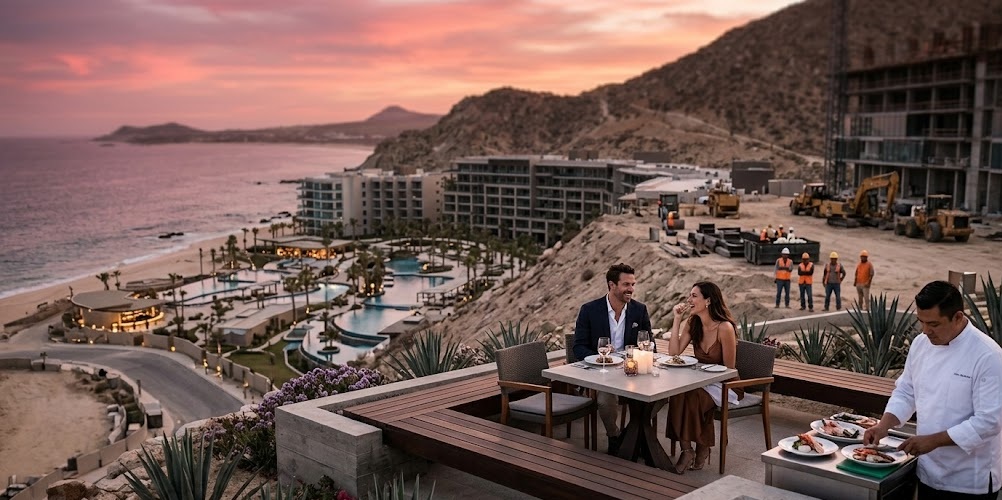
One of the main reasons is perceived value. Visitors are not just paying for a destination—they are paying for an experience that combines:
- Unique marine ecosystems like the Sea of Cortez
- High-quality dining and Baja Med cuisine
- Safety and accessibility compared to other destinations
Another factor is exclusivity. As prices rise, Baja becomes less crowded in certain segments, appealing to travelers who prioritize space, service, and curated experiences.
For those exploring the region’s natural side, this guide to Sea of Cortez eco-tourism experiences highlights why the destination continues to deliver strong value beyond its price tag.
The Shift Toward High-Value Tourism
Baja California Sur’s strategy is increasingly aligned with what tourism experts call high-value, low-impact travel.
Instead of maximizing visitor numbers, the region is focusing on:
- Travelers who spend more per trip
- Experiences that generate higher economic return
- Sustainable growth that minimizes environmental strain
This shift explains why rising costs have not deterred visitors. The target audience is evolving, and Baja is attracting travelers who are willing to invest in quality.
The Role Of Sustainability And Infrastructure Investment
Part of the cost increase is directly tied to sustainability efforts. Revenue from taxes and tourism spending is being channeled into:
- Environmental protection programs
- Marine conservation initiatives
- Infrastructure upgrades to support growing demand
These investments are essential for maintaining Baja’s appeal in the long term. Without them, rapid growth could lead to overcrowding, environmental degradation, and declining visitor satisfaction.
According to the World Travel & Tourism Council (WTTC), destinations that reinvest in sustainability and infrastructure are more likely to sustain long-term growth and remain competitive globally.
Budget Travel In Baja Is Still Possible—But Different
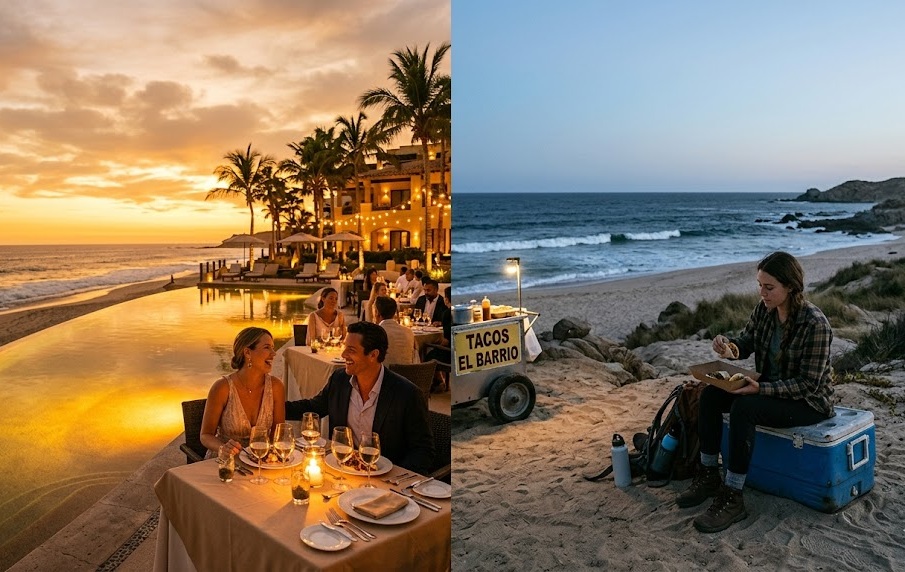
While Baja is becoming more expensive, it is not exclusively a luxury destination. Budget-conscious travelers can still find value, but the approach needs to be more strategic.
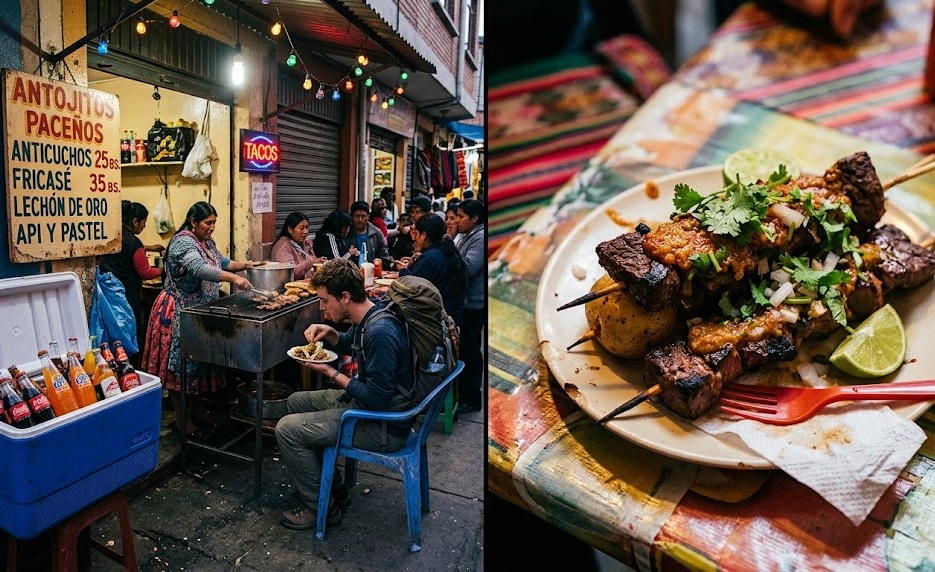
Travelers are adapting by:
- Visiting during shoulder seasons
- Choosing La Paz or Todos Santos over Los Cabos
- Booking experiences in advance to lock in pricing
The difference in 2026 is that budget travel requires more planning and flexibility than it did in the past.
What This Means For Travelers Planning A Trip
For travelers, the key takeaway is not simply that Baja is more expensive—it’s that it offers a different kind of value.
A trip to Baja in 2026 is less about affordability and more about:
- Quality of experience
- Access to unique natural environments
- Well-managed, safe, and evolving destinations
Understanding this shift helps set realistic expectations and ensures that travelers can make informed decisions about how they plan their visit.
Baja’s New Position In The Global Travel Market
Baja California Sur is no longer competing solely with other Mexican destinations. It is increasingly positioned alongside global travel hotspots that offer a combination of nature, luxury, and cultural identity.
By embracing higher pricing and focusing on experience-driven travel, Baja is carving out a space that is both competitive and sustainable.
For travelers, this means that while the cost of visiting may be rising, so is the quality, depth, and uniqueness of what the destination offers.