In 2026, Baja California Sur’s eco-tourism boom is no longer a trend—it’s a defining force behind the region’s global appeal. At the center of this growth is the Sea of Cortez, a body of water so rich in biodiversity that Jacques Cousteau famously called it “the aquarium of the world.”
Stretching between the Baja Peninsula and mainland Mexico, the Sea of Cortez has become the focal point for travelers seeking marine wildlife encounters, conservation-driven experiences, and low-impact adventure tourism. Destinations like La Paz, Loreto, and the surrounding islands are now seeing sustained increases in eco-focused visitation, reshaping how Baja is marketed and experienced.
This shift reflects a broader transformation: Baja is no longer just competing as a beach destination—it is emerging as one of North America’s most important eco-tourism hubs.
Why Marine Biodiversity Is The Main Attraction
What sets the Sea of Cortez apart is its extraordinary concentration of marine life. According to UNESCO, the region contains over 5,000 species of micro-invertebrates, 695 species of vascular plants, and nearly 900 species of fish, along with marine mammals such as whales, dolphins, sea lions, and whale sharks.
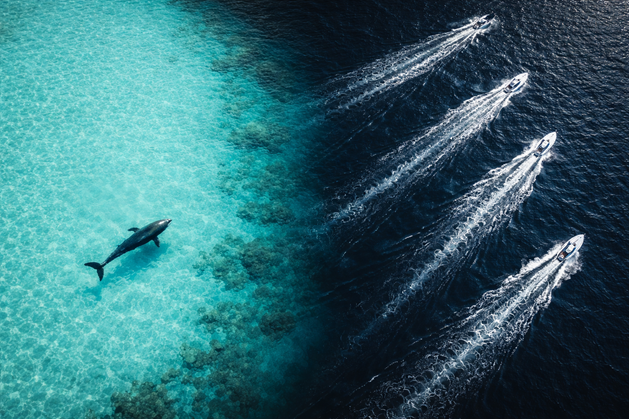
This biodiversity is not just impressive—it is accessible. Travelers can experience it through activities like snorkeling, diving, and guided wildlife tours, often within minutes of leaving shore.
Key eco-tourism experiences include:
- Whale shark season in La Paz (typically October to April)
- Seasonal whale migrations along the Baja coast
- Snorkeling in protected marine reserves like Espíritu Santo Island
- Sea lion colonies near Los Islotes
The ability to encounter such a wide range of species in a relatively compact area makes the Sea of Cortez uniquely positioned to support high-value, experience-driven tourism.
Protected Areas Are Strengthening Baja’s Eco-Tourism Model
A major reason the Sea of Cortez remains viable for eco-tourism is its network of protected areas. The Islands and Protected Areas of the Gulf of California, designated as a UNESCO World Heritage Site in 2005, cover more than 240 islands and coastal zones.
In Baja California Sur, areas like:
- Espíritu Santo Island National Park
- Cabo Pulmo National Marine Park
- Loreto Bay National Park
have become central to the region’s eco-tourism strategy.
Cabo Pulmo, in particular, is often cited as a global success story. After being designated a marine protected area in 1995, fish biomass in the region increased by over 400% within a decade, according to marine studies. Today, it serves as both a conservation model and a tourism draw.
These protections ensure that tourism growth is tied directly to environmental preservation, rather than exploitation.
How Eco-Tourism Is Reshaping Travel Behavior In Baja
The rise of eco-tourism in Baja is changing not only where people go, but how they travel.
Visitors are increasingly choosing:
- Smaller group tours over mass excursions
- Certified eco-guides and regulated operators
- Experiences that emphasize education and conservation
This shift reflects a broader global trend toward responsible travel, where the quality of the experience matters more than volume.
In Baja, this is particularly evident in La Paz, where eco-tourism has become a defining part of the destination’s identity. For travelers planning their itinerary, exploring Sea of Cortez marine life tours offers insight into how these experiences are structured and managed responsibly.
The Economic Impact Of Eco-Tourism In 2026
Eco-tourism is not only environmentally significant—it is economically transformative.
Unlike traditional tourism, which often concentrates spending in resorts, eco-tourism distributes economic benefits more broadly across:
- Local guides and tour operators
- Conservation programs
- Small businesses and community-based initiatives
Here’s how eco-tourism compares to traditional tourism models:
| Aspect | Traditional Tourism | Eco-Tourism |
|---|---|---|
| Scale | High volume | Smaller, controlled groups |
| Spending | Concentrated in resorts | Distributed locally |
| Environmental Impact | Often higher | Managed and minimized |
| Experience | Passive | Interactive and educational |
This model aligns closely with Baja’s long-term strategy of attracting higher-value, lower-impact travelers, ensuring that growth remains sustainable.
Why Global Attention Is Increasing
Baja’s eco-tourism growth is attracting international attention, particularly as travelers seek alternatives to overcrowded destinations.
Organizations like UNESCO and marine conservation groups continue to highlight the Sea of Cortez as one of the most important marine ecosystems in the world. The UNESCO World Heritage designation has played a key role in elevating its visibility and credibility on the global stage.
At the same time, media coverage and social platforms are amplifying the region’s appeal, showcasing experiences that feel both exclusive and environmentally conscious.
This combination of scientific recognition and cultural visibility is helping Baja stand out in an increasingly competitive travel market.
The Challenges Of Managing Rapid Growth
Despite its success, Baja’s eco-tourism boom comes with challenges. Increased demand can place pressure on fragile ecosystems if not properly managed.
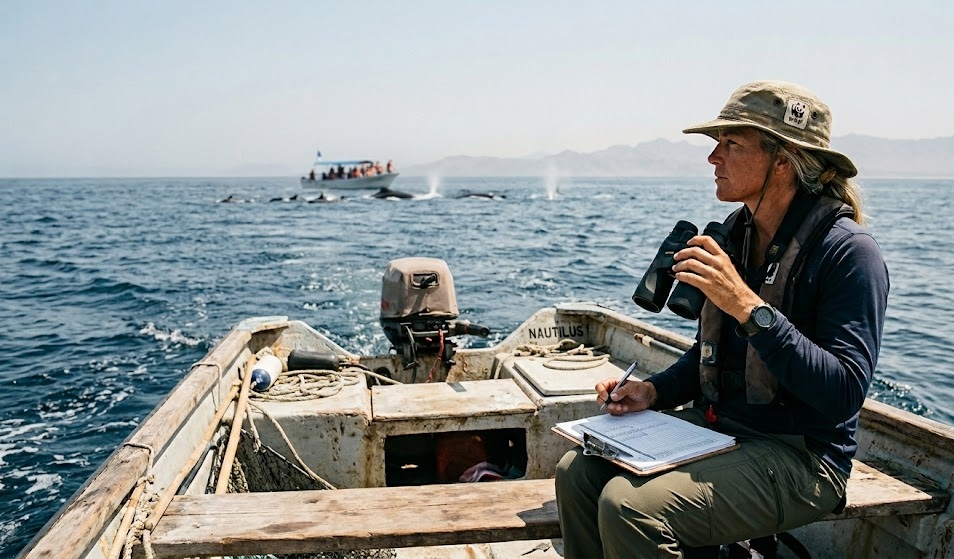
Authorities and conservation groups are actively working to address issues such as:
- Overcrowding in popular marine areas
- Regulation of tour operators
- Enforcement of wildlife interaction guidelines
These efforts are essential to maintaining the balance between access and preservation. Without them, the very ecosystems that attract visitors could be at risk.
What This Means For Travelers In 2026
For travelers, the rise of eco-tourism in the Sea of Cortez offers a more meaningful way to experience Baja.
It means choosing experiences that are:
- Guided by local expertise
- Grounded in conservation principles
- Designed to minimize environmental impact
It also means that planning matters more than ever. Booking with certified operators and respecting guidelines is not just recommended—it is part of being a responsible visitor.
In return, travelers gain access to some of the most extraordinary marine environments in the world, often in ways that feel personal and immersive.
Baja’s Future As An Eco-Tourism Leader
The Sea of Cortez is not just driving Baja’s tourism growth—it is shaping its future.
By centering its strategy around biodiversity, conservation, and responsible travel, Baja California Sur is positioning itself as a leader in eco-tourism, not just in Mexico, but globally.
The challenge moving forward will be maintaining that balance. Growth must continue, but it must do so in a way that preserves the ecosystems that make the region unique.
For travelers, this presents a rare opportunity: to experience a destination that is not only beautiful, but actively redefining what sustainable tourism looks like in 2026.