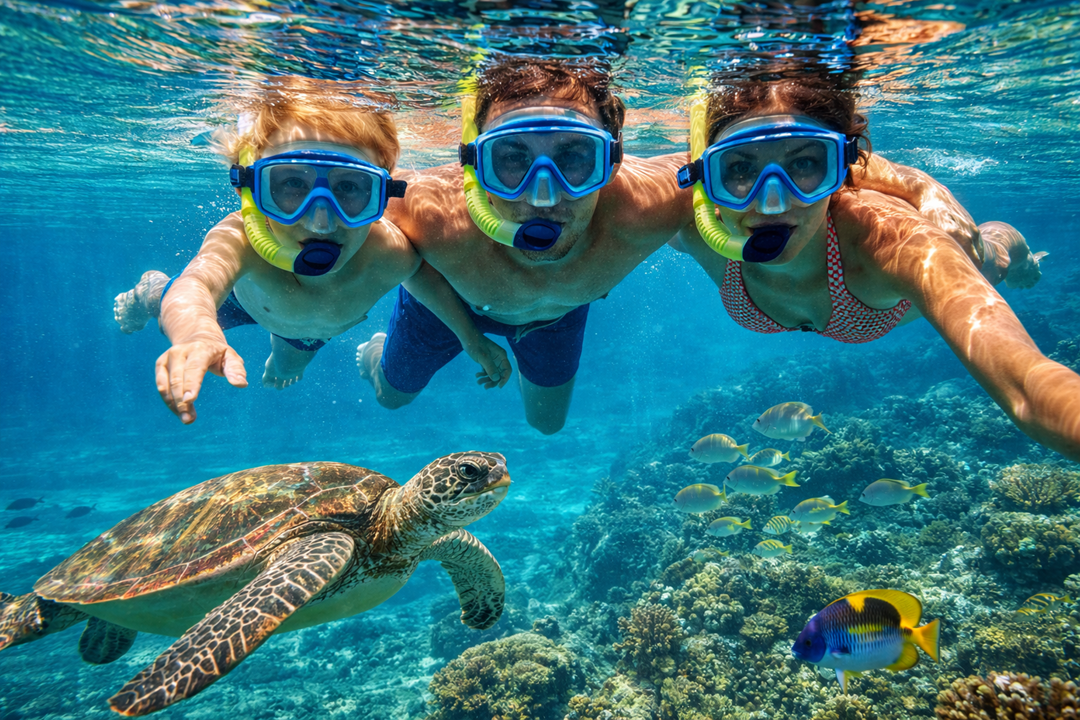
The Sea of Cortez, stretching between the Baja California Peninsula and mainland Mexico, is widely considered one of the most extraordinary marine ecosystems in the world. Jacques Cousteau famously called it “the Aquarium of the World,” a description that continues to resonate with marine scientists and travelers alike.
For visitors exploring Baja California Sur, snorkeling offers one of the most accessible ways to experience this biodiversity firsthand. Warm, clear water and protected coves allow even casual swimmers to observe vibrant underwater life just meters from shore.
Understanding what to expect — from marine species to seasonal conditions — helps travelers make the most of this remarkable environment.
Why The Sea Of Cortez Is So Rich In Marine Life
The Sea of Cortez supports an exceptional range of marine species due to its unique geography and nutrient circulation. Deep underwater canyons, seasonal currents, and sheltered coastal bays create ideal conditions for fish, marine mammals, and coral communities.
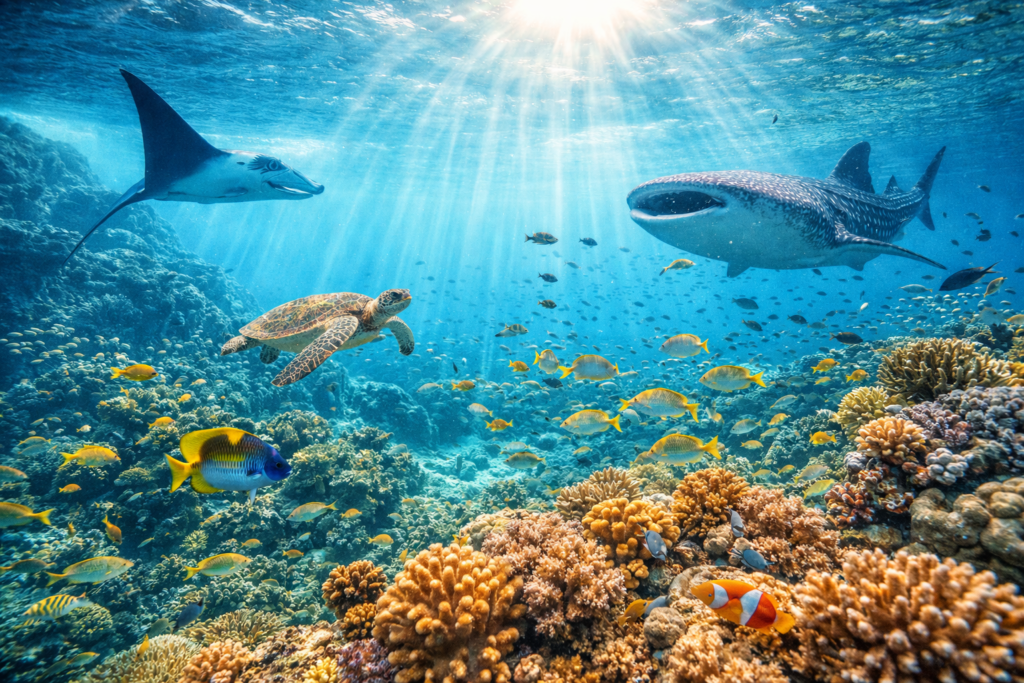
Scientists estimate that more than 900 species of fish and thousands of marine organisms inhabit these waters. According to National Geographic, the Gulf of California contains nearly 40 percent of the world’s known marine mammal species.
For snorkelers, this ecological diversity translates into constant discovery. Even shallow reefs often host colorful fish, rays gliding along sandy bottoms, and schools of sardines moving through sunlit water.
Best Snorkeling Locations Near La Paz
La Paz serves as one of the best gateways for snorkeling adventures in Baja California Sur. The city’s location along the Sea of Cortez provides quick access to protected bays and offshore islands where marine life thrives.
Espíritu Santo Island stands out as one of the most celebrated destinations. Its rocky coves and coral-covered reefs attract sea lions, tropical fish, and occasional sea turtles. Many guided excursions include snorkeling stops where visitors can observe marine life in calm, crystal-clear water.
Closer to the city, beaches such as Balandra and Tecolote also offer surprisingly good snorkeling conditions, especially during calm mornings. Their shallow bays provide ideal environments for beginners exploring the underwater world for the first time.
Travelers planning coastal excursions from the city often combine snorkeling with nearby destinations highlighted among the best day trips from La Paz, where beaches, islands, and marine reserves are all within easy reach.
Marine Species Snorkelers Commonly Encounter
The Sea of Cortez supports an extraordinary variety of wildlife visible to snorkelers without specialized diving equipment. Many encounters occur just meters from the shoreline.
Common sightings include:
| Marine Species | Where They Are Often Seen |
|---|---|
| Sea Lions | Espíritu Santo Island colonies |
| Parrotfish | Rocky reef areas |
| Angelfish | Shallow coral zones |
| Stingrays | Sandy seabeds near beaches |
| Sea Turtles | Calm coastal bays |
Seasonal migrations also bring larger species into the region. Whale sharks, for example, visit the waters near La Paz during certain months, creating one of the most remarkable wildlife experiences available in Baja.
Seasonal Marine Life Highlights
The timing of a visit can significantly influence the types of marine life travelers encounter. While snorkeling is possible year-round, different seasons reveal different ecological activity.
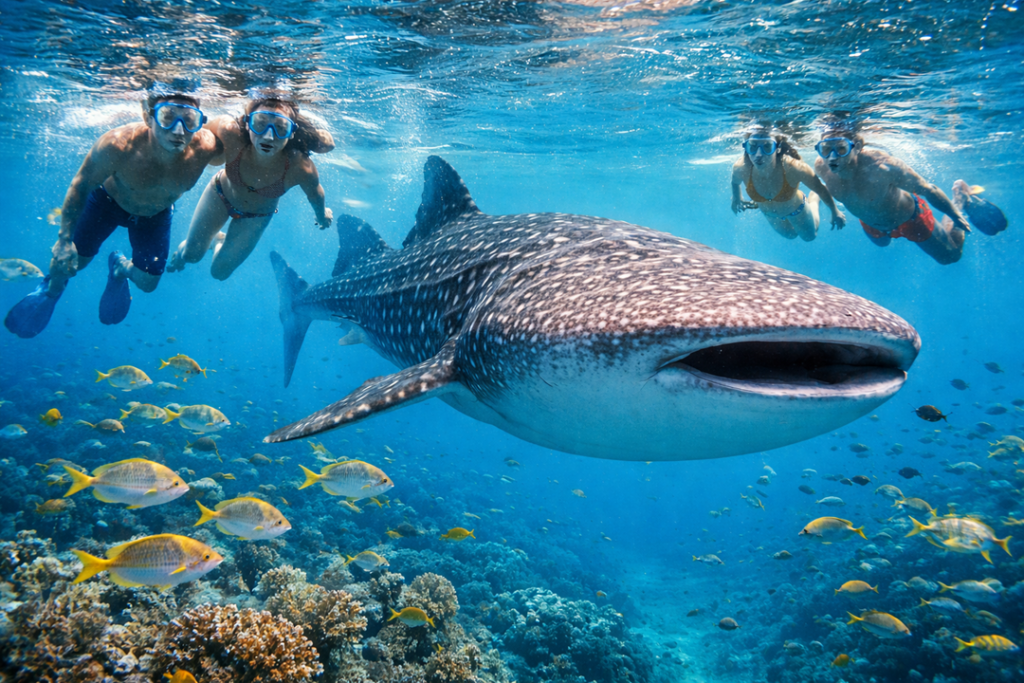
Summer and early fall typically offer the warmest water temperatures and excellent visibility, making conditions ideal for casual snorkeling. During these months, tropical fish populations are particularly active in shallow reefs.
Winter months bring cooler water but introduce new wildlife opportunities. Migrating whales pass through the Sea of Cortez and nearby Pacific waters, while sea lion colonies remain active around offshore islands.
These seasonal variations ensure that each visit to the region feels slightly different from the last.
Snorkeling Conditions And Safety
Despite its remarkable biodiversity, snorkeling in the Sea of Cortez remains accessible to most travelers. Many popular snorkeling sites feature calm water and gradual sandy entry points.
However, conditions can vary depending on wind patterns and tides. Early mornings generally provide the clearest water and calmest seas. Afternoon winds may create surface chop that reduces visibility.
Visitors should also respect local marine environments by maintaining distance from wildlife and avoiding contact with coral or sea creatures. Responsible tourism helps protect the fragile ecosystems that make the region so special.
Organizations like the Monterey Bay Aquarium provide valuable guidance through their responsible wildlife viewing guidelines, which promote safe and sustainable marine encounters.
Guided Tours Vs Independent Snorkeling
Travelers often choose between guided snorkeling tours and independent beach exploration. Each approach offers distinct advantages.
Guided tours provide access to remote marine habitats and include experienced guides who can identify species and navigate protected areas. These excursions frequently include boat transportation to offshore islands and secluded coves.
Independent snorkeling, on the other hand, allows for flexible exploration of accessible beaches near La Paz. Travelers with basic snorkeling gear can often observe fish and rays in calm coastal water without leaving shore.
The choice ultimately depends on how deeply visitors wish to explore the region’s marine ecosystem.
Experiencing The Aquarium Of The World
Few destinations offer such an accessible window into marine biodiversity as the Sea of Cortez. For travelers visiting Baja California Sur, snorkeling transforms the ocean from a distant view into a living environment filled with color, motion, and discovery.
Whether drifting through shallow coral reefs near La Paz or swimming alongside sea lions around Espíritu Santo Island, the experience reveals why this body of water has captivated explorers, scientists, and travelers for generations.
Above the surface, Baja’s landscapes offer desert mountains and quiet beaches. Beneath the water, an equally remarkable world waits to be explored.