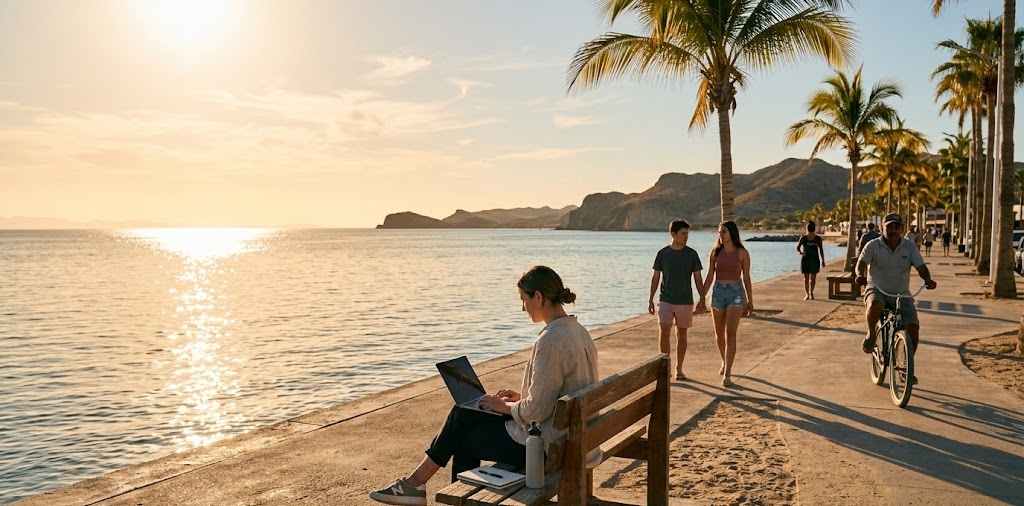
La Paz has long been known as a gateway to the Sea of Cortez—a destination defined by calm waters, marine life, and a slower pace than Los Cabos. But in 2026, the city is gaining attention for something entirely different: its rapid emergence as a digital nomad hotspot.
Remote workers from the United States, Canada, and Europe are increasingly choosing La Paz over more saturated destinations like Tulum or Playa del Carmen. The appeal lies in its balance—affordability, livability, and access to nature, all within a setting that still feels relatively undiscovered.
This shift reflects a broader global trend, but in La Paz, it is happening in a way that is reshaping both the local economy and the identity of the city itself.
Why Remote Workers Are Looking Beyond Traditional Nomad Hubs
For years, digital nomads clustered in a handful of well-known destinations. However, rising costs, overcrowding, and declining quality of life in those hubs have pushed remote workers to explore alternatives.
La Paz offers a compelling contrast. It provides:
- A quieter, less commercialized environment
- Lower living costs compared to major tourist zones
- Direct access to outdoor experiences within minutes
Instead of coworking in dense urban centers, remote workers in La Paz are building routines that blend productivity with lifestyle—morning work sessions followed by afternoon swims or sunset walks along the malecón.
This shift toward quality-of-life-driven relocation is a major reason the city is gaining traction.
The Cost Advantage Compared To Other Mexican Destinations
Affordability remains one of La Paz’s strongest advantages, especially when compared to more established nomad destinations.

While prices have increased in recent years, La Paz still offers relatively accessible living costs across key categories:
| Expense Category | La Paz (2026) | Tulum / Playa Del Carmen (2026) |
|---|---|---|
| Monthly Rent (1BR) | $700–$1,200 | $1,200–$2,000+ |
| Coworking Space | $100–$200 | $200–$350 |
| Dining (Local) | $8–$20 | $15–$30 |
| Internet (Monthly) | $25–$40 | $40–$60 |
This difference allows remote workers to maintain a higher standard of living while controlling costs, making La Paz particularly attractive for long-term stays.
Infrastructure Is Catching Up To Demand
One of the key factors enabling La Paz’s rise is the steady improvement of its infrastructure.
While the city is not as developed as Los Cabos, it has made significant progress in areas that matter most to remote workers:
- Reliable fiber internet in central neighborhoods
- Growth of coworking spaces and cafes with strong connectivity
- Expanding healthcare and essential services
Local businesses are adapting quickly, recognizing the economic potential of long-stay visitors who contribute consistently rather than seasonally.
However, infrastructure growth is still uneven, and this creates both opportunity and challenge as demand increases.
Lifestyle Appeal: Nature, Space, And Balance
What truly sets La Paz apart is its lifestyle. Unlike more urbanized destinations, the city offers immediate access to nature without sacrificing basic conveniences.

Remote workers can:
- Swim with whale sharks during the season
- Take weekend trips to Espíritu Santo Island
- Enjoy uncrowded beaches just minutes from downtown
This proximity to natural experiences is a defining feature of the La Paz lifestyle. For those exploring outdoor options, this guide to Sea of Cortez marine experiences highlights how easily work and adventure can coexist in the region.
The result is a work-life balance that feels less forced and more organic—one of the main reasons digital nomads are staying longer once they arrive.
The Impact On Housing And Local Communities
As with any growing trend, the rise of digital nomads in La Paz is not without consequences.
Increased demand for rentals—particularly short-term and furnished units—has begun to affect housing availability and pricing for local residents. This dynamic mirrors what has already occurred in other global nomad hotspots.
The challenge for La Paz will be finding a balance between:
- Welcoming remote workers and their economic contributions
- Preserving affordability and accessibility for locals
How the city navigates this tension will play a critical role in shaping its long-term sustainability as a destination.
How La Paz Compares To Los Cabos For Remote Work
While both destinations are in Baja California Sur, they offer very different experiences for remote workers.
| Feature | La Paz | Los Cabos |
|---|---|---|
| Cost Of Living | Moderate | High |
| Atmosphere | Local, relaxed | Luxury, resort-driven |
| Community | Growing nomad scene | Short-term visitors |
| Nature Access | Immediate and uncrowded | Accessible but more commercialized |
For remote workers seeking a balance between affordability and lifestyle, La Paz is increasingly seen as the more sustainable choice.
Why Global Attention Is Increasing In 2026
The rise of La Paz is part of a broader shift in how remote work is shaping travel patterns worldwide.
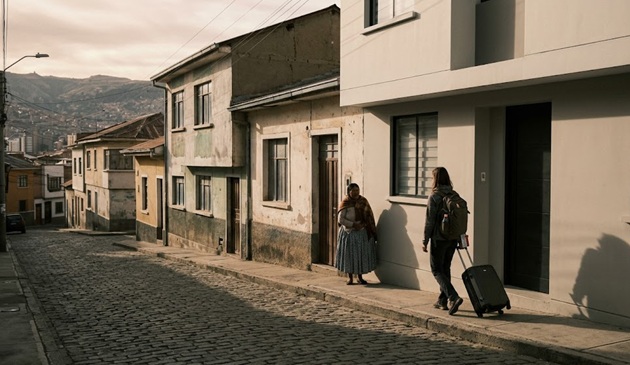
According to the World Tourism Organization’s digital nomad trends, destinations that combine affordability, safety, and lifestyle appeal are seeing the fastest growth in long-term stays.
La Paz checks all of these boxes, while also offering something less tangible but equally important: authenticity. It has not yet been overdeveloped or over-commercialized, allowing travelers to experience a version of Baja that still feels connected to its roots.
What This Means For Travelers And Remote Workers
For travelers considering a longer stay in Baja California Sur, La Paz represents a different kind of opportunity.
It offers:
- A slower, more sustainable pace of life
- Lower costs compared to major tourist hubs
- A growing but still manageable remote work community
At the same time, it requires a degree of flexibility. The city is still evolving, and those who choose it must be comfortable navigating a destination that is in transition rather than fully established.
A Destination On The Edge Of Transformation
La Paz is at a turning point. Its rise as a digital nomad destination is bringing new energy, investment, and global attention—but also new challenges.
The decisions made in the coming years—around infrastructure, housing, and development—will determine whether the city can maintain the balance that makes it so appealing today.
For now, La Paz offers something increasingly rare: a place where remote work feels integrated into life, not separated from it.
And in 2026, that may be exactly what modern travelers are looking for.