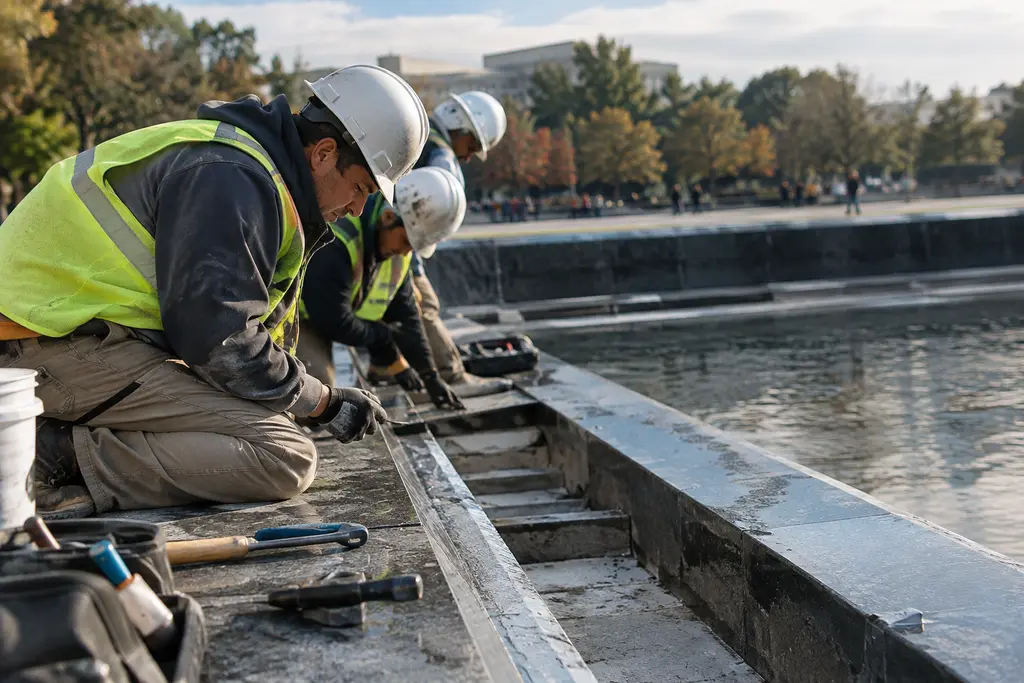
Reflecting Pool Repairs changed one of Washington, D.C.’s most familiar visitor routines in 2026: the straight, photo-heavy walk between the Lincoln Memorial and the World War II Memorial. As of October 30, 2026, the most reliable public record in the provided research is that the National Park Service restriction was scheduled to run until 11:59 p.m. on Tuesday, October 20, 2026. Because that date has passed and the research does not confirm whether every fence, path, and view corridor has reopened, travelers should treat the status as something to verify before arranging a tightly timed National Mall visit.
What Changed During Reflecting Pool Repairs
The National Park Service record described a temporary restriction of access to the Lincoln Memorial Reflecting Pool area, including the pool itself, the walkways immediately beside it, and the grass medians between those walkways and the Elm Walks on both the north and south sides. The order stated that the restriction would remain in place until 11:59 p.m. on October 20, 2026, unless reduced or lifted earlier, according to the NPS record of determination.
Reflecting Pool Repairs And The Closure Window
The closure began on April 10, 2026, with an original end date of June 10, 2026. The research notes indicate that the restriction was extended more than once, first to August 10, then to September 10, and later to October 20. For trip planning, that sequence matters because it shows how repair work at high-visibility federal sites can move beyond its first published schedule. Visitors who built spring or summer itineraries around the classic pool-edge walk likely had to adjust.
Areas Travelers Could Still Reach
The closure did not mean the western end of the National Mall was off limits. The research notes state that the Lincoln Memorial, Vietnam Veterans Memorial, World War II Memorial, Korean War Memorial, and JFK Hockey Fields remained open during the access restriction. Visitors were directed to use exterior Elm Walks and outside sidewalks rather than the interior paths around the water. For travelers with limited time, that distinction is useful: the memorials remained possible, but the central water-view experience was disrupted.
What Visitors Lost And What Remained Open
The main visitor loss was not only a closed basin. It was the interruption of a familiar sequence: standing near the Lincoln Memorial, looking across the Reflecting Pool, and framing the Washington Monument or surrounding memorials with water in the foreground. The research notes describe the classic pool-edge walk and uninterrupted reflective view as inaccessible during the closure period.
Photo Planning Around The Pool
For photography-minded travelers, the practical adjustment was to plan around open memorials and exterior walkways. That means leaving more time to cross between sites, accepting wider angles from accessible routes, and avoiding assumptions that the pool’s edge would be available for sunrise, evening, or family portraits. If the pool area had reopened by a traveler’s selected date, the experience could improve; if partial barriers remained, the visit could still feel different from older guidebook descriptions or social media posts.
One useful planning approach is to separate “memorial access” from “pool access.” The Lincoln Memorial and nearby memorials may be reachable even when the interior walkways and grass medians around the pool are not. Travelers comparing D.C. walks with road-based vacation planning may find similar access-check habits useful across destinations; resources like Drive Sat Mile High often emphasize the importance of verifying current route conditions to set realistic expectations.
Costs, Claims, And Reflecting Pool Repairs
The repair work was not a small cosmetic update. The research notes identify work that included cleaning and resurfacing the basin, fixing joints, repairing blocked circulation-system infrastructure, and addressing a polyurea liner that had shown bonding failures. Warranty repairs reportedly began on August 17, 2026, with failed material removed, surfaces prepared through power washing and abrasion, bonding agent applied, and recoating performed. The work components were estimated for completion by September 25, 2026, though the area remained subject to the access restriction after that date.
Liner Work And Water Systems
Cost reporting adds context for why the project drew public attention. The Associated Press reported that a contract for repainting and applying waterproofing liner was awarded to Atlantic Industrial Coatings for about $14.7 million, while a separate $1.7 million contract went to Green Water Solutions for a water purification system, bringing the total to more than $16 million in the AP account of the Reflecting Pool claims. For visitors, the precise contractor history may be less relevant than the effect: a major civic view was fenced off for months, and published timelines shifted.
Why Travelers Should Treat Status As Conditional
The research notes also point to disputed explanations for liner damage. Some public claims blamed vandalism, while later reporting and contractor documents cited application errors and bonding problems. Travel coverage should avoid turning that dispute into a political argument. The more useful lesson for visitors is that repair causes, warranty work, and public reopening dates do not always move together. A contractor’s reported completion of a work phase does not automatically mean that every path, drain grate, water feature, and visitor route is ready for normal use.
Access Checks For A National Mall Visit
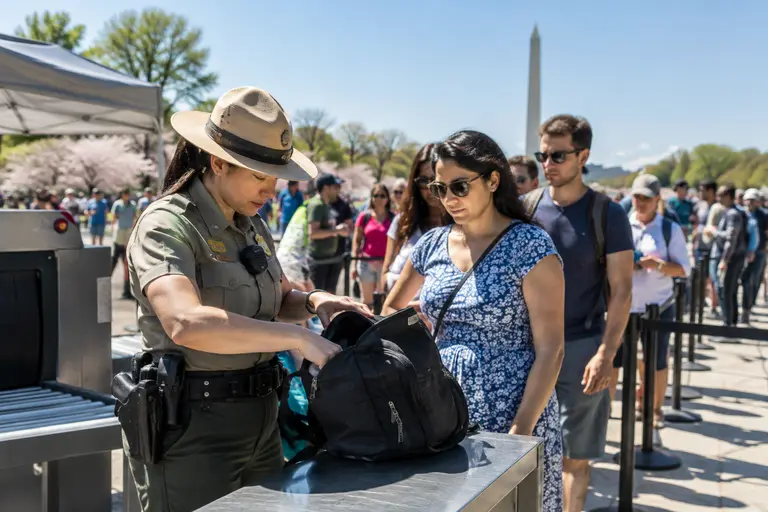
Travelers planning a National Mall trip after October 20, 2026, should confirm the status of the pool area close to the date of travel. The research provided here does not verify post-October 20 conditions as of October 30. That uncertainty matters for people booking guided tours, arranging mobility-sensitive visits, or planning formal photos. A walk that looks simple on a map can change when fencing, turf protection, or closed interior paths redirect foot traffic.
Practical Steps Before Booking
Before committing to a specific time slot, visitors should check official National Park Service updates for the National Mall and Memorial Parks, review tour meeting points, and ask photographers or guides whether their planned route relies on pool-edge access. Travelers should also allow extra walking time between the Lincoln Memorial, Vietnam Veterans Memorial, Korean War Memorial, and World War II Memorial if interior paths are restricted or crowded after reopening.
For readers comparing older trip notes with the 2026 conditions, this related National Mall restoration planning piece is a useful companion because it treats closures, routes, and visitor expectations as part of the same trip-planning problem. The key is not to cancel a D.C. visit automatically, but to avoid assuming that the symbolic water corridor will look exactly as it did before repairs began.
- Confirm whether the pool, adjacent walkways, and grass medians are open on your exact travel date.
- Separate access to the Lincoln Memorial from access to the pool-edge paths.
- Build extra time into walks between the Lincoln Memorial and World War II Memorial.
- Check whether formal photos, tours, or mobility routes depend on interior paths.
Reflecting Pool Repairs For DC Trip Planning
For travelers, Reflecting Pool Repairs are a reminder that landmark access is not the same thing as landmark visibility. A memorial can remain open while the approach, foreground, and expected photo angle are unavailable. That distinction is especially relevant at the National Mall, where many visitors plan emotionally significant stops around a specific view rather than only a building or monument.
The cautious travel takeaway is simple: the 2026 restriction was scheduled to end at 11:59 p.m. on October 20, but the supplied research does not establish the verified access status on October 30. Visitors with flexible plans can still make a strong western National Mall visit by focusing on open memorials and exterior paths. Visitors with fixed photo goals, mobility needs, or short layovers should verify conditions directly before relying on the classic Reflecting Pool route.