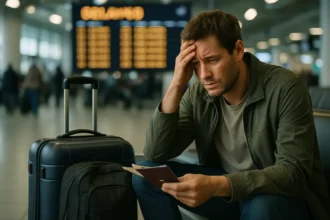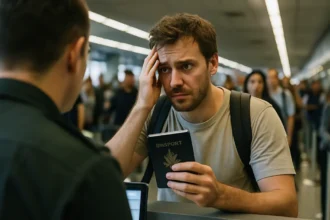
For nonimmigrant visa applicants, online presence reviews have become a practical travel-planning issue, not only a consular formality. The change matters because visa timing affects flight choices, hotel deposits, school reporting dates, work start dates, family visits, and sports-related travel plans built around fixed calendars. As of October 17, 2026, travelers should treat social media access, public profiles, and online identifiers as part of the document checklist, while avoiding assumptions about approval timing.
The clearest verified expansion came on December 15, 2025, when the U.S. State Department announced expanded screening and vetting for H-1B visa applicants and H-4 dependents. The notice said applicants in those categories were instructed to make all social media profiles public to help consular officers assess eligibility, inadmissibility, national security or public safety concerns, and whether the applicant’s planned activity matched the visa category sought through the State Department notice.
That policy shift sits on top of earlier social media questions that many visa applicants already encountered on the DS-160. The practical difference for affected categories is access: travelers are not only listing identifiers, they may also be asked to keep profiles visible for review. That creates a planning problem for anyone who normally keeps accounts private, uses different names across platforms, or has limited access to old accounts.
What Online Presence Reviews Changed
Online Presence Reviews And Timing
Online Presence Reviews changed the travel conversation because they moved part of the visa process into a space applicants may not have organized for official review. A passport, employment letter, I-20, DS-2019, or appointment confirmation is easy to identify. A five-year online footprint can be harder to audit, especially if it includes old handles, dormant accounts, public comments, reposted content, or profiles used for school, gaming, work, or community groups.
The timing risk is not that every application will be delayed. The more cautious reading is that affected applicants should plan as if added review could make processing less predictable. That matters for sports culture travelers as much as for students and workers. A family trying to attend a college signing event, a parent visiting a student-athlete, or a professional with a work start date can face real costs if a visa is not issued before a fixed travel date.
The Washington Post reported on July 9, 2025, that some international students were changing or deleting social media content because they feared politically sensitive posts or associations could affect visa outcomes; the report also described one student visa application rejected after a consular officer saw the applicant had social media accounts, under a stated failure to prove nonimmigrant intent, according to The Washington Post report.
Why Public Profiles Create Access Questions
The instruction to make profiles public raises a basic access issue: applicants need enough time before the interview to identify accounts, reset passwords if needed, check profile visibility, and confirm that usernames listed on the application are accurate. None of that guarantees a faster decision, and travelers should not read profile cleanup as a strategy for approval. The safer approach is consistency, accuracy, and preparation for questions about study, work, family, or travel purpose.
Applicants should also be careful with cost exposure. Nonrefundable flights, prepaid lodging, tournament packages, and event tickets can become expensive if a case enters extra review. The same applies to road-trip segments after arrival. For example, travelers pairing a visa-dependent U.S. trip with mountain driving or sports stops can use planning resources such as the website Drives at Mile High only after the visa timeline is realistic, not as a substitute for consular confirmation.
Why Visa Timing Now Affects Trip Planning
Fixed Dates Are The Main Travel Risk
Most travel problems linked to online presence reviews come from fixed dates. A semester start, exchange program orientation, wedding, conference, training camp, or work reporting date gives travelers little room if a passport is held for processing. The safest planning habit is to separate visa approval from travel purchasing. Until the passport is returned with the visa, the trip is not confirmed.
This is especially relevant for people whose U.S. plans include live sports. Game schedules, tournament brackets, media credentials, and campus events are usually date-specific. If a visa appointment is close to departure, the traveler may face a difficult choice between paying more for flexible bookings or risking losses on cheaper nonrefundable fares. The cautious option is often less exciting but more practical: book refundable or changeable travel where possible, or wait until the visa is issued before paying for the most expensive pieces.
There is also a destination effect. U.S. trips often combine a visa purpose with local travel: a student arrival plus a family road trip, a work start plus a weekend game, or a campus visit plus hotel nights near a stadium district. If the visa is delayed, the entire chain moves. Earlier BajaTimes coverage of visa processing pauses discussed how timing uncertainty can shift costs and access for travelers, and the same planning logic applies here.
What Not To Assume
Applicants should not assume that a public social media profile will be reviewed instantly, that an interview means same-week issuance, or that silence means denial. They should also avoid assuming that deleting content shortly before an appointment is harmless. The public guidance cited here does not provide a simple formula for how officers weigh posts, affiliations, reposts, or missing accounts. That uncertainty is exactly why travelers should preserve records, answer forms accurately, and avoid last-minute contradictions between the DS-160, interview answers, and public-facing profiles.
Costs also vary by trip design. A traveler with a flexible family visit may be able to wait. A student with a lease, tuition deadline, and move-in date may face larger exposure. A worker with an H-1B start date may have employer coordination issues. A sports traveler with a single event date may lose the main reason for the trip if the visa arrives late. Those differences should shape how much flexibility travelers buy into flights and hotels.
What Applicants Should Check Before Booking
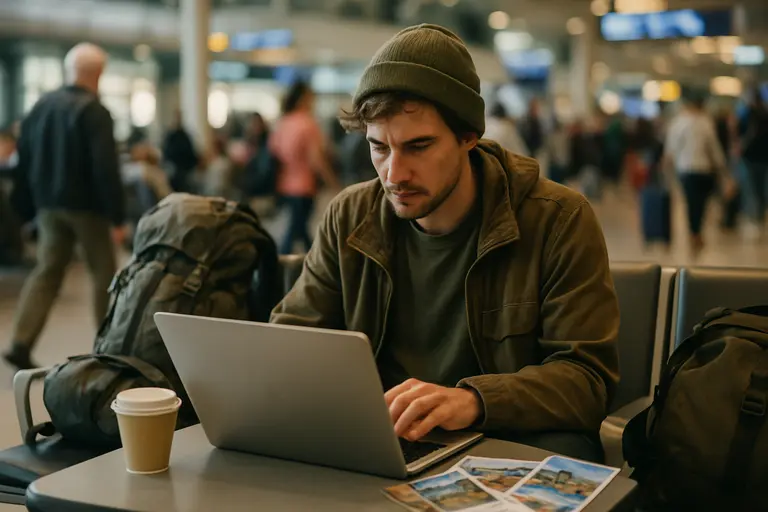
Pre-Interview Checks
Before paying for major travel, affected applicants should treat online accounts like any other part of the visa file. That means checking usernames, profile visibility, account ownership, spelling, and consistency. It also means reviewing whether old accounts are still accessible. If a traveler cannot access an account that appears on the DS-160 or is tied to a long-used identity, they should be ready to explain that clearly if asked.
- Confirm the visa category and whether current consular instructions require public social media profiles.
- Review DS-160 social media identifiers for accuracy before submission.
- Keep travel purchases flexible until the passport is returned with the visa.
- Check appointment, passport delivery, school, employer, or event deadlines against realistic processing uncertainty.
- Save copies of key travel, study, work, and family documents in case follow-up questions arise.
Travelers should also check the official website of the embassy or consulate where they will apply. Local appointment availability, document return systems, interview-waiver rules, and administrative processing instructions can vary by post and can change. This article does not replace legal advice, and applicants with prior refusals, sensitive work, complex travel histories, or unclear online records may need qualified immigration counsel.
Booking Strategy For Sports And Event Travelers
For travelers planning around U.S. sports, the most useful strategy is to rank each cost by refund risk. Airfare, hotel deposits, domestic transfers, vehicle rentals, event tickets, and prepaid tours do not carry the same penalty if plans shift. If the reason for travel is tied to one date, such as a championship, school homecoming, tournament, or athlete visit, the visa should be treated as the gatekeeping step before the rest of the itinerary becomes firm.
Families should also plan for split decisions. One applicant may be issued a visa while another waits. That can affect parents accompanying students, spouses traveling with workers, or relatives joining a milestone sports event. The best travel plan leaves room for separate arrival dates and avoids putting all costs into one nonrefundable package.
Online Presence Reviews Travel Checklist
Online presence reviews are now part of the real travel timeline for affected nonimmigrant visa applicants. The key planning lesson is not to panic or assume an outcome, but to prepare earlier, keep information consistent, and avoid building an expensive U.S. itinerary on an unissued visa.
As of October 17, 2026, the verified public record showed expanded vetting for H-1B applicants and H-4 dependents, with earlier student and exchange visitor scrutiny widely reported. Other category changes should be checked directly with the State Department, the relevant embassy or consulate, and the applicant’s school, sponsor, or employer before booking. The access question is simple: if officials ask for public profiles, applicants need time to make them available and to understand what they have submitted.
For travelers, the practical response is clear. Build a visa-first timeline, keep social media identifiers accurate, avoid nonrefundable spending until issuance, and plan destination details only after the entry document is in hand. That is especially true for trips tied to live sports, academic calendars, work start dates, and family events where missing the date can erase the purpose of travel.