
TSA’s 18.7 million July Fourth travelers reveal that airport planning this summer is no longer only about arriving early. It is about understanding how holiday demand, family travel, REAL ID enforcement, TSA PreCheck, airport staffing, checked-bag decisions, military travel support, and weather-sensitive operations all come together during compressed travel windows. For travelers, the lesson from the Independence Day rush is practical: a smooth airport day starts before anyone reaches the terminal.
Why TSA’s July Fourth Forecast Matters
The Transportation Security Administration said it expected to screen nearly 18.7 million travelers at U.S. airport checkpoints between Tuesday, June 30, and Monday, July 6, 2026. TSA also expected the highest passenger volume on Thursday, July 2, with more than 3 million people passing through checkpoints on that single day through its Fourth of July airport travel forecast.

That number matters because it shows how summer air travel now works across a longer holiday period. The rush is not limited to one Friday afternoon or one Sunday return. Families, business travelers, cruise passengers, World Cup visitors, service members, and international travelers may all overlap across several days.
AAA’s June 17 Independence Day forecast adds the broader context. AAA projected 72.2 million Americans would travel at least 50 miles from home between Saturday, June 27, and Sunday, July 5, surpassing last year’s 71.8 million record. AAA also projected 5.85 million domestic air travelers for the holiday week, a 0.2% increase from last year, while noting that domestic round-trip flights to top destinations were averaging about $830 through its Independence Day travel forecast.
Those forecasts are not identical measurements. AAA measures domestic leisure person-trips, while TSA counts passenger screenings at checkpoints. But together, they point to the same summer reality: airports are handling dense, expensive, and highly scheduled movement during a period when travelers have little patience for surprises.
Why Airport Planning Now Starts At Home
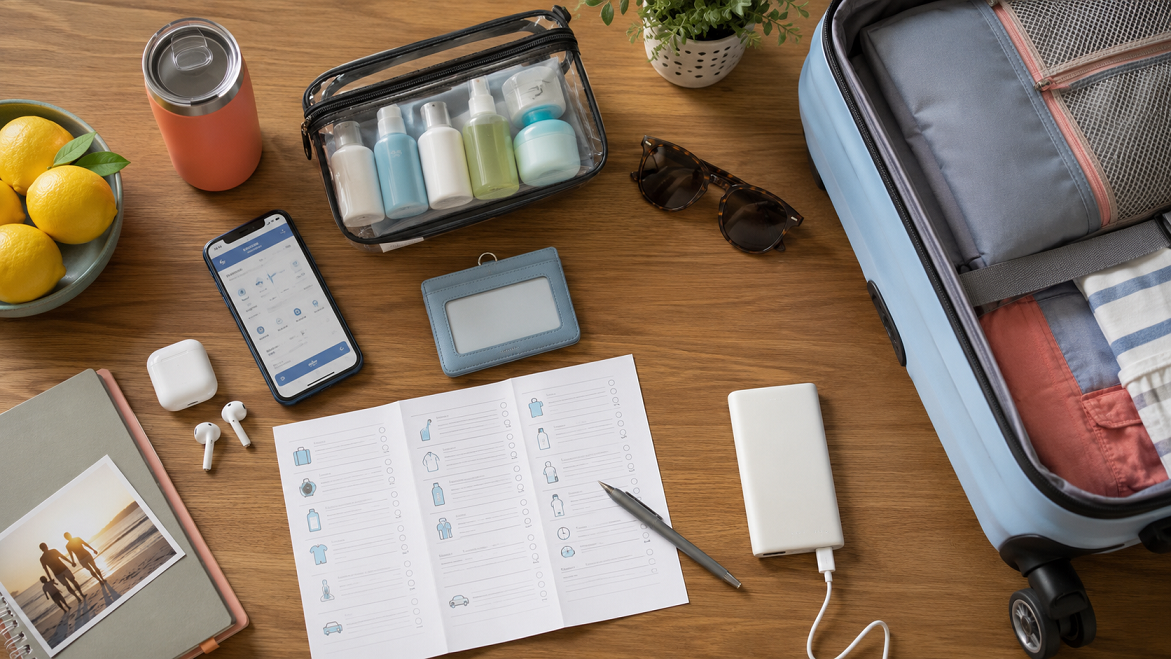
The first airport decision happens before the car leaves the driveway. Travelers need to confirm their identification, baggage plan, airline app access, parking or ride-share timing, and checkpoint strategy before the day of departure. During a heavy travel week, those small decisions can decide whether the airport feels manageable or chaotic.
REAL ID is now part of that planning. TSA’s official REAL ID page explains that the REAL ID Act set minimum security standards for state-issued driver’s licenses and identification cards, while TSA and DHS began enforcement after the May 7, 2025 deadline through REAL ID travel guidance. Travelers who still rely on older state IDs need to confirm whether their identification is acceptable before reaching the checkpoint.
That matters most during holiday periods because a document problem does not stay private. It slows the traveler, the family, the officer, and sometimes the whole line behind them. A passenger who checks ID requirements the night before is doing more than helping themselves. They are reducing friction in a system built around throughput.
The same applies to carry-ons. Liquids, oversized toiletries, sporting goods, batteries, souvenirs, and food can all slow screening if travelers guess instead of checking. TSA’s official travel page remains the starting point for what can go in carry-on or checked baggage.
Why July Fourth Is A Family Travel Stress Test
The Independence Day period is one of the clearest tests of family travel planning because many passengers are not frequent flyers. They may be carrying strollers, car seats, medication, snacks, sunscreen, sports gear, beach items, gifts, or coolers. They may also be managing children, older relatives, mobility needs, and tight rental-car pickup windows.
That creates a different checkpoint experience from a normal weekday business-travel morning. A family may need more time at check-in, more time at bag drop, more time to move through parking, and more time to repack items after screening. A traveler who usually needs 90 minutes at a familiar airport may need far longer when flying with children or relatives.
This is where summer airport planning becomes realistic rather than optimistic. A family should not plan around the best-case airport experience. It should plan around the actual group: who needs help walking, who needs food, who gets anxious in lines, who carries the documents, and who knows the airline app.
That does not mean arriving excessively early for every flight. It means building a plan around the group’s real pace.
What The Numbers Say About Car, Air, And Airport Pressure
AAA projected that 61.4 million Americans would travel by car during the Independence Day week, with 85% of holiday travelers expected to drive. At the same time, AAA projected 5.85 million domestic air travelers and said domestic car rentals were 10% more expensive than last year during the holiday week.
Those figures show why airports can feel pressured even when roads carry most travelers. Many airport trips also include car demand. Travelers drive to terminals, use shuttles, book ride-shares, rent cars at arrival airports, or depend on relatives for drop-off and pickup. The airport is not separate from the road network. It sits inside it.
For travelers in Southern California and Baja California, this is especially relevant. BajaTimes has already covered how CBX can bypass San Diego airport pressure for some eligible passengers using Tijuana International Airport. That kind of planning shows how travelers are thinking beyond a single terminal. They are comparing airports, borders, bridges, parking, airline routes, and total travel time.
The same lesson applies nationally. A traveler choosing between nearby airports should not compare airfare alone. They should compare arrival time, parking availability, flight reliability, ground transportation, bag fees, and how stressful the departure day is likely to be.
Why TSA PreCheck Is Useful But Not Magic
TSA PreCheck can make airport screening more predictable for eligible travelers, but it does not remove the need for planning. During high-volume periods, PreCheck lanes can also be busy. Travelers still need acceptable identification, boarding passes, compliant bags, and enough time to reach the gate.

TSA’s Fourth of July release also highlighted expanded support for service members. TSA said it expanded front-of-line access for service members, veterans, and immediate family members traveling with them at 33 airports near larger military installations. TSA’s military travel page describes front-of-line services at more than 30 airports through TSA military travel support.
That detail matters because airports serve different traveler groups at once. A holiday week may include families going to beaches, service members traveling near military installations, World Cup visitors, cruise passengers, college students, and business travelers. A checkpoint that works well has to move all of them without treating every traveler’s needs as identical.
For travelers, the takeaway is simple. Use trusted traveler programs where eligible, but do not let the program become an excuse for late arrival or careless packing.
How Weather Turns A Busy Airport Into A Fragile System
Summer airport planning is also weather planning. Thunderstorms, heat, wildfire smoke, ground stops, and air-traffic constraints can affect flights long after the local sky looks clear. A flight out of Denver, Atlanta, Chicago, New York, Dallas, or Miami can be delayed because of weather somewhere else in the airline’s network.
This is why travelers should think in networks, not just departure cities. A morning delay can affect an afternoon connection. A thunderstorm at a hub can interrupt passengers across multiple regions. A late arriving aircraft can turn an otherwise calm airport day into a missed connection.
For families and travelers with fixed commitments, direct flights become more valuable during storm season. Early flights can also provide more recovery options if something goes wrong. Travel insurance, flexible hotel policies, and backup rental-car plans may matter more during peak summer than during quieter months.
Airport planning is not about controlling the weather. It is about avoiding fragile itineraries when weather is likely to test them.
What Travelers Should Check Before Leaving For The Airport
| Planning Item | Why It Matters | Smart Move |
|---|---|---|
| Identification | REAL ID enforcement affects checkpoint access | Confirm acceptable ID before departure day |
| Carry-On Contents | Liquids, tools, and sports gear can delay screening | Check TSA rules before packing |
| Airport Arrival Time | Holiday lines vary by airport and traveler type | Build time around the group’s real pace |
| Parking Or Drop-Off | Terminal roads can back up during peak periods | Reserve parking or confirm ride timing early |
| Weather And Connections | Delays can cascade through airline networks | Monitor the airline app and airport alerts |
This checklist is basic, but basic planning is exactly what breaks down during busy travel weeks. A traveler who has ID ready, bags packed correctly, parking reserved, and the airline app loaded reaches the checkpoint with fewer problems.
The goal is not to eliminate every delay. It is to remove the preventable ones.
Why Airport Choice Matters More This Summer
Many travelers think of airport choice as a fare question. This summer, it is also a stress question. A cheaper flight from a farther airport may not be cheaper if it requires a long drive, expensive parking, a hotel stay, or a risky connection. A more expensive nonstop from a closer airport may be worth it for families, older travelers, or people with limited time off.
Airport choice also affects small destinations. A traveler visiting a beach town, mountain area, cruise port, or family region may have several arrival options. One airport may offer cheaper flights but longer rental-car lines. Another may have fewer flights but smoother exits. A third may work better if the traveler is crossing a border or connecting to a regional shuttle.
This is why planning should start with the full trip, not the airfare search. Travelers should ask how they will get from home to the airport, from the arrival airport to lodging, and back again after the trip. The checkpoint is only one piece of the travel day.
That broader view is especially useful for families traveling during compressed summer weekends.
How Airports And Local Businesses Are Connected
Airport pressure does not stay inside the terminal. When airports are crowded, the effects reach hotels, rental-car counters, coffee shops, restaurants, gas stations, ride-share pickup zones, parking lots, and nearby roads. A busy airport morning can become a busy hotel checkout morning. A delayed flight can become a late restaurant arrival. A rental-car shortage can change a family’s entire destination plan.
This matters for travel and lifestyle businesses because summer visitors may be tired before they ever reach town. Hotels that provide clear shuttle information, restaurants that allow flexible reservations, tour operators that build in arrival buffers, and rental companies that communicate pickup rules can turn airport stress into better hospitality.
For destinations, the lesson from TSA’s July Fourth forecast is that airport planning is destination planning. A traveler’s first impression may be formed before they leave baggage claim.
Businesses that understand this can serve summer visitors better.
What Families Should Do Differently Than Solo Travelers
Solo travelers can often adjust quickly. Families cannot. A solo traveler with a backpack and PreCheck may move through a busy airport with minimal friction. A family with car seats, medicine, strollers, checked bags, snacks, and tired children needs a different plan.
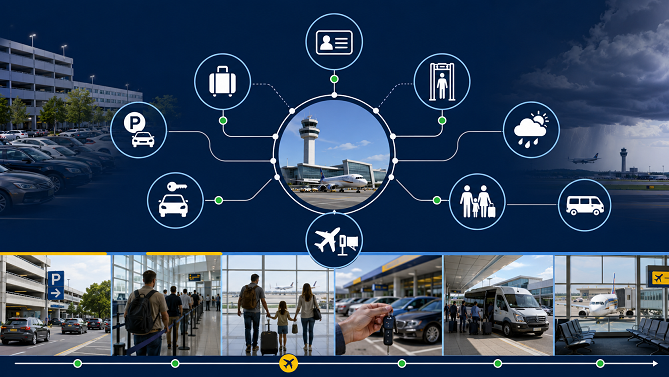
Families should assign roles before entering the airport. One adult handles documents. Another handles bags. Children should know what comes out at security and what stays packed. Medication should be accessible. Snacks should follow TSA rules. Chargers should be in easy reach. A printed backup of key details can help if a phone dies.
This may sound ordinary, but it saves time when lines are long. Families are not slow because they are careless. They are slower because they have more moving parts. Planning acknowledges that reality.
A good airport plan should reduce stress for the whole group, not prove how fast one person can move.
Why July Fourth Is A Preview Of The Rest Of Summer
The July Fourth holiday period is important because it previews the rest of summer travel. It combines high demand, family schedules, event travel, heat, storms, rental-car pressure, and price sensitivity. Those conditions do not disappear after the fireworks.
Travelers heading out later in July or August should treat the Independence Day numbers as a warning and a guide. Airports can move large volumes, but the traveler has to cooperate with the system. That means correct ID, compliant bags, realistic timing, and a backup plan.
The same applies to destination planning. A summer vacation is not only the hotel, beach, family visit, cruise, park, or event. It is the airport path that gets travelers there and back.
That is what TSA’s 18.7 million July Fourth travelers reveal. The airport is no longer a place to improvise. It is a planning environment.
How To Make Airport Planning Feel Less Stressful
The best airport plan is simple enough to follow. Check IDs one week before departure. Pack questionable items in checked luggage or leave them home. Use the airline app. Reserve parking where available. Arrive based on the airport, not social media advice. Build more time for families, mobility needs, international flights, and unfamiliar airports. Keep medicine, documents, chargers, and essential items in a personal bag.
Travelers should also avoid overloading the carry-on. A crowded checkpoint is not the place to discover that sunscreen, tools, souvenirs, or sports gear need extra inspection. If an item matters, check TSA rules. If it does not matter, do not bring it.
Airport planning is not glamorous, but it protects the trip. The traveler who reaches the gate calmly is more likely to enjoy the destination.


