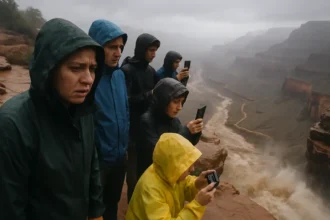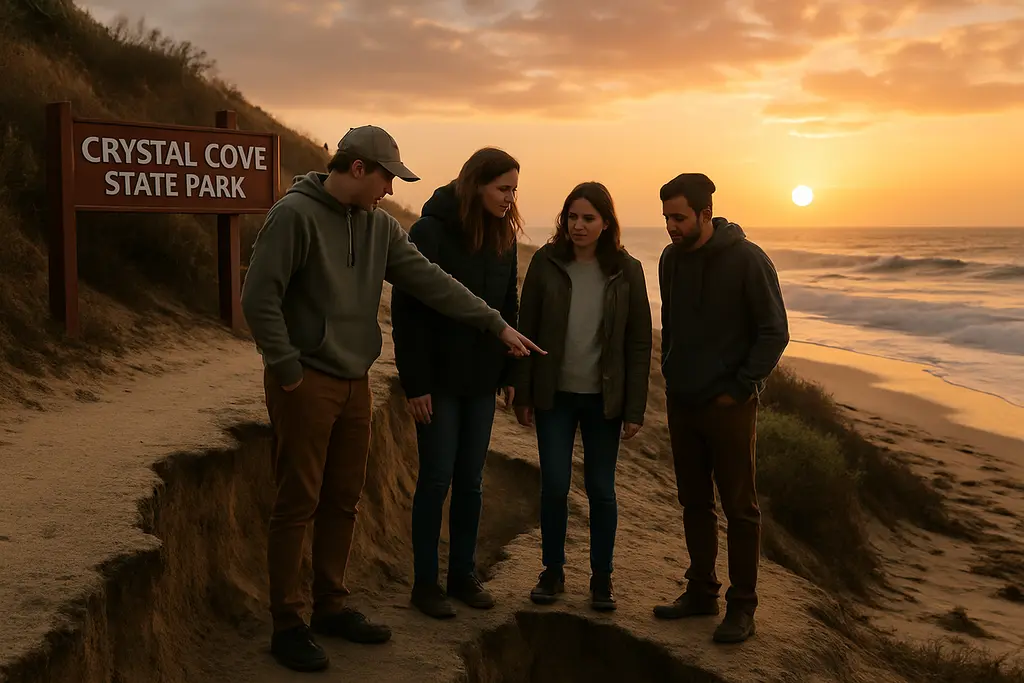
Crystal Cove access has changed after October 2026 coastal erosion and storm damage, so visitors should treat a park day as a conditions-dependent plan rather than a fixed beach outing. As of October 22, 2026, Crystal Cove State Park remained open, but with restrictions affecting some beaches, cottages, roads, restrooms, parking areas, and services. That means the best trip plan is one built around official updates, flexible timing, and a backup idea if the specific area you hoped to use is closed.
California State Parks reported that high surf and coastal erosion associated with Tropical Storm Rachel led to temporary closures in parts of Crystal Cove’s Historic District beach, with 26 cottages in vulnerable locations being evacuated and reservations canceled through at least October 13, 2026 California State Parks notice. Since that date has passed, travelers should not assume all access returned to normal; the park’s later recovery update said damage assessment and repairs continued, with Surf Beach access road still closed to vehicle traffic because of unsafe conditions State Parks recovery update.
Crystal Cove Access After October 2026 Damage
Crystal Cove Access Basics For October 22
The key planning point is that the park is not closed as a whole. Visitors can still plan a visit, but they should expect access to vary by location inside the park. The Historic District remained open during its regular hours, listed in the research as 6:00 AM until 10:00 PM, while parts of the Historic District beach were closed because of unsafe conditions. The broader park day-use hours were listed as 6:00 AM until sunset.
That difference matters. A traveler may be able to enter the Historic District, eat nearby, walk paved areas, or use open facilities, while still being blocked from damaged or unstable beach sections. If your visit depends on a specific beach stairway, cottage, restroom, road, or parking area, verify it before leaving. For a narrower access update focused on erosion effects, BajaTimes also has a related report on Crystal Cove beach access after erosion.
What The Closures Mean For A Beach Day
Storm and erosion damage changes the feel of a Crystal Cove visit. A normal beach plan might center on parking, walking down to the sand, spending several hours near the water, and returning by the same route. In a damaged coastal area, that plan needs more caution. Sections can be closed for unstable slopes, damaged access points, high surf effects, or repair work. Parking lots and restrooms in affected zones may also be closed or limited, based on the research provided.
For practical planning, choose a visit window that does not depend on arriving at the last minute before sunset. If beach access is limited, you may need extra time to move to an open area, adjust plans, or leave earlier than expected. Families, visitors with mobility needs, and anyone carrying beach gear should be especially conservative about how much they bring down from a parking area.
Roads, Parking, Fees, And Hours
Vehicle Access And Parking Limits
The Surf Beach access road remained closed to vehicle traffic due to storm damage and unsafe conditions, according to the October 2026 recovery information. That is one of the most useful details for trip planning because road closures can affect much more than driving. They can change where you park, how far you walk, whether beach gear is reasonable to carry, and whether a quick visit is realistic.
Day-use vehicle entry was listed in the research as $15 on regular days and $20 during special holiday or weekend or seasonal high-demand periods. Since pricing can be tied to demand periods, visitors should have a payment plan and confirm the fee before arrival. If a desired lot is closed or constrained, having the correct fee does not guarantee access to the exact area you planned to use.
Hours To Use Carefully
Crystal Cove State Park’s general day-use hours were listed as 6:00 AM until sunset. The Historic District and Los Trancos parking lot were listed as closing at 10:00 PM, while beaches, hiking and multi-use trails, backcountry areas, and parking lots close at sunset except for those later-access areas. This makes timing more than a convenience. If you plan a late-day hike, tidepool walk, beach visit, or photo stop, sunset closures can affect how much time you truly have.
Backcountry trails may close during or after measurable rainfall, with the research noting a usual minimum closure period of 12 hours. That means a coastal trip after rain can lose both beach and trail options. Do not build a plan around a single backcountry route if recent weather has been wet.
Cottages, Camping, And Facilities
What Changed With Historic District Cottages
The Historic District cottages are a major part of the Crystal Cove experience, but they were directly affected by the October 2026 storm damage. The research states that 26 cottages in vulnerable areas were evacuated, with reservations canceled through at least October 13, 2026. North Beach cottages reopened on October 14, 2026, for reservations, while other units remained impacted.
For travelers, the practical reading is simple: do not rely on past cottage availability patterns. Even if some units have reopened, other lodging may still be affected by repairs, safety reviews, or access issues. The research also states that no upcoming camping or lodging reservations were available when checked on October 21–22, 2026. Treat that as a snapshot, not a long-term rule, and verify directly before booking flights, rental cars, or vacation days.
Restrooms, Beach Wheelchairs, And Mobility Planning
Crystal Cove has accessibility features in the Historic District and Moro Canyon Day-Use Area, including accessible paths, restrooms, picnic sites, and beach wheelchairs loaned free. The research also notes that the bluff makes many beach accesses difficult for people with limited mobility. After erosion damage, that access challenge can become more serious if certain paths, restrooms, or nearby parking areas are closed.
If someone in your group uses a wheelchair, walker, stroller, or has difficulty with stairs or steep grades, call ahead rather than relying on a general park map. The most useful question is not whether the park has accessible features in general, but whether the specific accessible route, restroom, parking area, or beach wheelchair location you need is available on the date of your visit.
Pets, Bikes, E-Bikes, And Safety Checks

Rules That Affect Where You Can Go
Dogs are allowed only on paved areas, except for service animals, and are not allowed on the beach, in the backcountry, or in Deer Canyon, Lower Moro, and Upper Moro campgrounds, according to the research. That rule can surprise visitors who picture a casual beach walk with a dog. If your trip depends on bringing a pet, plan around paved areas and be ready to leave beach time out of the visit.
Class-1 e-bikes are allowed on roads and trails in Moro Canyon and the Moro Campgrounds coastward, while trails inland beyond Highway 1 are closed to e-bikes. Bicyclists should read the route carefully because a trail that looks rideable on a map may not be legal for an e-bike. After storm damage or rain, access may be further constrained.
- Check official park updates before leaving, especially after surf, rain, or high tides.
- Confirm whether your preferred parking area, restroom, cottage, or beach access point is open.
- Plan for sunset closures outside the Historic District and Los Trancos parking lot.
- Bring less gear if road or parking closures could add walking distance.
- Use posted safety tools and lifeguard guidance before entering the water.
Real-Time Beach Conditions
The research notes that Crystal Cove is using Safe Beach Day, a mobile dashboard tool available through QR codes posted at entrances. It provides current information such as lifeguard locations, wave height, and stingray activity. That kind of tool is useful, but it should support—not replace—on-site judgment. Conditions can change during the day, especially after high surf and erosion events.
For travelers flying into Southern California and combining beach days with road-trip planning, valuable planning resources can be found in a related network site. You can find such trip-planning resources at Vision Airlines. Even with advance planning, Crystal Cove access should be checked again close to arrival because beach and road conditions can shift faster than hotel or flight plans.
How To Plan A Flexible Crystal Cove Visit
Build A Plan Around Open Areas, Not Assumptions
A good Crystal Cove plan on October 22, 2026, starts with the areas that are clearly open and treats damaged zones as uncertain until verified. If your goal is a relaxed walk, the Historic District may still work, though part of its beach access was closed. If your goal is a full beach day, confirm which beach sections and access points are open. If your goal is hiking, check rain-related trail status and sunset timing.
Families should plan for restroom uncertainty in affected areas. Photographers should not assume they can reach a familiar viewpoint or shoreline angle. Cottage guests should verify reservation status and access instructions directly. Visitors with limited mobility should confirm the exact route from parking to the intended destination. Crystal Cove access is still possible, but it requires a more specific plan than a normal fair-weather beach day.
What To Check Before Leaving
Before committing to the drive, call the park number listed in the research, (949) 494-3539, or check the park’s official updates. Ask about the specific location you intend to use: Surf Beach road, the Historic District beach, North Beach cottages, Moro Canyon Day-Use Area, restrooms, parking, trail closures, or beach wheelchair availability. General statements that the park is open are not enough if your plan depends on a damaged section.
Travelers should also be realistic about cost and timing. Day-use vehicle entry may be $15 or $20 depending on the day and demand period. The park opens at 6:00 AM, but most areas close at sunset, while the Historic District and Los Trancos parking lot close at 10:00 PM. Those hours shape whether a post-work visit, sunset walk, or late dinner plan is practical.
Crystal Cove State Park Planning Notes
Crystal Cove State Park remains a rewarding coastal stop, but October 2026 storm damage changed the planning standard. The most reliable approach is to choose a flexible day, verify the exact access point you need, avoid closed beaches and damaged roads, and keep an alternate plan nearby if facilities are limited. Crystal Cove access is not a single yes-or-no question right now; it depends on which beach, road, cottage, trail, restroom, or parking area you intend to use.
As of October 22, 2026, the supported facts point to a park that is open with restrictions, a Historic District that remains accessible during listed hours, partial beach closures tied to unsafe conditions, a Surf Beach access road closure to vehicles, limited or closed facilities in affected areas, and cottage availability that has been disrupted. For travelers, the cautious plan is also the better travel plan: confirm conditions close to departure, keep the schedule flexible, and do not build the whole day around a single closed or erosion-prone section of coast.