As of October 25, 2026, the Balsam Mountain Closure is already in effect for the winter season. The National Park Service lists Balsam Mountain Campground in Great Smoky Mountains National Park as closed from October 12, 2026, through May 15, 2027, with the campground page also noting the site’s high-elevation setting and seasonal facilities on the National Park Service Balsam Mountain page. For travelers, that means this is not a late-fall backup campground. It is a closed facility that should be removed from camping plans until the listed reopening window is confirmed.
Balsam Mountain Closure Dates And Access
The key date sequence is straightforward, but it matters because Balsam Mountain sits in a part of the park where weather and access can change quickly. The closure began on October 12, 2026. The scheduled reopening is May 15, 2027. During that period, travelers should not plan to camp there, arrive hoping for a walk-up site, or assume basic services will be available.
What Balsam Mountain Closure Means
For the Balsam Mountain Closure period, “closed” should be read in practical terms. The research notes indicate no staff, no on-site services, no potable water, no flush toilets, and no firewood service during the closed season. The campground is not simply operating with fewer amenities. It is not available for camping during the closure period, and visitors should treat it as off the lodging map until the park confirms reopening.
Why October Closure Timing Matters
The October 12 date can surprise travelers who associate the Smokies with late leaf season and shoulder-season camping. Balsam Mountain’s higher elevation changes that calculation. A campground can be attractive in summer because it is cooler than lower valleys, but that same elevation creates colder, wetter, and less predictable conditions as fall shifts toward winter. Travelers planning October or November road trips should confirm campground status before setting route expectations.
What Facilities Travelers Lose During Winter
Balsam Mountain Campground is seasonal even when open, and its closed-season service loss is significant. Flush toilets and potable water are listed as seasonal. No showers are available at any time. There are also no electrical hookups and no dump stations. For travelers with tents, small trailers, or RVs, that combination affects not only comfort but also feasibility.
When the campground is operating, the listed fee is $30 per site, per night, and reservations are required. Sites can be reserved up to six months in advance through Recreation.gov. Because fees, availability, and opening calendars can be adjusted, travelers should verify the exact reservation record before making nonrefundable lodging or flight plans.
Vehicle length also matters. The research notes list a maximum length of 24 feet for RVs and trailers. That is a planning limit, not a suggestion. Drivers with larger rigs should look elsewhere rather than counting on a tight fit at a high-elevation campground.
Weather, Elevation, And Gear Planning
Balsam Mountain sits at 5,310 feet, or 1,618 meters. That elevation gives it a different feel from lower sections of Great Smoky Mountains National Park. The research notes state that summer daytime highs rarely exceed about 70°F, or 21°C, and overnight lows often fall near 50°F, or 10°C. Rain and fast weather shifts are common even outside the winter months.
Cold Nights Are Not Only A Winter Issue
The campground’s seasonal closure is winter-focused, but cold-night preparation applies on both sides of the operating season. Spring reopening can still involve chilly evenings, wet gear, fog, and road conditions that may be less forgiving than a lowland campground. Campers should bring layers, rain gear, dry sleep systems, and enough water capacity for travel before reaching the site.
Cell reception is described in the research notes as minimal. That matters for basic trip management. Download maps before leaving service, share plans with someone not on the trip, and check official park alerts before entering remote sections. A campground reservation is not a substitute for a weather check, especially close to the May reopening date.
Booking Around The Balsam Mountain Closure
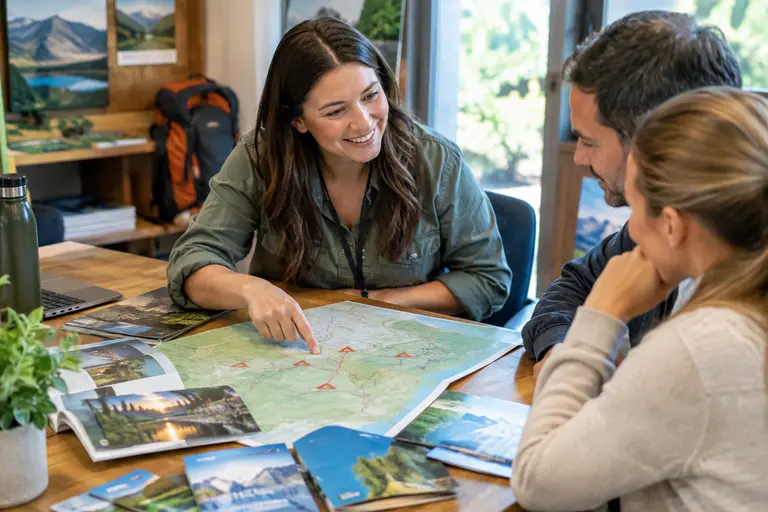
Treat the Balsam Mountain Closure as a hard planning boundary unless the National Park Service posts a change. The site is scheduled to reopen on May 15, 2027, but the first reservable night should still be verified through the booking system once inventory appears. The research notes mention that the booking window can be monitored for openings and cancellations; the cautious approach is to check shortly before travel as well, not only when the reservation is made.
For spring 2027, booking pressure may be uneven. Some travelers will watch the six-month window, while others may wait to see whether weather, roads, and facilities align with their comfort level. That makes cancellation monitoring useful, but it should not encourage last-minute assumptions. A high-elevation site without showers, hookups, or a dump station suits some campers better than others.
Road-trip planners should also separate campground reopening from road readiness. If a route relies on seasonal roads, high passes, or late-winter conditions, confirm access before leaving. BajaTimes has a related planning piece on Smoky Mountains road trip timing that fits this same cautious approach to dates, detours, and access checks. For travelers comparing air-and-road logistics beyond the park itself, exploring different travel options can offer insights into how arrival choices affect ground travel time. A related travel resource, such as Vision Airlines, can be instrumental in understanding these dynamics.
Alternatives While The Campground Is Closed
The National Park Service seasonal facility schedule lists Cades Cove and Smokemont as the only campgrounds open year-round in Great Smoky Mountains National Park, while other campgrounds reopen in spring according to the park seasonal facility schedule. That makes those two campgrounds the official in-park alternatives to check during the Balsam Mountain winter closure, subject to availability and any separate operational notices.
Cades Cove and Smokemont are not direct substitutes for Balsam Mountain in feel, elevation, or location. Choosing one should depend on route, weather tolerance, reservation availability, and the part of the park a traveler wants to visit. If the goal is a high, cooler campground, waiting for Balsam Mountain’s verified reopening may be more realistic than forcing a winter substitute.
How To Compare Alternatives
Start with dates, then look at driving time, campground services, and vehicle fit. Travelers with RVs should check length limits and utility expectations at each campground rather than assuming consistency across the park. Tent campers should compare water access, restroom availability, expected temperatures, and the distance from planned trailheads or scenic drives.
Because winter and early spring travel can bring snow, ice, rain, and wind, the safer planning pattern is flexible lodging plus official status checks. That may mean holding a refundable option outside the park if a campground reopening date is close to your trip.
Balsam Mountain Closure Planning Checklist
The practical lesson from the 2026–2027 closure is that Balsam Mountain requires season-aware planning. Its appeal comes partly from elevation and a quieter campground setting, but those same qualities make timing, weather, facilities, and vehicle limits more consequential.
- Do not plan to camp at Balsam Mountain between October 12, 2026, and the scheduled May 15, 2027 reopening unless the park posts a verified change.
- Confirm the first reservable night through the official booking system before arranging nonrefundable travel.
- Plan for no showers at any time, and remember that potable water and flush toilets are seasonal.
- Check the 24-foot RV and trailer limit before choosing the campground.
- Bring layered clothing, rain gear, and a cold-night sleep setup, even near the edges of the open season.
- Use Cades Cove or Smokemont as the main in-park winter campground alternatives, subject to official availability.
For travelers who want Balsam Mountain specifically, the best plan is patient and date-driven: watch the official reopening schedule, check reservations within the six-month window, verify conditions just before departure, and avoid treating high-elevation spring camping as routine lowland camping. That approach keeps the trip grounded in what the park has confirmed, not what the map makes possible.