Everglades Wildfire Travel changed in practical ways during 2026, especially for visitors using U.S. Route 41, planning Shark Valley stops, or timing trips during periods of smoke and emergency closures. The fires did not affect every park entrance in the same way, but they did show how quickly a park visit can shift from a wildlife drive or tram-road outing to a conditions-checking exercise.
For travelers, the main lesson is not that Everglades National Park should be avoided. The supported record points to a more specific finding: several 2026 fires affected visibility, access, and visitor confidence at different times, with Shark Valley seeing a short full-district closure in late August before reopening on August 24, 2026. That makes current-condition checks more than a formality, especially for visitors building a South Florida road trip around one park day.
How Everglades Wildfire Travel Changed In 2026
The Spring Fire Pattern
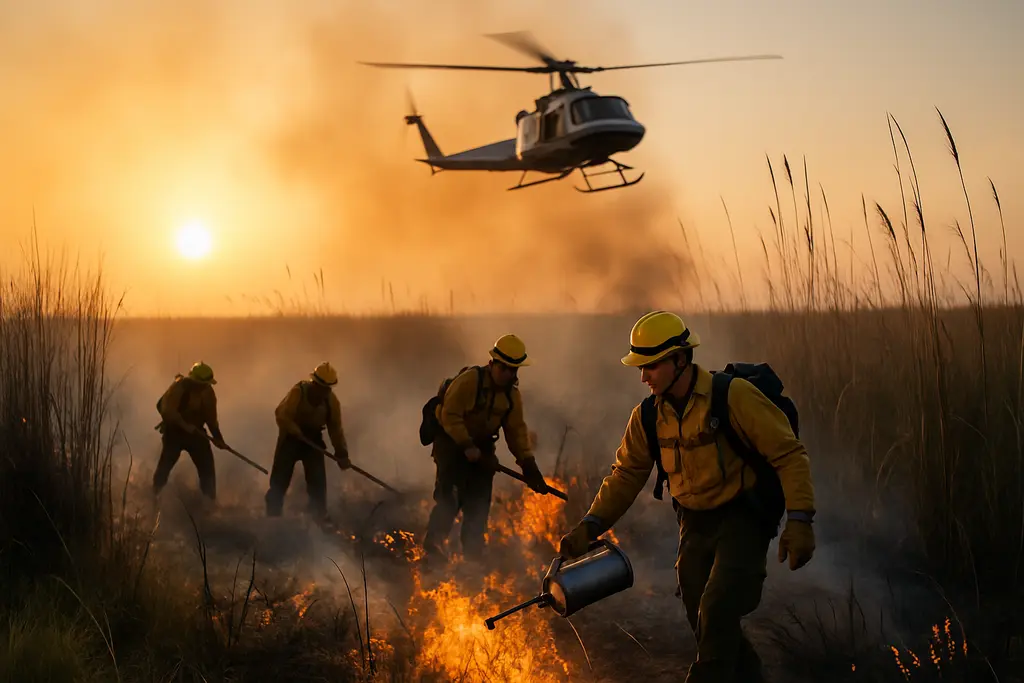
The first major park fire in the research record was the Highway 41 Fire, which ignited on April 27, 2026, in the northeastern corner of Everglades National Park. By mid-day on April 28, it had burned about 2,500 acres, and smoke was affecting visibility along U.S. Route 41, according to the NPS Highway 41 Fire release. By May 2, 2026, the fire had grown to about 8,500 acres, containment was about 20%, and emergency trail and area closures from that incident had been lifted.
Those numbers matter for trip planning because the early impact was not only acreage. Smoke along Route 41 is a direct travel issue for drivers, cyclists, photographers, and wildlife viewers. A visitor may still be able to enter part of the park while another nearby area has reduced visibility or temporary restrictions. That split condition can be confusing if a traveler assumes a single open-or-closed status applies to the whole park.
Other fires in the broader South Florida area added pressure to access planning in May 2026. The Max Road Fire, west of U.S. 27 and Pines Boulevard, had burned 11,090 acres by May 11 and was reported at 60% containment. Smoke from that fire disrupted travel on surrounding major roads. A smaller 172nd Avenue Fire near Florida City had consumed about 300 acres and was about 50% contained by May 11. These incidents were not the same as a closure of the entire national park, but they are relevant because Everglades trips often depend on regional highways and approach roads.
Summer Fires And Smoke
Fire activity continued into summer. The Coptic Fire was ignited by lightning on June 17, 2026, in the park’s northeast. By June 19, it had burned 4,793 acres and was 40% contained, with smoke affecting visibility along U.S. Highway 41, according to the NPS Coptic Fire notice. The Bluegill Fire began on August 2, 2026, about 9 miles east of Shark Valley and roughly 0.25 miles south of Highway 41. By August 3, it had burned about 815 acres and reached 75% containment. Smoke was visible along U.S. Highway 41, and no immediate evacuation orders were reported at that time.
The repeated Route 41 references are significant. Many visitors use that corridor as part of a Miami-to-Everglades or Gulf Coast-to-Miami drive. Smoke can affect comfort, views, and driving conditions even when an attraction is not formally closed. Anyone with respiratory concerns should treat smoke reports as a planning factor, not as background information.
What Changed At Shark Valley
Short Closure, Fast Reopening
Shark Valley became the clearest example of direct visitor-access disruption in late August 2026. The Chipmunk Fire was first reported on August 21, 2026, and had burned about 9,232 acres by August 22, with containment near 30%. The Vulture Fire, reported on August 22, had burned about 286 acres and was about 60% contained. During those fires, the entire Shark Valley District was placed under emergency closure beginning August 22. That closure included the visitor center, trails, parking lots, and Shark Valley Tram Road.
On August 24, 2026, at 1:00 p.m., the Shark Valley area reopened for public and administrative use. At that point, the Chipmunk Fire was estimated at 17,000 acres and about 60% contained. This timing shows why travelers should avoid relying on cached pages, old social posts, or secondhand reports. A closure can be real on one date and lifted two days later, while nearby fire management work may still be active.
Why Shark Valley Matters To Trip Planning
For many first-time visitors, Shark Valley is a central Everglades stop because it offers a defined visitor area and access to the tram road experience. The late-August closure affected exactly those planning elements: parking, visitor information, trails, and the road used for recreation. That kind of closure can disrupt a half-day plan even if other parts of Everglades National Park remain open.
For Everglades Wildfire Travel planning, Shark Valley should be treated as a date-sensitive stop. Travelers should confirm access close to departure, especially if the plan depends on one specific district. If Shark Valley is closed or smoky, visitors may need to adjust expectations rather than force the same schedule. The research provided here does not support claims about alternate operating hours, fees, or replacement services, so those details should be checked directly before booking paid activities.
Access, Timing, And Smoke Considerations
Route 41 Is A Key Planning Point
U.S. Route 41 appeared repeatedly in the 2026 fire record. Smoke affected visibility during the Highway 41 Fire, the Coptic Fire, and the Bluegill Fire period. That makes the road more than a line on a map. It is a practical variable for visitors using Shark Valley, crossing the northern side of the park, or linking Everglades stops with other South Florida destinations.
Drivers should build more flexibility into park days when recent fire activity has been reported near the corridor. That does not mean canceling a trip by default. It means leaving space to change timing, shorten scenic stops, or shift the focus of the day if smoke reduces visibility. It also means avoiding rigid plans that depend on a single sunset view, wildlife stop, or long outdoor session.
Visitor Demand Dropped In June
Visitor numbers also suggest that 2026 was not a normal summer for the park. In June 2026, Everglades National Park recorded 38,583 visits, down 35% compared with June 2025. Year-to-date visits through June were down about 14.7% from the same period in 2025. The research data does not prove that wildfire activity alone caused the decline, and summer heat, storms, travel budgets, and other factors may also affect visitation. Still, the timing is relevant because fire, smoke, and uncertainty can influence whether travelers keep or postpone outdoor plans.
Lower visitation can change the feel of a trip, but it should not be read as a promise of easy access. A less crowded month can still include closed areas, smoky roads, or limited visibility. Travelers should separate crowd expectations from operating conditions.
Planning A Park Visit After Fire Activity
What To Check Before Booking
The safest planning approach is to treat wildfire information as part of the booking process, not as a last-minute weather note. Before reserving lodging, tours, or a rental car itinerary around a specific Everglades stop, visitors should confirm whether the district they want to visit is open, whether smoke has affected nearby roads, and whether any emergency closures have been issued or lifted.
- Check the exact park district named in your plan, not only the park-wide status.
- Pay close attention to U.S. Route 41 if Shark Valley or the northeastern park area is part of the trip.
- Allow time to change the order of activities if smoke reduces visibility.
- Do not assume a lifted closure means all visitor experiences feel normal immediately afterward.
- Confirm paid activities before travel, since the research does not provide current fee or service changes.
Travelers visiting with older relatives or anyone who prefers a slower outdoor pace should be especially cautious about heat, smoke, and long waits in exposed areas. For broader age-aware trip planning ideas, visiting The Silver Liners offers related travel perspectives for those thinking about comfort and access.
How To Read Containment Numbers
Containment percentages can be useful, but they are easy to misread. A fire that is 60% contained may still produce smoke or require management work. A fire that has grown in acreage may still coincide with reopened public areas. The Shark Valley reopening on August 24, 2026, while the Chipmunk Fire was estimated at 17,000 acres and about 60% contained, is a good example of that distinction.
Travelers should read containment, acreage, closures, and smoke reports together. No single number tells the full visitor story. For road-trippers, visibility and access may matter more than acreage alone. For hikers or cyclists, district-specific closures may matter more than whether a distant road remains open.
Everglades Wildfire Travel Decisions After 2026 Fires
The 2026 fire season showed that Everglades trips can remain possible while still requiring more careful timing. The Highway 41, Coptic, Bluegill, Chipmunk, and Vulture fires each affected travel planning in different ways, from smoke along U.S. Route 41 to the temporary closure and reopening of Shark Valley. The supported record does not justify broad claims that the park was unavailable to visitors for the season. It does show that access changed by date and district.
For Everglades Wildfire Travel, the practical decision is whether your trip can absorb uncertainty. If the plan is flexible, a visitor may be able to adjust around smoke or a short closure. If the plan depends entirely on Shark Valley, a specific road segment, or one fixed outdoor activity, recent fire activity should carry more weight in the decision.
The clearest advice is to plan with dates, districts, and road corridors in mind. Ask what happened, where it happened, whether the area has reopened, and whether smoke could still affect the experience. That approach gives travelers a more accurate picture than treating wildfire impact as either no problem or a full cancellation trigger.