Tijuana’s World Cup Fast Lane plan could change how fans think about cross-border travel during the 2026 tournament, but only if travelers understand what the proposal can and cannot do. Local officials have discussed a special World Cup operation that includes border crossings, tourism corridors, and fan-concentration zones, with the possibility of letting certain visitors use Fast Lane access free of charge to return more quickly to the United States. For Baja travelers, that turns the border from a background concern into a central part of the match-day itinerary.
Why Fast Lane Planning Matters During The World Cup
Tijuana’s World Cup role is different from a host city’s role. It is not staging matches inside a stadium, but it is serving as a border-region base for fans, public watch parties, hotel stays, restaurant traffic, and Southern California travel. That makes mobility one of the city’s most important tournament issues.
El Imparcial reported on June 11, 2026, that Tijuana municipal authorities were considering a special operation for World Cup activities, with actions planned at border crossings, tourism corridors, and places where fans were expected to gather. Pedro Montejo Peterson, Tijuana’s Secretary of Economic Development, said the plan included allowing visitors to access Fast Lane free of charge so they could return faster to the United States through the Tijuana World Cup special operation.
That detail matters because match-day travel is not only about where fans watch the game. It is also about how they arrive, how long they stay, what they eat, whether they drink, where they sleep, and how they cross back. A fan who attends a public viewing on Avenida Revolución may still need to return to San Diego, Chula Vista, Orange County, or Los Angeles after the match. Any system that changes return timing can influence the entire trip.
The caution is just as important. A Fast Lane plan should not be treated as guaranteed access until travelers confirm current rules, eligibility, and availability. Border programs depend on official procedures, capacity, and coordination. A smart fan plans for the benefit but does not build the whole trip around an unverified shortcut.
How Baja Fut Fest Created The Need For A Border Strategy
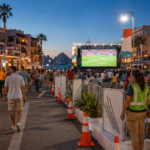
Baja Fut Fest made Tijuana part of the World Cup experience even without a stadium. El Imparcial reported that 52 FIFA World Cup 2026 matches would be transmitted live on Avenida Revolución starting June 11, with public viewing tied to the tournament calendar through the Baja Fut Fest match plan.

That public viewing model changes visitor behavior. A regular weekend in Tijuana may already include food, nightlife, hotels, medical visits, shopping, and cross-border day trips. A World Cup weekend adds match schedules, emotional crowds, group travel, public screens, and fans who may not know the city well.
BajaTimes has already covered how Tijuana Baja Fut Fest turns Avenida Revolución into a World Cup tourism corridor. The Fast Lane proposal adds another layer to that story. It suggests officials understand that the fan experience does not end when the final whistle blows. It ends when visitors return safely, efficiently, and without confusion.
That is why border planning is part of tourism planning. If the public viewing area works but the return trip collapses into uncertainty, the visitor memory changes. A smooth crossing strategy can help restaurants, hotels, bars, and event organizers because it makes Tijuana feel more manageable for fans who are deciding whether to cross for a match.
What Fast Lane Could Actually Change For Fans
Fast Lane access would matter most for visitors who are already considering a same-day or same-night return to the United States. If a fan plans to watch a match in Tijuana and return to San Diego after dinner, a faster return option could make the trip feel more realistic. If a group is deciding between a U.S. sports bar and Baja Fut Fest, return timing may influence the decision.
The biggest change is psychological. Border wait uncertainty discourages spontaneous travel. A traveler may want to experience Tijuana’s World Cup atmosphere but hesitate because the return feels unpredictable. If local authorities can provide a clearer, faster, or better-managed option for certain visitors, more fans may see Tijuana as a practical match-day destination.
The second change is economic. Fans who believe they can return efficiently may be more likely to spend several hours in the city. That can help restaurants around Avenida Revolución, Zona Centro bars, hotels, cafes, ride-share drivers, and vendors tied to match-day foot traffic.
The third change is operational. If more visitors are directed through a specific return mechanism, officials may have a better chance to manage traffic, tourism corridors, and post-match movement. But that only works if the information is clear and the rules are applied consistently.
Why Fans Still Need Official Border Guidance
Even if Tijuana’s Fast Lane plan moves forward, fans still need to follow U.S. border requirements. U.S. Customs and Border Protection has published a FIFA World Cup 2026 travel hub with information on entry requirements, documentation, the Visa Waiver Program, I-94 records, customs declarations, prohibited items, food restrictions, medications, and trusted traveler programs through CBP World Cup travel guidance.
That official guidance matters because a local mobility measure does not replace federal inspection. A faster lane does not remove documentation requirements. It does not make restricted food acceptable. It does not solve visa or ESTA issues. It does not guarantee that a traveler carrying questionable goods will move quickly.
For fans, the practical rule is simple: Fast Lane can affect the route, but CBP rules affect admissibility. The two are connected, but they are not the same thing.
Travelers should also check current border wait times before committing to a return plan. CBP’s border wait-time tool remains useful because real-time conditions can change by port, lane type, day, and match timing. A plan that works after a morning group match may not work after a late knockout match.
San Ysidro, Otay Mesa, And The Route Question
Tijuana fans often talk about “the border” as if it is one fixed experience. It is not. San Ysidro and Otay Mesa serve different movement patterns, and the right choice depends on where someone is in the city, how they are traveling, and what lane or program they can legally use.
San Ysidro is the most recognizable crossing for many pedestrians and drivers moving between Tijuana and San Diego. It may be convenient for Avenida Revolución visitors, but that does not mean it is always the fastest option. Otay Mesa may make more sense for some drivers depending on origin, destination, and wait times. CBX is another option, but only for eligible passengers using Tijuana International Airport.
A World Cup traveler needs to choose the route before the match begins. Waiting until the crowd leaves Avenida Revolución can create problems. Ride-share demand may rise. Streets may change. Restaurants may empty at the same time. Families may be tired. Phones may be low on battery. The wrong crossing decision can turn a good match day into a long return.
The Fast Lane proposal is useful because it pushes fans to think about route design. But route design still requires documents, timing, and realistic expectations.
What Hotels And Restaurants Should Communicate
Tijuana businesses can benefit if World Cup visitors feel the city is easy to navigate. Hotels, restaurants, cafes, bars, and tour operators should treat border guidance as part of hospitality during the tournament.

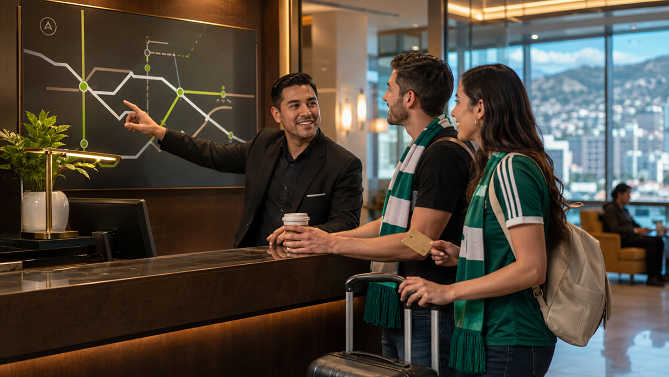
A hotel near Avenida Revolución can help guests by explaining walking routes, expected match crowds, taxi or ride-share pickup areas, and basic return options. A restaurant showing matches can remind visitors that border timing may change after high-demand games. Tour providers can build extra return time into cross-border itineraries. Bars should avoid giving guests unrealistic promises about quick returns after late matches.
This kind of communication is good business. It reduces guest stress, improves the perception of Tijuana, and helps visitors make safer choices after emotional matches. It also supports the city’s broader goal of turning World Cup activity into organized tourism rather than scattered crowd movement.
The best businesses will not simply say, “You can cross fast.” They will say, “Check your eligibility, confirm the lane, review current wait times, keep documents ready, and decide your return route before kickoff.”
Why The Fast Lane Plan Should Be Treated As A Planning Tool, Not A Promise
The most important editorial distinction is that the World Cup Fast Lane idea should be framed as a plan under discussion, not as a universal traveler guarantee. El Imparcial’s report described a contemplated special operation and referenced free visitor access to Fast Lane as part of that planning. Travelers should verify the current status before relying on it for a specific match day.
That matters because overpromising a border shortcut can create real problems. A family may stay later than planned. A driver may choose the wrong crossing. A visitor may assume they qualify for a lane they cannot use. A hotel may give inaccurate advice. A group may miss a flight or work shift.
Tijuana’s tourism opportunity depends on trust. If the city communicates lane options clearly, the Fast Lane plan can make fans more confident. If the rules are vague, the plan can create confusion.
That is why public messaging should answer basic questions: Who qualifies? Which crossings are included? What documents are required? Is access tied to specific events, hotels, permits, or visitor categories? Does it apply to vehicles, pedestrians, or both? What happens after high-demand matches?
What Fans Should Check Before Using Tijuana As A World Cup Base
| Planning Question | Why It Matters | What Fans Should Do |
|---|---|---|
| Is Fast Lane Access Confirmed? | A proposal is not the same as guaranteed eligibility | Verify current city and border guidance before traveling |
| Which Crossing Fits The Trip? | San Ysidro, Otay Mesa, and CBX serve different needs | Choose the route before kickoff |
| Are Documents Ready? | Faster routing does not replace inspection requirements | Keep passports, visas, ESTA, or other documents accessible |
| What Is The Match Timing? | Late games create different return pressure than daytime matches | Plan transport and border timing around the final whistle |
| What Is Being Carried Back? | Food, souvenirs, and medications can affect inspection | Review CBP rules and declare required items |
This checklist is especially important for first-time World Cup visitors, families, and cross-border fans who are not used to moving between Tijuana and Southern California during major public events. The border is manageable when it is part of the plan. It becomes stressful when it is treated as an afterthought.
How This Could Strengthen Tijuana’s World Cup Tourism Role
If handled well, the Fast Lane plan could strengthen Tijuana’s World Cup identity. It would show that the city is not only creating public viewing areas, but also thinking about how visitors move through the border-region system. That matters for a city whose tourism depends heavily on cross-border behavior.
Avenida Revolución can host the fan energy. Restaurants and hotels can capture the visitor economy. Tijuana International Airport and CBX can support air-linked travelers. San Ysidro and Otay Mesa can handle land-crossing movement. But those pieces only work together when fans understand how to connect them.
The Fast Lane proposal is a sign that Tijuana officials see World Cup tourism as a mobility challenge as much as an entertainment opportunity. That is the right frame. Soccer brings people in, but mobility decides whether they come back.
Why Cross-Border Fans Should Plan The Return First
The smartest World Cup trip to Tijuana starts at the end. Fans should decide how they are returning before choosing where to watch. A visitor who plans to stay overnight can enjoy Baja Fut Fest differently from someone who needs to cross back after the match. A family with children needs a different plan from a group of adults staying near Avenida Revolución. A traveler with a morning flight should not rely on a vague return shortcut.
That does not make Tijuana less attractive. It makes it more realistic. The city’s World Cup appeal is built on exactly this mix: public viewing, food, border culture, hotels, airport access, and Southern California proximity. Fast Lane planning could make that mix easier to use, but it should be treated as one tool inside a larger itinerary.
For BajaTimes readers, the takeaway is direct. Tijuana’s World Cup experience can be one of the most interesting in the border region, especially for fans who want more than a stadium seat or a U.S. sports bar. But the return crossing is part of the event. Plan it before the match, verify the current lane rules, and let the border strategy shape the rest of the day.