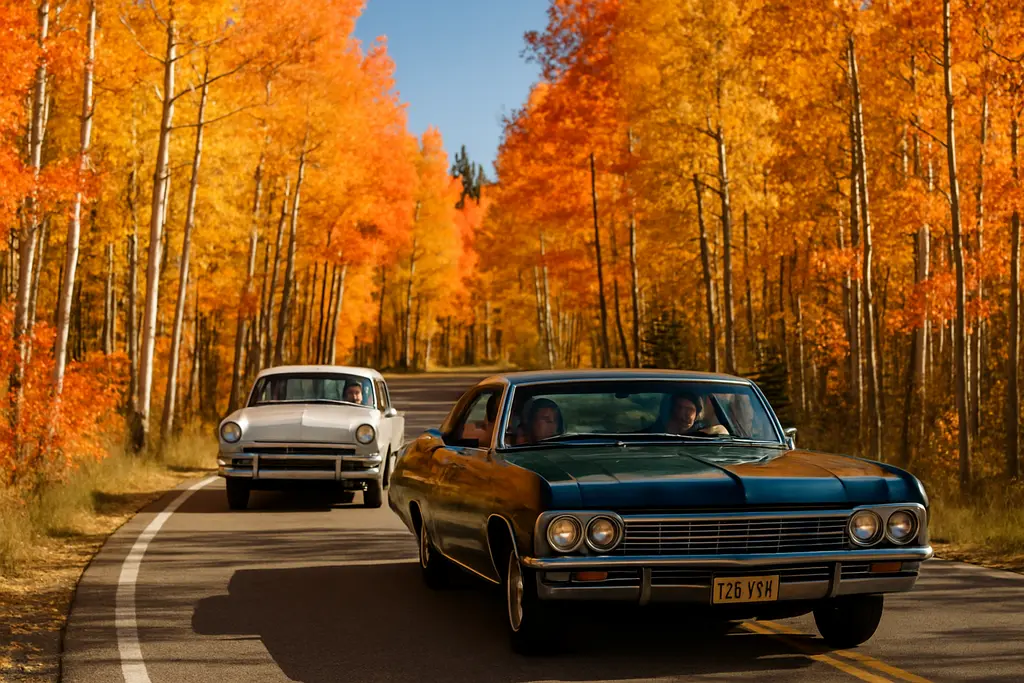
Fall scenic drives reward travelers who plan with dates, elevation, and road access in mind rather than relying on a single peak-color weekend. As of September 6, 2026, several major national park routes are moving toward their most photogenic weeks, but the timing varies sharply between alpine roads in the Rockies and lower, longer autumn corridors in the Appalachians.
For discerning travelers, the planning question is not simply where the color will be strongest. It is whether the road is open, whether services are still operating, whether crowds are concentrated in a short window, and whether lodging or dining expectations match the season. A fall road trip can feel polished and calm, but only if the logistics are treated with the same care as the scenery.
How Fall Scenic Drives Depend On Timing
Why Fall Scenic Drives Need Date Ranges
The strongest fall scenic drives are rarely built around one perfect day. The research points to three different timing patterns. Glacier National Park starts seeing tree color by mid-September, with western larch displays often appearing in mid-October. Rocky Mountain National Park can show fall color from late August into early September at higher elevations, with golden aspens generally peaking by mid-September. Shenandoah National Park stretches the season into late September, October, and November.
That spread matters for travelers pairing scenery with lodging, wine-country-style dining expectations, or a more refined long weekend. A September trip to Rocky Mountain National Park is not the same seasonal bet as a late-October trip along Skyline Drive. The first leans on altitude and early aspen color. The second leans on a longer Appalachian color curve and heavier leaf-viewing visitation.
Access And Cost Questions To Check Before Booking
For fall scenic drives, road access should be checked before hotel cancellation deadlines, not after arrival. The research notes do not provide a confirmed 2026 entry-fee schedule for the parks discussed here, so travelers should verify current pass costs, timed-entry rules if applicable, parking details, and any reservation requirements with the managing agency before paying for nonrefundable lodging.
Seasonal services can also close before the scenery ends. In Glacier, visitor services, camps, and visitor centers often begin closing in late September or early October, even though Going-to-the-Sun Road may remain open longer if weather allows. That distinction is central for travelers who want a polished trip with meals, fuel planning, and comfortable pacing rather than a last-minute drive through limited facilities.
Glacier: Going-To-The-Sun Road And Highway 2
Going-To-The-Sun Road In Mid-September And October
Glacier National Park’s Going-to-the-Sun Road fully opened to motorized vehicles for the 2026 summer season on June 22, 2026, and the park typically keeps it open until the third Monday in October, weather and snow conditions permitting, according to the National Park Service notice. For 2026, that usual third-Monday marker falls on October 19, but the weather caveat is not a formality in alpine terrain.
Glacier’s fall appeal is partly about contrast. By mid-September, trees begin changing color. In mid-October, western larch can turn yellow, creating a different scene from the summer wildflower and lake-view trip many travelers associate with the park. The experience can be more restrained, with cooler days, fewer full-service options, and a greater need to check conditions.
Highway 2, which runs along Glacier’s southern boundary, is another route to consider when larch color is the goal. The research identifies it as one of the better roads for viewing larch displays when the trees turn gold in mid-October. That makes it useful for travelers who want an alternative or supplement to Going-to-the-Sun Road, especially if weather or closures affect higher sections.
What Glacier Travelers Should Treat As Uncertain
Glacier is the clearest case for cautious planning. A road can be technically open while services are thin. A route can be scenic but affected by snow, short daylight, or changing conditions. Travelers should avoid assuming that a mid-October drive will operate like a July visit. Confirm current road status, lodging operations, dining availability, and fuel plans close to departure.
Rocky Mountain: Early Color On Trail Ridge Road
Why The Color Starts High
Rocky Mountain National Park’s fall color begins early compared with many eastern routes. The research notes that foliage can start as early as late August to early September, especially at higher elevations, with golden aspens and peak color generally appearing by mid-September. This makes Rocky Mountain a better fit for travelers who can move before the classic October leaf-viewing period.
The Trail Ridge Road corridor is especially relevant because the National Park Service recommends it for early autumn scenery. Higher alpine areas begin seasonal color changes while mid-mountain zones may still retain greenery. That layered look can be rewarding, but it also means the experience depends on elevation, exposure, and weather rather than one uniform band of color.
Planning The Drive As An Experience
A refined Rocky Mountain trip should allow time for altitude, temperature swings, and slow scenic pullouts. Travelers used to resort corridors or wine-country road weekends may be surprised by how quickly conditions feel more rugged at elevation. Pack for cooler air, confirm access, and give the drive enough time so it does not become a rushed out-and-back between reservations.
For a wider road-trip mindset, those looking to compare travel pacing and mature vacation planning may find related perspectives at The Silver Liners. The insights provided focus on how the most fulfilling journey aligns with individual energy, seasonal conditions, and accessible routes, rather than chasing the boldest postcard promises.
Shenandoah And Blue Ridge Parkway In October

Shenandoah’s Longer Autumn Window
Shenandoah National Park offers a longer fall season than the high-elevation western routes discussed above. The research notes that its fall season spans late September, October, and November, with average daytime temperatures in those months ranging from 49°F to 60°F. The “Leaf Peeper” period draws heavy visitation in October and early November, and the third week in October is cautiously described as a good guess for peak color in many parts of the park by Visit Shenandoah Valley.
That word, cautiously, is useful. Shenandoah is a strong choice for travelers who need more date flexibility, but it is still not a fixed-color appointment. Elevation, weather, and tree mix can shift the experience from one overlook to another. Skyline Drive is the core park route, and the planning advantage is that visitors can work with a longer seasonal window than they might have in the Rockies.
Blue Ridge Parkway Timing
The Blue Ridge Parkway connects the Great Smoky Mountains to Shenandoah and is identified in the research as one of the top scenic drives for fall. The supplied notes point to mid-October through early November as the best 2026 foliage window for that route. For vacation planning, that makes it a logical pairing with Shenandoah if travelers have enough time and are prepared for heavier leaf-season demand.
This is also where expectations should be controlled. A longer corridor does not mean every mile peaks at the same time. Travelers should think in segments, build in daylight, and leave room for slower traffic. For those pairing the drive with inns, restaurants, or small-town stops, reservations may matter more than the drive distance suggests.
Choosing America’s Fall Scenic Drives
America’s fall scenic drives ask travelers to make tradeoffs. Glacier offers dramatic mountain roads and larch color, but access and services become more uncertain as October advances. Rocky Mountain offers early aspen color and high-elevation contrast, but the strongest timing may arrive before many travelers think of autumn travel. Shenandoah and the Blue Ridge Parkway offer a longer October-to-early-November planning window, with heavier visitation during leaf-viewing weeks.
- Choose Glacier if mid-September to mid-October timing works and you are prepared to verify road and service status close to departure.
- Choose Rocky Mountain if an early to mid-September trip fits your calendar and you want aspen color with alpine terrain.
- Choose Shenandoah if you need a longer fall window and can plan around October and early-November visitation.
- Consider the Blue Ridge Parkway for a longer corridor between Great Smoky Mountains and Shenandoah, especially from mid-October into early November.
The best route is the one whose timing matches the traveler’s tolerance for uncertainty. In 2026, that means using explicit dates, checking road status before departure, and treating fall scenic drives as seasonal travel plans rather than simple sightseeing loops.