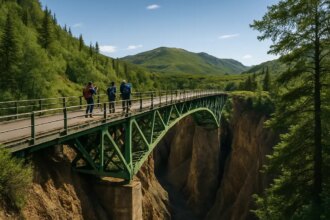
Big Bend Travel changed in a practical way after federal border infrastructure work inside Big Bend National Park was paused in August 2026. The pause did not turn the park into a simple yes-or-no travel story. For visitors, it created a planning question: what parts of the park experience remain straightforward, what parts need extra checking, and how should travelers think about access, road conditions, river trips, lodging, and timing before committing to a long drive into far West Texas?
As of September 5, 2026, the clearest verified point is that the construction activity had already been halted, not that every concern tied to the project had disappeared. The park is large, remote, and tied closely to the Rio Grande corridor, so even a temporary pause can matter for trip planning. Travelers should treat the pause as a reason to check current conditions, not as a promise that routes, views, river access, or construction-related decisions will stay unchanged.
What Changed For Big Bend Travel
Big Bend Travel And The August 17 Pause
On August 17, 2026, Customs and Border Protection announced a temporary suspension of all construction activities inside Big Bend National Park. The pause was ordered so CBP Commissioner Rodney Scott could conduct an on-the-ground evaluation and consult local law enforcement and stakeholders, according to The Washington Post. For travelers, the timing matters because the decision came after work had already begun earlier in August.
The halted work involved a border patrol road that had been planned to run the length of the park, with vehicle barriers and surveillance cables in certain areas. That is not a minor planning detail for a destination where many visitors come for long drives, quiet desert routes, river corridors, and the feeling of distance from major development. Even when construction is paused, the possibility of future work can affect how outfitters, lodging operators, repeat visitors, and first-time road-trippers assess a trip.
What The Pause Does Not Confirm
The pause does not confirm a permanent cancellation of the project. It also does not, by itself, confirm that every road, trail, overlook, or river-access point has the same status it had before August 2026. The safer reading is narrower: construction activity inside the park was temporarily suspended, and further review was expected. That distinction is useful for visitors because it keeps trip planning grounded in what has been stated rather than in assumptions.
Environmental and cultural resource concerns were part of the public debate around the work, including concerns involving habitat, Indigenous sites, and blasting risks in terrain such as Mariscal Mountain. Those issues affect more than policy arguments. They also shape the visitor experience because Big Bend’s appeal depends heavily on open desert views, river canyons, quiet roads, and the sense that the park’s scale has not been heavily altered.
Access, Distance, And Border-Area Context
The Park Is Large And Remote
Big Bend National Park covers 801,163 acres and includes 118 miles of border along the Rio Grande, according to the National Park Service’s guidance on visiting a border area. That scale is central to the travel issue. A project affecting the border corridor is not happening on the edge of a small urban park; it is tied to a broad desert park where driving distances, fuel planning, heat exposure, and river access already require care.
For visitors, that means a pause in infrastructure work can reduce one type of near-term uncertainty while leaving other practical questions in place. Big Bend trips often require advance lodging reservations, long approach drives, and coordination with outfitters or camping plans. If a traveler is booking from Austin, San Antonio, El Paso, Dallas, or another distant city, even a small change in park access can affect the value of the trip.
Border-Area Planning Requires Clear Expectations
Big Bend’s identity as a national park and a border area means visitors should plan with more precision than they might for a shorter urban park visit. Travelers should be prepared for remote driving, limited services in parts of the region, and the need to verify official park information close to departure. The construction pause reduces the immediate likelihood of active construction disruption in the affected areas, but it does not remove the need to check alerts and access information.
This is especially relevant for visitors planning river trips, camping, scenic drives, or canyon-focused travel. Local concerns in the research record centered on access to popular areas such as Santa Elena Canyon, possible changes to scenery, and the potential effect on return visitation. Those concerns are not the same as confirmed closures, but they are useful signals for how closely visitors should read official updates before booking nonrefundable plans.
Practical Booking Checks Before You Go
What To Confirm Before Paying
Before booking lodging, guided river time, or a long road trip, travelers should verify the latest status directly with official park information and with any permitted outfitter they plan to use. If a plan depends on one road, one canyon, one river launch, or one overnight campground, build in a backup. Big Bend rewards patience, but it is not a destination where travelers should assume that a single access plan will fit every condition.
- Check current park alerts, road information, and visitor guidance before departure.
- Ask outfitters whether river access, meeting points, or trip logistics have changed.
- Use lodging policies that allow changes if access conditions shift before arrival.
- Plan fuel, food, water, and daylight driving time conservatively because services are spread out.
- Confirm whether any planned activity depends on a road or corridor affected by the construction debate.
Cost And Timing Remain Trip-Specific
The available research does not support giving a single reliable cost estimate for visitors affected by the pause. Costs will vary by lodging type, driving distance, fuel needs, outfitter choices, and whether a traveler changes dates. The careful approach is to avoid prepaid plans that depend on uncertain access unless the provider offers clear change terms.
Timing is also specific. The research notes include reporting that ground-disturbing activity had been paused through September 30, 2026, but visitors should verify the current legal and agency status because construction decisions can change after that date. For a fall 2026 trip, the most practical strategy is to check conditions before booking, again one week before leaving, and once more shortly before entering the park.
How The Pause Affects The Visitor Experience
Scenic Drives And Road-Trip Expectations
For many visitors, Big Bend is experienced as much through the windshield as on foot. Long approach roads, desert light, canyon views, and quiet pullouts are part of the trip. A pause in construction may reduce immediate concern about active work zones inside the park, but travelers should not treat that as a guarantee that every view or route will be unaffected later in 2026.
Drivers should also separate two issues: park access and road-trip readiness. Even without construction activity, a Big Bend trip can involve long distances, limited services, and weather exposure. If you are comparing this kind of remote Western driving with mountain routes or high-elevation road planning, the same network’s high-altitude driving coverage offers a useful point of reference for thinking about preparation, though Big Bend’s desert setting brings different conditions.
River Trips, Guides, And Local Businesses
The pause matters to local travel businesses because visitor decisions are often made weeks or months ahead of arrival. If travelers believe construction could limit access, change scenery, or make a trip feel less rewarding, they may delay booking. If they believe the pause has settled every question, they may book too quickly without checking details. Neither approach is ideal.
Guided river trips, campground plans, and scenic-drive itineraries are most exposed to uncertainty when they depend on a specific corridor. BajaTimes has also covered related planning questions in its piece on Big Bend access after the construction pause, which fits the same traveler concern: what remains open, what needs checking, and how to avoid overreading a temporary halt.
What Travelers Should Watch Through September 2026
Agency Decisions And On-The-Ground Status
The most relevant travel question through September 2026 is whether the pause remains only a temporary review period or leads to a clearer change in project scope. A temporary halt can give visitors, outfitters, and local communities breathing room, but it does not provide the same certainty as a formal long-term decision. That is why travelers should keep plans flexible if their trip depends heavily on river corridors, border-adjacent roads, or a specific canyon experience.
Travelers should also pay attention to how information is worded. “Paused,” “suspended,” “extended,” and “canceled” do not mean the same thing. For trip planning, those differences matter. A paused project may still affect staffing, staging, local traffic, or future schedules. A canceled project would carry different implications, but that is not established by the supported facts here.
How To Read Uncertainty Without Overreacting
Big Bend Travel does not need to stop because of the project pause, but it should become more deliberate. Visitors who are flexible, who check current information, and who avoid nonrefundable assumptions are better positioned than those who plan from old habits. The park’s distance from major cities makes this especially true; a last-minute access surprise can cost more time and money than it would at an easier-to-reach destination.
For many travelers, the better response is not cancellation. It is a more cautious booking pattern: refundable lodging where possible, direct confirmation with outfitters, realistic driving times, and a willingness to shift from one activity to another if conditions change. That approach protects the trip without overstating the risk.
Big Bend Travel Planning After The Pause
A Practical Read For Fall Visitors
Big Bend Travel after the August 2026 pause should be planned around verified access, not assumptions. The most reliable facts are that CBP paused construction activities inside the park on August 17, 2026, the work had involved a border patrol road with related infrastructure in certain areas, and the park itself is a large border-area destination with 118 miles along the Rio Grande. Those facts are enough to justify extra planning, but they do not support broad claims that the park is closed or that every visitor experience has changed.
The best travel posture is measured. If you are planning a trip, check official park information close to your dates, ask direct questions of lodging and river operators, and keep flexibility in the parts of the trip most tied to border-adjacent access. The pause may reduce immediate disruption, but the planning environment remains active. For a remote park like Big Bend, that means careful preparation is not extra work; it is part of making the trip hold together.