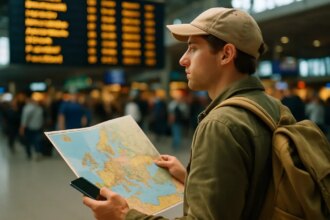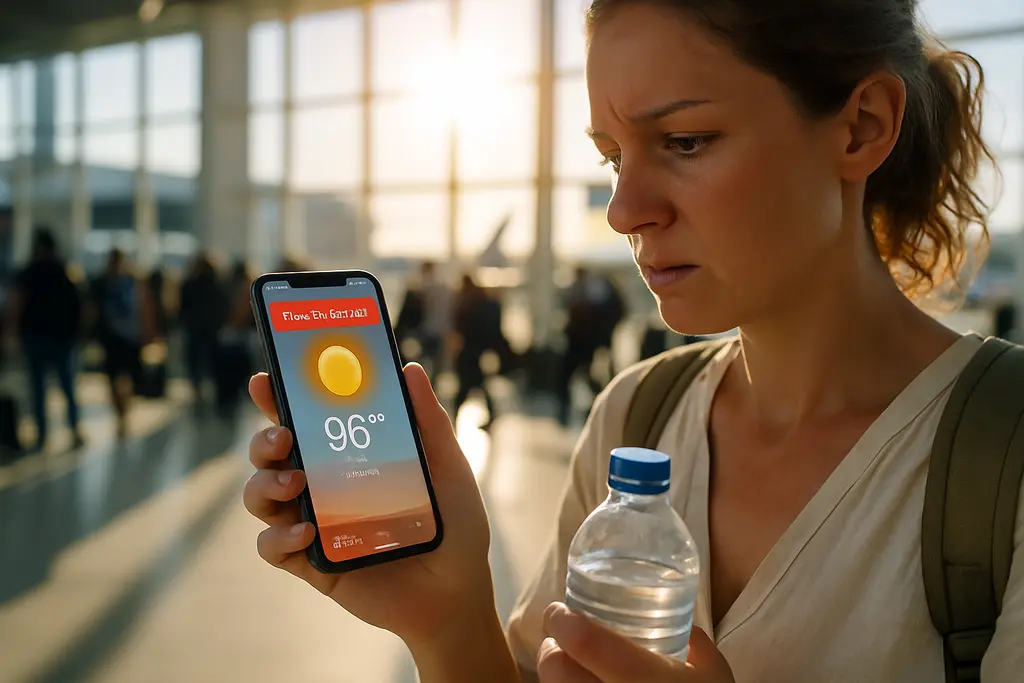
Southeast Heat Advisories should change how travelers plan road trips, city weekends, beach days, and outdoor stops across the region on September 4, 2026. The issue is not only high afternoon temperatures. High humidity, heat index values above the air temperature, and warm nights can make a trip feel harder than expected, especially for visitors who planned long walks, outdoor dining, hiking, sports events, or scenic drives with limited cooling stops.
The Southeast is also not seeing these conditions in isolation. As of August 14, 2026, the CDC reported that 61% of major cities in the Southeastern U.S. showed increasing trends in heat waves, with longer seasons and more intense events than in any other U.S. region, according to the CDC Southeast climate-health profile. For travelers, that means heat should be treated as a regular planning factor, not an unusual interruption.
Southeast Heat Advisories And Trip Timing
How Southeast Heat Advisories Affect Visitors
Heat advisories are practical travel signals. They tell visitors that the most comfortable version of a trip may require earlier starts, shorter outdoor blocks, longer indoor breaks, and more flexibility than a standard summer schedule. Drought.gov notes that state criteria for issuing a Heat Advisory typically involve heat index values expected to reach 100°F or higher for at least two days, with overnight temperatures not falling below about 75°F, although thresholds vary by place, as outlined in Drought.gov public health data.
That local variation matters. A traveler moving from the mountains of East Tennessee to the Carolina coast, or from Atlanta-area roads toward central Alabama, should not assume the same threshold, timing, or risk level applies across the whole route. Heat index values depend on humidity as well as air temperature, so shaded streets, sea breezes, tree cover, and indoor access can make a real difference in comfort, even when official temperatures look similar.
For travelers, Southeast Heat Advisories are not a reason to cancel every plan by default. They are a reason to change the order of the day. Outdoor activity fits better in the early morning when possible. Midday through early evening is the harder window, especially for walking tours, exposed viewpoints, unshaded parking lots, theme-park-style queues, urban festivals, roadside photo stops, and any activity that asks visitors to carry gear.
What The Current Advisories Mean On September 4, 2026
Regional Examples To Read Carefully
Research notes for September 4, 2026, show several active or near-term heat concerns across the Southeast. Across southeast North Carolina and northeast South Carolina, heat index values of 105°F to 109°F were expected amid high humidity and limited overnight cooling. Local Heat Advisories were reported in effect from 11 AM to 8 PM EDT on Friday, September 4, 2026.
In central Alabama, the heat index was projected to reach 106°F, with advisories reported through 8 PM CDT on Saturday, September 5, 2026. Portions of East Tennessee, including the Northern Cumberland Plateau and valley areas, were under advisory conditions with afternoon heat index values of 100°F to 105°F expected, ending at 8 PM EDT on Friday, September 4, 2026.
Those examples show why travelers should check destination-specific forecasts before leaving the hotel, campground, rental house, or airport. A regional road trip can cross several advisory zones in one day. If the plan includes a scenic overlook, a college-town walk, a historic district, a coastal boardwalk, or a roadside food stop, the timing and available shade may matter as much as the mileage.
Why Warm Nights Change Recovery Time
Warm nights deserve attention because the body has less time to cool down after a hot day. Research notes identify limited overnight cooling as part of the risk. That affects travelers who pack several outdoor-heavy days back to back, sleep in poorly cooled lodging, camp without reliable airflow, or arrive after a long drive already fatigued.
For lodging decisions, air conditioning should be confirmed before booking when heat is in the forecast. Travelers using older inns, vacation rentals, cabins, budget motels, or campgrounds should verify cooling access directly with the property or operator. If a room, cabin, or campsite cannot cool down overnight, the next day’s sightseeing may start with a higher fatigue load.
How To Build Cooler Days Around Access And Timing
Outdoor Plans Need A Heat Window
A smarter travel day under heat advisory conditions starts with the hardest outdoor activity first, then shifts indoors or into shaded, lower-effort spaces. That can mean walking a historic district at sunrise, choosing a short nature trail rather than a long exposed route, visiting an air-conditioned museum during the hottest part of the day, and saving restaurant patios for evening only if temperatures have eased.
Road trippers should treat cooling access like fuel planning. Before taking a scenic drive, identify towns, visitor centers, grocery stores, hotels, libraries, museums, or restaurants where the group can pause in air conditioning. On rural routes, do not assume every stop has indoor seating, late hours, or reliable water access. Fees, opening times, and parking rules can change, so confirm directly with the destination before building the day around a single stop.
Flight arrival times also matter. A midday landing followed by a rental-car pickup, uncovered shuttle wait, and long drive can be more tiring than it looks on a map. Travelers comparing air routes can use airline and aviation context from sites like Vision Airlines while still checking the operating airline and airport for current schedules, terminal guidance, and delay notices. This ensures a smoother travel experience even when the heat poses challenges.
Packing For Humidity, Not Just Sun
Humidity changes what travelers need in a day bag. Light, loose clothing, sunscreen, water, and electrolytes are practical basics. A hat, sunglasses, refillable bottle, and a small towel can help on city walks or roadside stops. Families may want extra water for children before they feel thirsty, not only after they ask.
- Move strenuous outdoor plans to early morning when practical.
- Schedule indoor breaks during midday and early evening heat.
- Confirm air conditioning before booking lodging or long stops.
- Carry water and electrolytes, especially on walking-heavy days.
- Check local forecasts from the National Weather Service, Heat.gov, and CDC heat tools before departure.
Travelers should also be cautious with alcohol-heavy afternoons, long lines in direct sun, and parking far from the destination entrance. None of these details may look serious on a written itinerary, but together they can make a humid day far less comfortable.
Who Needs Extra Margin During Heat Advisory Travel

Groups More Affected By Extreme Heat
The CDC identifies several groups that can be affected more by extreme heat: pregnant people, people with heart or lung conditions, older adults, young children, outdoor workers, athletes, unhoused people, and people in incarcerated settings. For travel groups, that means planning should be based on the person with the lowest heat tolerance, not the person most eager to keep moving.
Families traveling with grandparents, infants, young children, or anyone managing a medical condition should build in more indoor time and avoid treating a full outdoor itinerary as fixed. Sports travel needs the same caution. Youth tournaments, road races, training camps, and long spectator days can involve repeated heat exposure, even for people who consider themselves fit.
Comfort Planning Is Also Access Planning
Heat planning is closely tied to access. A destination may technically be open, but the experience changes if visitors must walk long distances from parking, wait outside for timed entry, climb exposed stairs, or stand in lines without shade. Before booking a tour or attraction, ask how much time is outdoors, whether there is seating, whether water can be carried, and whether reentry is allowed after a cooling break.
This also applies to advisories and changing travel conditions. A cautious planning method can help before booking routes, hotels, and tours; BajaTimes has covered a related approach to smarter trip choices when advisories affect destination planning. The same principle applies here: confirm the condition that matters most before money is committed.
Southeast Heat Advisories Travel Planning
A Practical Way To Adjust Without Losing The Trip
Travelers do not need to abandon the Southeast during hot periods, but they do need a more flexible structure. Start with official local forecasts, then rank each planned activity by heat exposure. Anything strenuous, unshaded, or far from indoor cooling should move earlier, shorten, or be replaced. Lodging with dependable cooling is not a luxury during advisory conditions; it is part of the trip plan.
Treat Southeast Heat Advisories as a timing and access alert. Ask whether the day has enough water, shade, indoor recovery, transportation flexibility, and backup options. If the answer is no, adjust before the group is tired. The better trip is often not the one that covers the most ground, but the one that keeps people comfortable enough to enjoy where they are.