Baja California Sur’s 390,000 projected July tourists show that summer demand is moving beyond Los Cabos because the state’s travel economy now depends on a wider set of destinations, routes, lodging styles, and seasonal decisions. Los Cabos remains the global anchor, but July 2026 demand also points travelers toward La Paz, Loreto, Todos Santos, Mulegé, Comondú, coastal road trips, marine activities, historic towns, and quieter beach corridors where planning matters just as much as resort selection.
The official state forecast is strong. Baja California Sur’s government said the state expected an average hotel occupancy rate of 70% in July 2026, with more than 390,000 tourists arriving at lodging establishments and an estimated economic impact of 2.069 billion pesos, according to Tourism and Economy Secretary Maribel Collins. For visitors, the number should not be read only as a sign that Los Cabos is busy. It should be read as a summer planning signal for the entire peninsula’s southern half.
Why The 390,000-Tourist Forecast Matters
Baja California Sur’s official July forecast says the state expected more than 390,000 tourists in lodging establishments, 70% average hotel occupancy, and an estimated 2.069 billion pesos in economic impact during the summer vacation season. The state government framed the outlook as proof of continued confidence from domestic and international visitors through the Baja California Sur summer tourism forecast.
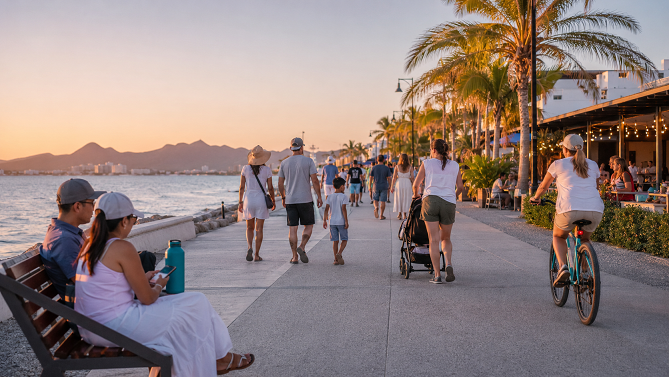
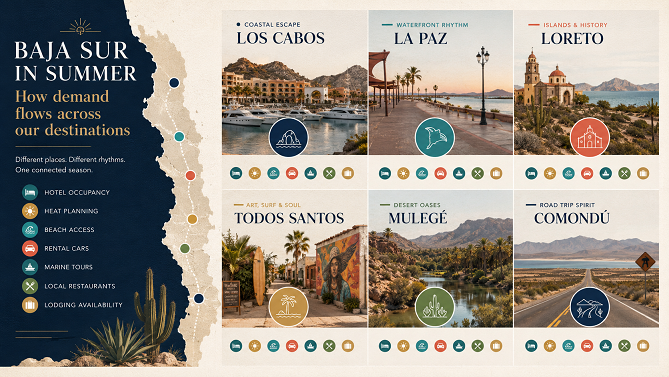
That number matters because Baja California Sur is not one destination. It is a state with multiple travel identities. Los Cabos has luxury resorts, golf, nightlife, marina activity, and international airlift. La Paz has the malecón, Balandra, Espíritu Santo access, and a slower waterfront rhythm. Loreto has mission history, islands, fishing, and the Gulf of California. Todos Santos has art, surf, boutique hotels, and Pacific sunsets. Mulegé and Comondú offer road-trip, desert, oasis, and small-town experiences.
A 390,000-tourist July forecast means demand is big enough to affect more than resort corridors. It can shape hotel availability, restaurant reservations, guided tours, rental cars, ferry or air connections, beach access, and highway planning across several municipalities.
For travelers, the practical question is no longer “Should we go to Los Cabos?” The better question is which Baja California Sur trip fits the season, the heat, the budget, the travel group, and the available time.
Why Los Cabos Is Still The Anchor, But Not The Whole Story
Los Cabos remains the best-known gateway into Baja California Sur for many U.S., Canadian, and Mexican travelers. Its airport access, resort inventory, marina, beaches, golf courses, restaurants, and event calendar make it the state’s most visible tourism engine. A large share of first-time visitors still build their trip around Cabo San Lucas or San José del Cabo.
That does not mean all summer demand stays there. Once travelers understand the broader state, they often start comparing Los Cabos with La Paz, Todos Santos, Loreto, and smaller coastal towns. Some want a resort pool and direct flights. Others want a road trip, lower-key beach access, art galleries, fishing, island tours, or a quieter family stay.
Visit Mexico describes Baja California Sur as a state that moves from Cabo San Lucas sunsets to Todos Santos, Loreto’s colonial character, and La Paz’s natural wonders through its Baja California Sur destination guide. That framing is useful because it places Los Cabos inside a wider travel map rather than treating it as the only reason to visit the state.
The July demand story should be understood the same way. Los Cabos may generate much of the visibility, but the state’s travel appeal now spreads across several corridors.
How La Paz Benefits From Travelers Seeking A Different Summer Pace
La Paz is one of the clearest examples of summer demand moving beyond Los Cabos. It offers a waterfront city experience, access to beaches such as Balandra and El Tecolote, island excursions, seafood, sunsets, and a malecón that works well for evening movement after hot days.
La Paz does not feel like Cabo, and that is part of its appeal. Travelers who find resort-heavy trips too packaged may prefer the city’s slower structure. A La Paz stay can still include marine activities and beach time, but the daily rhythm is different: early departures for tours, afternoon rest, sunset walks, casual restaurants, and a stronger local-city feel.
The official Visit Baja Sur site organizes La Paz as one of the state’s core destination areas alongside Los Cabos, Loreto, Mulegé, and Comondú through the Visit Baja Sur destination portal. That official structure reinforces the idea that Baja California Sur is promoted as a multi-destination state, not a single resort market.
Travelers should still plan carefully in July. Heat, sun exposure, tour availability, beach access rules, and water needs matter. La Paz can reward visitors who move early, rest during the hottest part of the day, and avoid overloading the itinerary.
Why Loreto And Mulegé Matter For Road-Trip Travelers
Loreto and Mulegé are important because they show how Baja California Sur’s demand can stretch north along the Gulf of California. Loreto offers mission history, island access, fishing, kayaking, and a quieter town base. Mulegé and Bahía Concepción offer scenic road-trip appeal, beaches, desert landscapes, and a more remote feel compared with the resort south.
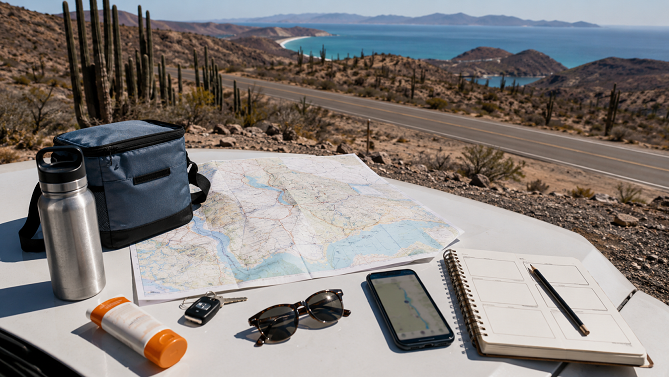
These destinations do not work the same way as Los Cabos. Travelers often need more patience, more driving awareness, and more comfort with smaller-town logistics. That can be a strength. The visitor who wants a less resort-focused trip may find the Loreto-Mulegé corridor more rewarding than a packed resort zone.
The planning challenge is distance. Baja California Sur looks simple on a map, but driving times can be long, services can be spaced out, and summer conditions can be demanding. Travelers should check fuel, lodging, water, phone coverage, and route timing before treating the peninsula like a short coastal drive.
For BajaTimes readers, this is where the July forecast becomes useful. Strong statewide demand can affect places where lodging supply is smaller. A small destination does not need Los Cabos-sized crowds to feel full. Booking ahead matters in towns with limited room inventory.
How Todos Santos Fits The Beyond-Los-Cabos Trend
Todos Santos sits close enough to Los Cabos to work as a side trip, but it has become strong enough to stand on its own for many travelers. The town’s Pueblo Mágico identity, art galleries, boutique hotels, surf access near Cerritos and Pescadero, and Pacific-side food scene make it a natural alternative for visitors who want a smaller destination with character.
Todos Santos is also a good example of how demand can spread from a major gateway. Many visitors arrive through Los Cabos International Airport, then drive north for a different atmosphere. That makes Los Cabos part of the trip without being the whole trip.
This kind of split-stay travel is becoming more important. A traveler might spend two nights in San José del Cabo, two nights in Todos Santos, and one night in La Paz. Another might base in Los Cabos and take day trips. A more ambitious traveler might add Loreto or Mulegé on a longer itinerary.
BajaTimes has already covered how Baja California Sur tourism growth is positioning the state as a higher-value, experience-driven destination. The July forecast adds a summer lens to that story. Travelers are not only arriving; they are choosing among several Baja California Sur identities.
Why July Travel Needs Heat And Timing Awareness
July demand does not erase July conditions. Baja California Sur can be hot in summer, especially away from coastal breezes or during midday movement. Travelers need to plan around heat, hydration, sun exposure, and realistic activity windows.
This matters across the state. In Los Cabos, pool time and shaded resort planning can make summer easier. In La Paz, early beach or boat plans may feel better than midday wandering. In Loreto or Mulegé, road-trip timing and vehicle preparation become more important. In Todos Santos, walking, dining, and beach time may work best around morning and evening rhythms.
Summer visitors should not build a schedule that assumes every activity can happen comfortably at any hour. A better itinerary uses mornings for active plans, afternoons for rest or shaded meals, and evenings for walking, dining, or sunset viewing.
The same is true for marine activities. Tour operators may adjust around weather, sea conditions, and seasonal rules. Travelers should confirm directly with operators rather than relying on old blogs or generic itinerary pages.
How Hotel Occupancy Changes The Planning Window
A projected 70% average hotel occupancy does not mean every destination is 70% full every night. Some places may be much busier on weekends, near beaches, during events, or around high-demand lodging categories. Boutique hotels, family-friendly properties, waterfront stays, and road-trip towns with limited rooms can sell out faster than the average suggests.
Travelers should treat the 70% figure as a reason to book with intention. Waiting may still work in large resort areas, but it can be risky for smaller towns or specific property types. The same applies to rental cars, guided tours, restaurants, and boat excursions.
| Destination Area | Summer Appeal | Planning Limit To Watch |
|---|---|---|
| Los Cabos | Resorts, marina, dining, golf, beaches | Heat, pricing, resort demand, airport timing |
| La Paz | Malecón, Balandra, island tours, seafood | Beach access, tour timing, summer sun |
| Loreto | Mission history, islands, fishing, quieter stays | Limited rooms, distance, marine conditions |
| Todos Santos | Art, surf, boutique hotels, Pacific sunsets | Weekend demand, road timing, restaurant reservations |
| Mulegé And Comondú | Road trips, desert, beaches, oasis towns | Long drives, services, fuel, lodging supply |
This table shows why the statewide forecast is useful but incomplete. Travelers need to translate the state-level number into the destination they are actually visiting.
Why Domestic And International Demand Are Both Important
Maribel Collins said the July outlook reflects Baja California Sur’s continued appeal to national and international travelers. That matters because the state has to serve different visitor patterns at once. Domestic travelers may travel by air, road, family groups, or seasonal vacation periods. International travelers may arrive through Los Cabos, connect to resort stays, or build broader Baja itineraries.
These groups do not always use the same services. A domestic family may prioritize road access, value, and beach time. An international couple may prioritize resort amenities, marine tours, and dining reservations. A Mexican road-tripper may combine Todos Santos, La Paz, and Loreto. A Canadian or U.S. traveler may fly into Los Cabos and then test a side trip.
Strong demand from both groups makes planning more competitive. Restaurants, tours, hotels, and transportation providers may be serving several markets at once. Businesses that explain access, booking rules, cancellation policies, and seasonal limits clearly can serve that mixed demand better.
For visitors, the key is to avoid assuming that summer is automatically low-pressure because it is hot. The official forecast says the opposite: July still brings major visitor volume.
Why Tourism Spread Can Help Smaller Communities
When demand moves beyond Los Cabos, smaller communities can benefit from more balanced visitor spending. A traveler who adds La Paz may support waterfront restaurants, tour guides, local shops, and small hotels. A traveler who stays in Todos Santos may support galleries, cafés, surf schools, and boutique lodging. A visitor who continues to Loreto or Mulegé may bring spending to places that are not built around the same resort model.
That spread can be healthy for the state’s tourism economy, but it has to be managed carefully. Smaller destinations may have limited water resources, smaller road networks, fewer hotel rooms, and less tolerance for sudden crowd spikes. Tourism growth can help local businesses, but unmanaged demand can strain communities.
This is why “beyond Los Cabos” should not be treated as a slogan. It should be treated as a planning framework. Travelers should respect local capacity, book directly where possible, avoid overusing fragile beach areas, and follow official rules around protected spaces.
Baja California Sur’s future travel strength will depend on making more destinations visible without overwhelming the qualities that make them attractive.
How Travelers Should Build A Better Baja California Sur Itinerary
The best Baja California Sur itinerary starts with the trip’s purpose. A resort vacation, family beach trip, art-town weekend, fishing trip, island-tour plan, or road-trip route will each point to a different base.
A Los Cabos-first traveler should decide whether a side trip to Todos Santos or La Paz is realistic. A La Paz traveler should plan beach and island activities around official rules, operator schedules, and heat. A Loreto traveler should think about flights, rental cars, and whether to add Mulegé. A road-tripper should avoid pushing too far in one day, especially in summer.
The temptation in Baja California Sur is to overbuild the route. The distances and scenery make everything look possible. The better approach is to choose fewer stops and give each one enough time. A rushed itinerary can turn the state’s variety into fatigue.
Travelers should also check weather, road conditions, lodging cancellation policies, tour operator rules, and transportation before arrival. July demand can reward early planners and punish assumptions.
Why Summer Demand Beyond Los Cabos Changes The Visitor Conversation
Baja California Sur’s 390,000 projected July tourists change the summer travel conversation because they show a state becoming more than its most famous destination. Los Cabos remains central, but La Paz, Loreto, Todos Santos, Mulegé, and Comondú all help explain why travelers continue to choose Baja California Sur in the summer heat.
That shift is good news for visitors who want more than a resort stay. It creates more ways to experience the state: waterfront walks, island excursions, art towns, road trips, quiet missions, fishing villages, desert beaches, and food stops that feel tied to place.
It also raises the bar for planning. Higher statewide demand means travelers should book lodging earlier, respect summer conditions, avoid last-minute assumptions, and match the destination to the kind of trip they actually want.
Baja California Sur’s July forecast is not only a tourism success story. It is a reminder that the state’s summer demand is now spread across a wider travel map. The visitors who understand that map will have the best chance of building a trip that feels realistic, memorable, and better matched to the season.