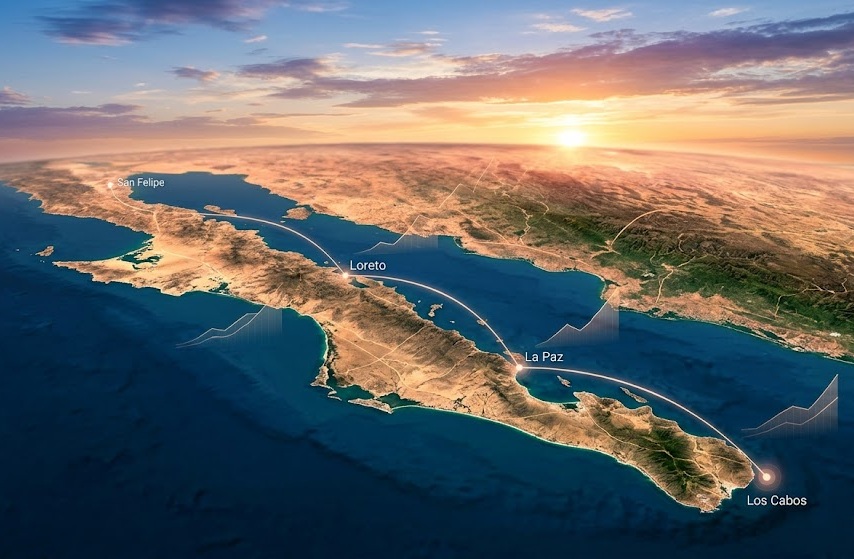
In 2026, Baja California Sur has officially reached a new level of global recognition, ranking as Mexico’s third most important tourism destination. This milestone reflects years of steady growth, strategic positioning, and a clear shift toward high-value, experience-driven travel.
According to recent tourism data and industry reports, the region—anchored by destinations like Los Cabos, La Paz, and Loreto—has seen sustained increases in international arrivals, hotel occupancy, and tourism revenue. What makes this surge notable is not just the volume of visitors, but the type of travelers Baja is attracting.
This is no longer just a beach destination. Baja California Sur is becoming a multidimensional tourism hub that blends luxury, eco-tourism, culinary innovation, and accessibility.
The Role Of Los Cabos As A Global Gateway
At the center of this growth is Los Cabos, which continues to act as the region’s primary international gateway. With expanded air connectivity, a booming luxury hotel pipeline, and strong demand from North American travelers, Cabo has become one of Mexico’s most reliable tourism engines.
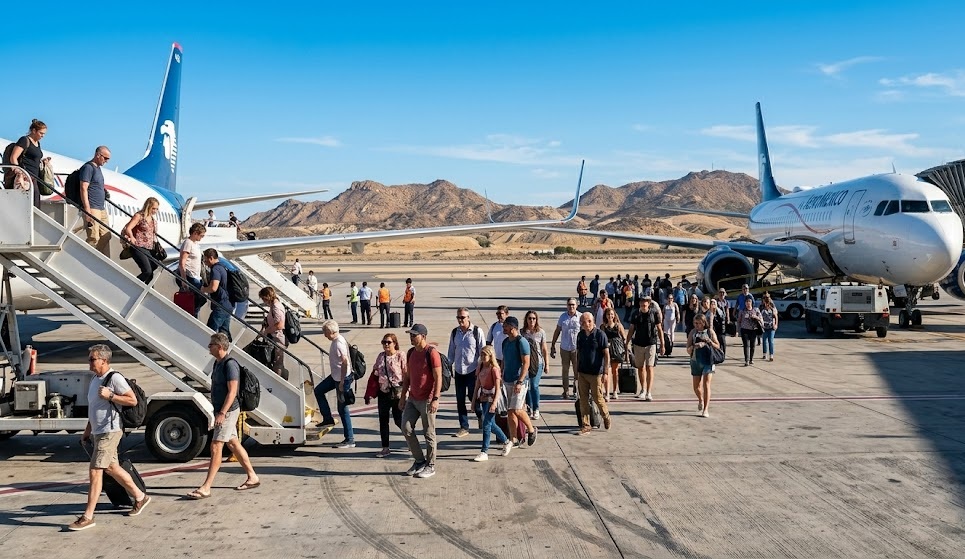
Los Cabos International Airport has seen consistent increases in passenger traffic, supported by new direct routes from major cities in the United States and Canada. This ease of access has made the destination more attractive for both short-term visitors and repeat travelers.
Beyond accessibility, Cabo’s ability to deliver **premium experiences—from high-end resorts to curated dining—**has positioned it as a competitive alternative to global destinations like Hawaii or the Caribbean.
Eco-Tourism And The Sea Of Cortez Advantage
While Cabo drives volume, the broader appeal of Baja California Sur is deeply tied to the Sea of Cortez, one of the most biodiverse marine environments in the world.
Destinations like La Paz and Loreto are benefiting from the rise of eco-tourism, offering experiences such as whale shark encounters, snorkeling in protected areas, and marine wildlife tours. These activities are not only attracting visitors—they are shaping how the region is marketed globally.
For travelers interested in exploring this side of Baja, this guide to Sea of Cortez eco-tourism experiences highlights why the region continues to stand out as a leader in sustainable travel.
This combination of natural beauty and responsible tourism practices is a key driver behind Baja’s rising status.
Infrastructure Investment Is Supporting Growth
Tourism growth at this scale requires infrastructure to keep pace. Baja California Sur has made significant investments in recent years to support its expanding visitor base.
These include:
- Airport expansions and modernization projects
- Improved highway connections between key destinations
- Upgrades in digital systems for travel compliance and tourism management
These improvements are not just about convenience—they are about creating a more seamless and predictable travel experience, which is increasingly important for international visitors.
As the region continues to grow, infrastructure will play a critical role in determining how sustainable that growth can be.
The Shift Toward High-Value Tourism
One of the most important trends behind Baja’s rise is its deliberate move toward high-value tourism. Instead of focusing solely on increasing visitor numbers, the region is prioritizing travelers who spend more and stay longer.

This strategy is reflected in:
- The expansion of luxury resorts and boutique hotels
- Growth in culinary tourism and chef-driven dining experiences
- Increased emphasis on eco-conscious and curated travel
The result is a tourism model that generates more economic impact per visitor while reducing pressure on infrastructure and natural resources.
How Baja Compares To Other Mexican Destinations
Baja California Sur’s rise to the third spot places it among Mexico’s most competitive tourism regions.
| Destination | Strength | Travel Profile |
|---|---|---|
| Cancun / Riviera Maya | Mass tourism, all-inclusive resorts | High volume |
| Mexico City | Culture, history, gastronomy | Urban exploration |
| Baja California Sur | Luxury + eco-tourism + accessibility | High-value travelers |
This positioning allows Baja to differentiate itself by offering a balanced mix of exclusivity, nature, and innovation, rather than relying on a single tourism model.
The Economic Impact Of Tourism Growth
Tourism is now one of the most important economic drivers in Baja California Sur. The increase in visitors has led to:
- Higher employment in hospitality and service industries
- Growth in local businesses tied to tourism
- Increased government revenue through taxes and fees
Unlike destinations that rely heavily on mass tourism, Baja’s approach is creating a more diversified and resilient economy, where benefits extend beyond major resorts to smaller communities.
Why Global Attention Is Increasing
Baja California Sur’s rise is not happening in isolation. It is part of a broader global trend where travelers are seeking destinations that offer authentic experiences, natural beauty, and sustainability.
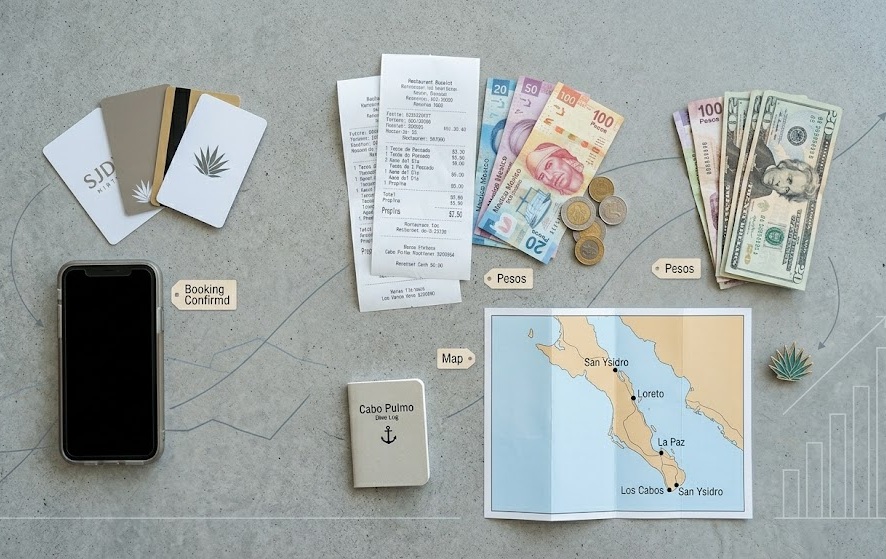
International media and tourism organizations have increasingly highlighted the region as a model for modern travel development. According to recent analysis by Baja California Sur tourism growth report, the state’s combination of luxury infrastructure and eco-tourism is a key factor behind its global rise.
This visibility is reinforcing Baja’s position as a destination that is both desirable and strategically important within Mexico’s tourism landscape.
What This Means For Travelers In 2026
For travelers, Baja California Sur’s growth translates into more options, better infrastructure, and a higher overall quality of experience.
However, it also means:
- Increased demand during peak seasons
- Rising prices in key areas like Los Cabos
- Greater need for advance planning
The upside is that visitors are gaining access to a destination that is evolving rapidly, offering experiences that are both diverse and increasingly refined.
A Destination Entering A New Era
Reaching the position of Mexico’s third top tourism destination is more than a milestone—it is a turning point.
Baja California Sur is transitioning from a regional favorite to a globally recognized destination, capable of competing with some of the most established travel markets in the world.
The challenge moving forward will be maintaining balance—ensuring that growth continues without compromising the natural and cultural assets that define the region.
For now, the trajectory is clear. Baja is not just growing—it is redefining what tourism in Mexico can look like in 2026 and beyond.