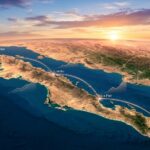
Los Cabos has always benefited from proximity to the United States, but in 2026, that advantage is being amplified by a wave of new direct flight routes connecting the destination to more cities than ever before.
Major airlines including American Airlines, Delta, United, Southwest, Alaska Airlines, and Air Canada have expanded their schedules, adding seasonal and year-round direct flights from key markets such as New York, Chicago, Vancouver, Dallas, and even smaller regional hubs.
This surge in connectivity is not just improving convenience—it is fundamentally reshaping Cabo’s tourism model by making the destination faster, easier, and more predictable to reach, particularly for high-value travelers.
Why Airlines Are Expanding Routes To Los Cabos
The increase in direct flights reflects strong and sustained demand. Los Cabos has consistently ranked among Mexico’s top international destinations, attracting millions of visitors annually and maintaining high occupancy rates even outside peak seasons.
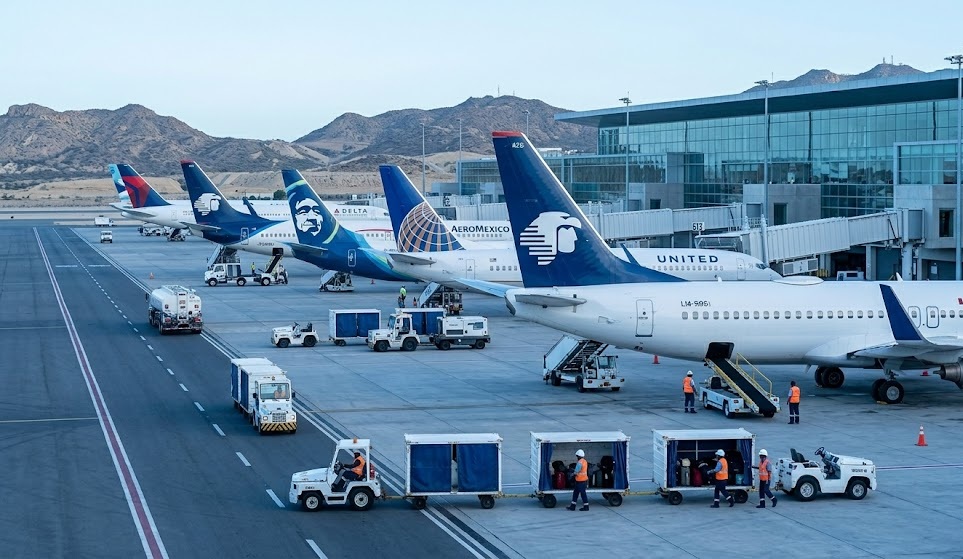
Airlines are responding to several factors:
- Strong leisure travel demand from North America
- Growth in luxury tourism and high-spending visitors
- Reliable year-round weather and destination appeal
Unlike emerging destinations, Cabo offers airlines a level of stability that reduces risk. Flights are easier to fill, and the customer base tends to book earlier and spend more.
This combination has made Los Cabos one of the most competitive markets for airlines operating routes into Mexico.
New Routes And Expanded Capacity In 2026
The 2026 expansion includes both increased frequency on existing routes and entirely new connections from underserved markets.
Airlines are focusing on:
- Direct flights from secondary U.S. cities
- Expanded Canadian routes during winter months
- Increased frequency from major hubs like Los Angeles and Dallas
Here’s a snapshot of how connectivity is evolving:
| Region | Key Cities With Direct Flights | Trend |
|---|---|---|
| United States | Los Angeles, Dallas, Chicago, New York | Higher frequency and year-round routes |
| Canada | Vancouver, Calgary, Toronto | Expanded seasonal demand |
| Mexico (Domestic) | Mexico City, Guadalajara | Strong domestic connectivity |
The result is a network that allows travelers to reach Cabo with fewer connections and shorter travel times.
How Easier Access Is Changing Travel Behavior
One of the most immediate impacts of expanded air routes is a shift in how travelers plan trips.
With more direct flights available, Cabo is becoming:
- A viable option for shorter stays and long weekends
- Easier to book on short notice
- More appealing for repeat visits
Travelers who previously viewed Baja as a once-a-year destination are now returning multiple times, often driven by convenience rather than cost.
This change is particularly important for high-income travelers who prioritize time efficiency over price sensitivity.
The Link Between Air Access And Tourism Growth
Air connectivity is one of the strongest predictors of tourism growth, and Los Cabos is a clear example of this relationship in action.

As flights increase, so does:
- Hotel occupancy
- Demand for tours and activities
- Investment in new developments
This creates a feedback loop. More flights bring more visitors, which in turn justifies additional investment in infrastructure and hospitality.
For travelers looking to understand how this growth is impacting the destination, this breakdown of Cabo’s luxury hotel expansion highlights how increased access is fueling development across the region.
Economic Impact On Baja California Sur
The expansion of direct flights is not just a convenience—it is a major economic driver.
Tourism accounts for a significant portion of Baja California Sur’s economy, and improved air access directly supports:
- Job creation in hospitality and transportation
- Growth of local businesses serving tourists
- Increased tax revenue for infrastructure and services
Unlike other forms of infrastructure investment, air connectivity has an immediate and measurable impact. Each new route brings a consistent flow of visitors, supporting both large resorts and smaller local operators.
Challenges Of Rapid Air Connectivity Growth
While increased access brings clear benefits, it also introduces challenges.
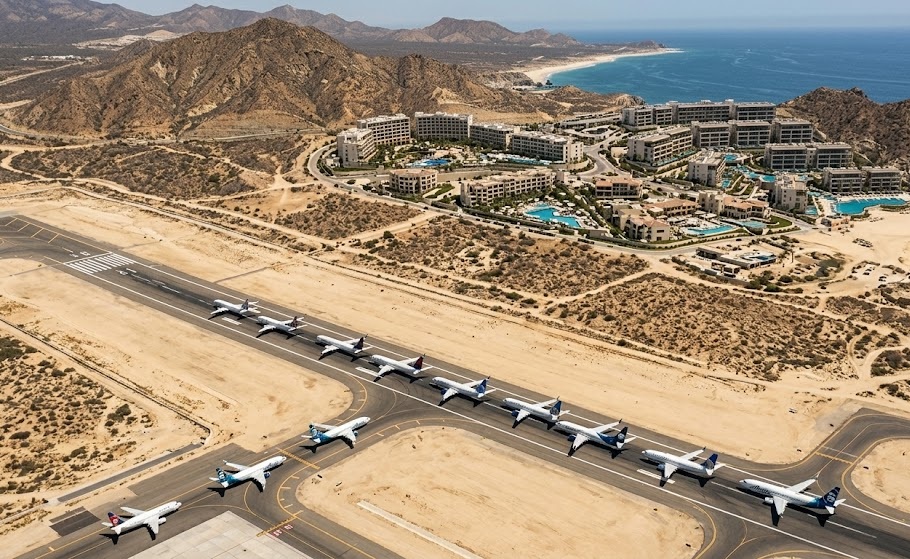
More flights mean more visitors, which can lead to:
- Pressure on local infrastructure
- Increased demand for water and energy resources
- Greater environmental impact on coastal ecosystems
These issues are already being discussed as part of Baja’s broader sustainability strategy. Managing growth will require balancing accessibility with preservation—ensuring that Cabo remains attractive without becoming overdeveloped.
How Cabo Compares To Other Mexican Destinations
Los Cabos stands out in Mexico for its level of international connectivity. While destinations like Cancun also benefit from strong air networks, Cabo’s proximity to the U.S. West Coast gives it a unique advantage.
| Destination | Air Connectivity | Travel Time From U.S. |
|---|---|---|
| Los Cabos | High (direct routes expanding) | 2–5 hours |
| Cancun | Very high (global hub) | 3–6 hours |
| Puerto Vallarta | Moderate | 2–5 hours |
This accessibility is one of the reasons Cabo continues to attract both first-time visitors and repeat travelers.
What This Means For Travelers In 2026
For travelers, the expansion of direct flights translates into a more flexible and accessible travel experience.
It means:
- Shorter travel times with fewer connections
- Greater choice in departure cities and schedules
- Increased opportunities for last-minute trips
At the same time, easier access can lead to higher demand during peak periods, making early booking more important for securing the best options.
A Destination Becoming Easier To Reach—And Harder To Ignore
Los Cabos is entering a new phase of growth defined by accessibility. As airlines continue to expand their networks, the destination is becoming easier to reach than ever before.
But this convenience comes with a broader implication: Cabo is no longer just a desirable destination—it is an increasingly unavoidable one in the North American travel landscape.
For travelers, that means more opportunities to visit. For Baja California Sur, it means navigating the delicate balance between growth and sustainability in a region that continues to attract global attention.