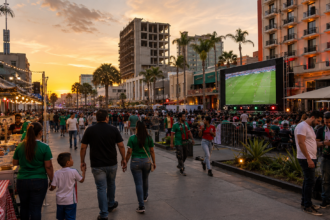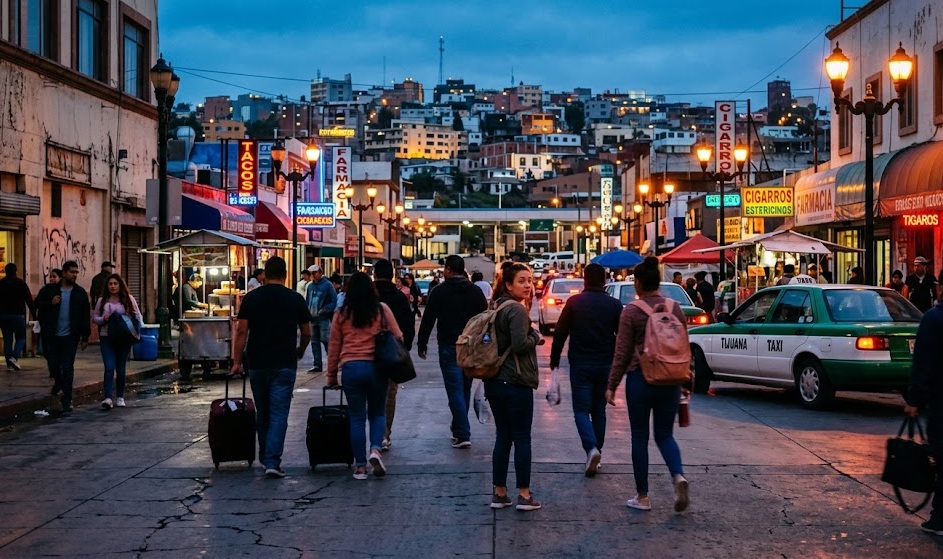
Tijuana has always occupied a unique position in Mexico’s tourism landscape—dynamic, fast-changing, and deeply influenced by its proximity to the United States. In 2026, the city is once again commanding international attention, not for nightlife or quick border crossings, but for something far more enduring: its culinary scene.
Driven by a new generation of chefs and the continued evolution of Baja Med cuisine, Tijuana is reemerging as one of Mexico’s most exciting food destinations. Travelers from Southern California and beyond are crossing the border specifically to dine, turning the city into a cross-border gastronomic hub.
This resurgence is not accidental—it reflects years of culinary innovation, cultural fusion, and growing global recognition.
Why Food Travelers Are Crossing The Border Again
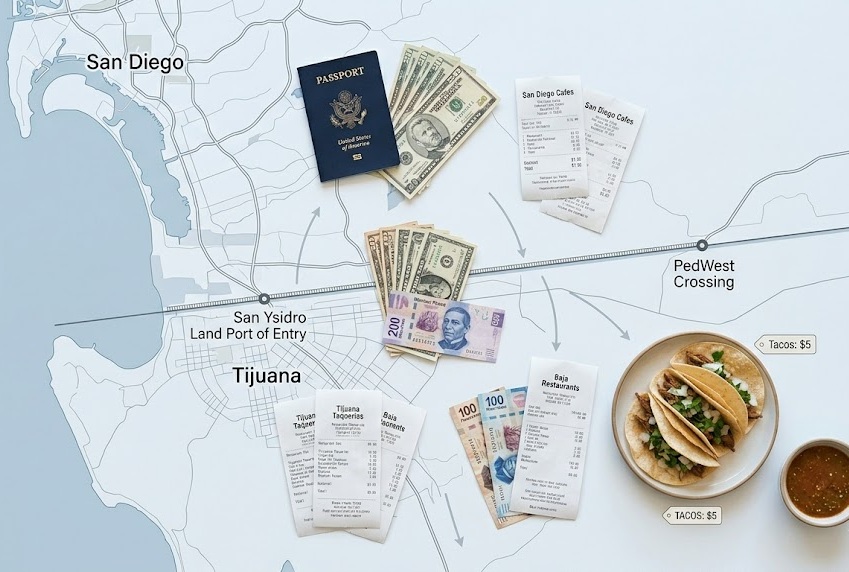
One of the most notable trends in 2026 is the steady increase in day-trip food tourism from San Diego to Tijuana. With border wait times improving and pedestrian crossings becoming more streamlined, visiting Tijuana for a meal has become more accessible than ever.
For many travelers, the appeal lies in contrast. Within minutes of crossing the border, they encounter:
- A more experimental and less commercialized food scene
- Lower price points for high-quality dining
- A cultural energy that feels distinct from U.S. cities
This proximity allows Tijuana to function almost like an extension of Southern California’s dining ecosystem—while maintaining its own identity.
The Role Of Baja Med Cuisine In Tijuana’s Revival
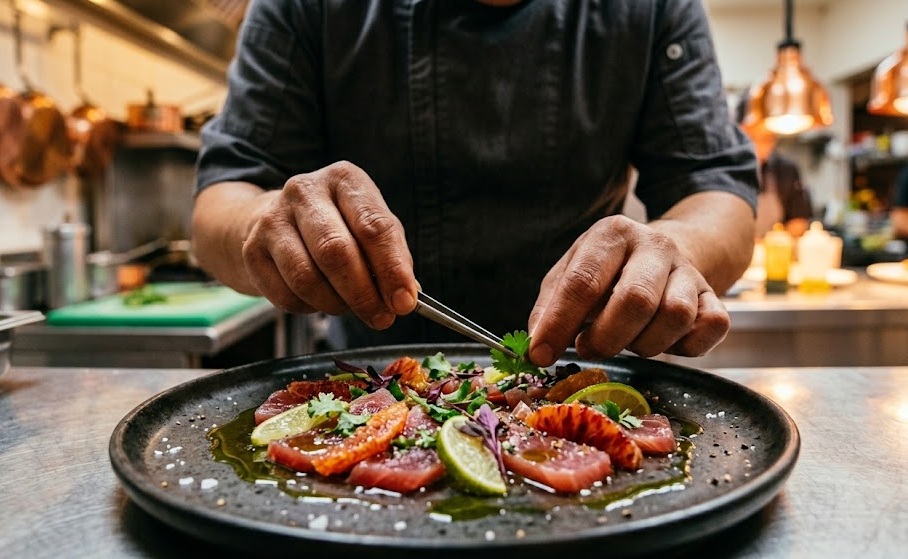
At the heart of Tijuana’s culinary rise is Baja Med cuisine, a movement that blends Mexican ingredients with Mediterranean and Asian influences. Chefs like Javier Plascencia, widely credited as one of the pioneers of Baja Med, have played a key role in shaping the region’s global reputation.
In Tijuana, this culinary philosophy is expressed through:
- Seasonal, locally sourced ingredients
- Creative reinterpretations of traditional Mexican dishes
- A strong emphasis on seafood and regional produce
Restaurants across the city are building menus that reflect both innovation and place, offering experiences that feel rooted yet globally relevant.
For travelers exploring Baja’s broader food identity, this guide to Baja Med cuisine trends provides a deeper look at how this movement is shaping dining across the peninsula.
A Diverse Food Scene Beyond Fine Dining
While Tijuana’s high-end restaurants receive much of the attention, the city’s strength lies in its diversity. Street food, casual eateries, and modern fusion spots all contribute to a layered culinary ecosystem.
Visitors can move seamlessly between:
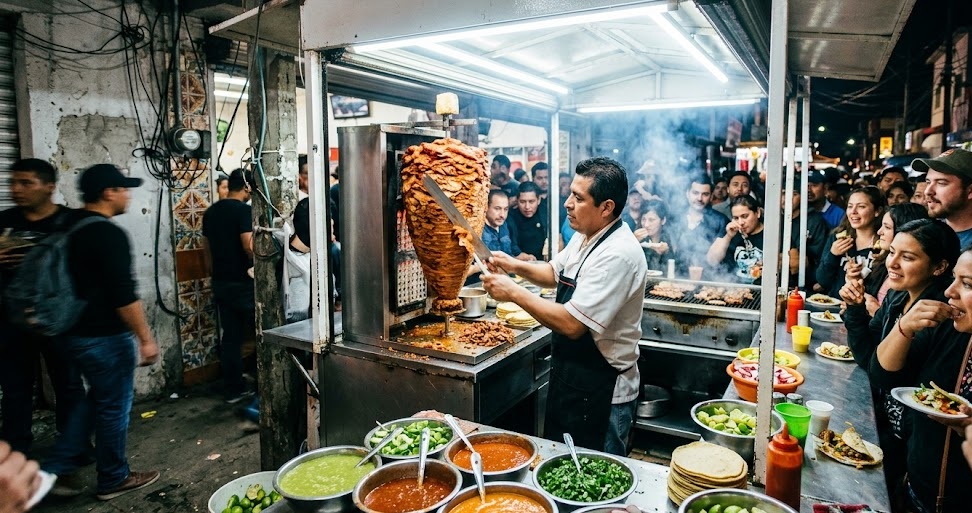
- Street-side taco stands serving adobada and birria
- Craft breweries pairing local beers with innovative menus
- Chef-driven restaurants offering tasting experiences
This range allows Tijuana to appeal to a wide spectrum of food travelers—from casual explorers to dedicated culinary enthusiasts.
International Recognition Is Fueling Growth
Tijuana’s culinary scene is benefiting from increasing recognition in global media and food rankings. Restaurants in Baja California, including those in nearby Valle de Guadalupe, have been featured in prestigious lists such as Latin America’s 50 Best Restaurants, drawing attention to the region as a whole.
This visibility is translating into real-world impact. More international visitors are adding Tijuana to their itineraries, often combining it with trips to wine country or coastal destinations further south.
According to the Latin America’s 50 Best Restaurants rankings, the Baja region has become one of the most closely watched culinary areas in Mexico, reinforcing its growing influence.
How Tijuana Compares To Other Mexican Food Destinations
Tijuana’s appeal lies in its ability to offer something different from traditional culinary capitals like Mexico City or Oaxaca.
| Destination | Culinary Identity | Travel Experience |
|---|---|---|
| Mexico City | Traditional + modern fine dining | Large, complex urban scene |
| Oaxaca | Heritage cuisine | Deep cultural immersion |
| Tijuana | Fusion and innovation | Fast-paced, cross-border energy |
This positioning makes Tijuana particularly attractive to travelers looking for new interpretations of Mexican cuisine, rather than strictly traditional experiences.
The Economic Impact Of Cross-Border Food Tourism
Food tourism is becoming a significant economic driver for Tijuana. Day-trippers and short-stay visitors contribute directly to:
- Restaurant revenues
- Local employment in hospitality
- Growth of supporting industries like craft beer and agriculture
Unlike traditional tourism, which often concentrates spending in hotels, food tourism distributes economic benefits across a wider network of local businesses.
This model supports a more resilient and diversified local economy, particularly important in a city with Tijuana’s dynamic character.
What This Means For Travelers Visiting Baja In 2026
For travelers planning a trip to Baja California, Tijuana is increasingly becoming more than just a transit point—it is a destination in its own right.
A visit to the city offers:
- Access to one of Mexico’s most innovative food scenes
- The ability to experience cross-border cultural fusion
- A gateway to exploring the broader Baja culinary landscape
For those continuing south, pairing a stop in Tijuana with destinations like Ensenada or La Paz creates a more complete picture of Baja’s evolving food identity.
A Culinary Gateway To Baja’s Future
Tijuana’s resurgence is not just about the city—it is about the direction of Baja as a whole.
As culinary innovation spreads across the peninsula, from Valle de Guadalupe’s vineyards to Los Cabos’ fine dining scene, Tijuana serves as a gateway to this transformation.
It represents a version of Baja that is bold, experimental, and deeply connected to its cultural roots.
For food travelers in 2026, crossing the border into Tijuana is no longer just convenient—it is essential.