
Travelers often assume that memorable vacations require oversized budgets. In reality, thoughtful planning, seasonal awareness, and smart allocation of spending can deliver a richer experience at a fraction of the cost. The key is not spending less blindly — it’s spending strategically.
An affordable vacation should never feel restrictive. Instead, it should focus on high-impact experiences, authentic culture, and careful timing. Whether you’re planning a coastal escape, a desert retreat, or a culinary-focused trip, these principles help maximize both value and enjoyment.
Define Experience Priorities Before Budget Categories
Many travelers begin by setting a hard spending limit. A better approach starts with identifying what matters most.
Is your priority:
- Swimmable beaches?
- Local food experiences?
- Outdoor adventure?
- Cultural immersion?
- Boutique accommodations?
When you define what creates value for you, it becomes easier to reduce spending in lower-impact areas. For example, you might choose a modest hotel if you plan to spend most of your time exploring beaches and restaurants.
This experience-first mindset ensures you protect the elements that truly shape your trip.
Travel During Shoulder Season For Maximum Value
Seasonality is one of the most powerful tools for affordable travel planning.
In destinations like Baja California Sur, shoulder seasons — typically late fall and late spring — offer:
- Lower hotel rates
- Fewer crowds
- Ideal weather conditions
- Easier restaurant reservations
For example, understanding the best time for calm waters can help you align budget savings with optimal swimming conditions. Our guide to the best swimmable beaches in Baja California Sur outlines seasonal water differences that can influence both safety and overall enjoyment.
Traveling just outside peak holiday windows can reduce accommodation costs by 20–40% without sacrificing climate quality.
Choose Location Strategically
Location influences transportation costs, dining expenses, and daily convenience.
Staying slightly outside major tourist corridors often provides:
- Better nightly rates
- More authentic local restaurants
- Reduced congestion

However, savings should not come at the cost of excessive transportation expenses. Calculate ride shares, rental cars, or public transport costs before committing to a distant property.
Sometimes paying slightly more for central lodging reduces total trip spending.
Allocate Budget Based On Daily Value
Rather than treating your budget as one fixed pool, break it into daily value categories.
| Category | Budget Strategy |
|---|---|
| Lodging | Moderate comfort, prime location |
| Dining | Mix of local eateries and one signature meal |
| Activities | Prioritize 1–2 premium experiences |
| Transportation | Minimize car rentals if walkable |
This allocation method ensures you avoid overspending early in the trip and creates room for flexibility.
Embrace Free And Low-Cost Experiences
Many of the most meaningful travel moments cost very little.
In coastal regions, public beaches, scenic drives, and sunset viewpoints provide immersive experiences without entrance fees. Cultural districts, local markets, and community events also deliver strong value.
Consult official tourism resources for verified event calendars and public attraction information before your trip.
Affordable travel doesn’t mean eliminating activities — it means choosing high-return experiences.
Book Flights With Flexibility
Airfare often represents the largest upfront expense. Using flexible date searches and midweek departures can produce significant savings.
Additionally:
- Book 1–3 months in advance for domestic travel
- Monitor fare alerts
- Compare nearby airports
If visiting Baja California Sur, consider comparing Los Cabos International Airport with regional flight options when feasible.
Be Intentional With Dining
Food defines a destination’s identity. An affordable vacation should never remove culinary exploration — it should refine it.
Instead of dining at high-end restaurants every evening:
- Schedule one standout dinner
- Explore local seafood markets
- Visit neighborhood taco stands
- Choose lunch specials over dinner pricing
Balancing indulgence with authenticity often produces both better flavor and better savings.
Avoid Hidden Costs That Erode Savings
Budget travel fails when hidden fees accumulate.
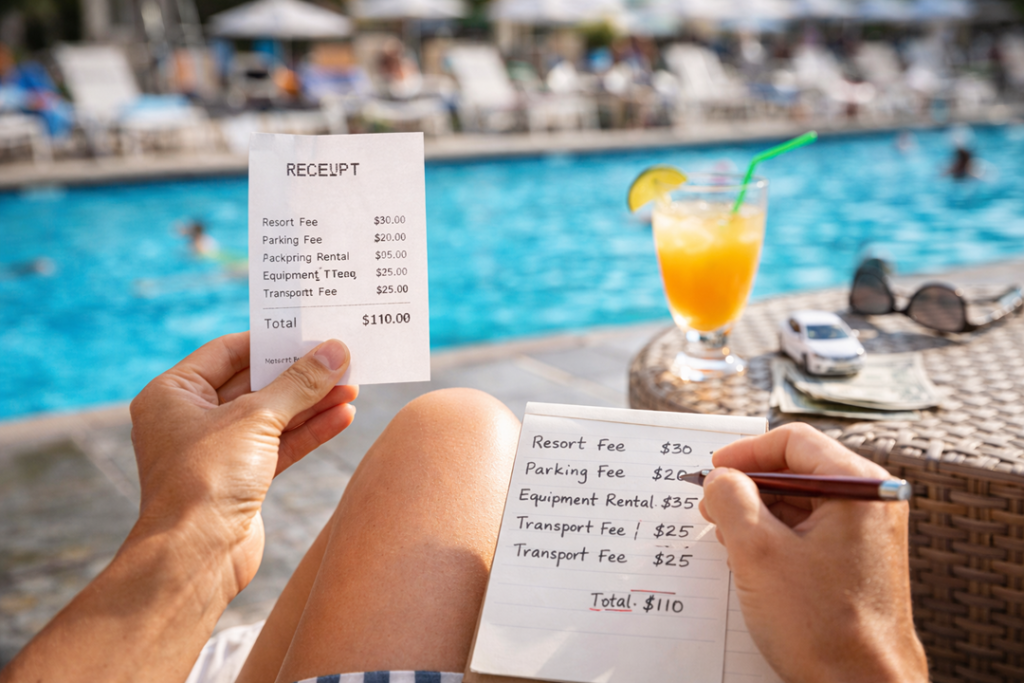
Watch for:
- Resort fees
- Parking charges
- Activity equipment rentals
- Transportation surcharges
Read accommodation policies carefully before booking. Small daily fees compound quickly over a week-long trip.
Focus On Experiences, Not Upgrades
Upgrades — ocean-view suites, VIP packages, premium seating — are appealing but not always necessary.
Ask yourself whether an upgrade enhances the memory of the trip or simply increases comfort. Often, reallocating that cost toward a guided excursion or local experience creates more lasting value.
Memorable vacations are shaped by moments — not amenities alone.
Affordable Travel As A Strategy, Not A Compromise
An affordable vacation is not about cutting corners. It’s about clarity of priorities, understanding seasonality, and designing a trip around meaningful experiences.
By aligning travel timing, location choices, and spending categories with your personal priorities, you can create a vacation that feels intentional, immersive, and financially sustainable.
Smart planning transforms budget-conscious travel into an advantage — not a limitation.