Yosemite Reservation Changes are the main access issue for fall 2026 because the park no longer requires timed-entry or day-use reservations for general vehicle entry. That sounds simple, but it does not mean Yosemite has become easier to visit in every practical sense. The planning burden has shifted away from securing an entry slot and toward timing the drive, checking road status, understanding fees, and having a backup plan when parking areas fill.
As of October 24, 2026, the National Park Service says entrance reservations are not required to enter Yosemite National Park in 2026, including for visitors driving in for the day through the general entrance system Yosemite entrance reservations. For fall travelers, that means there is no peak-hours booking window to manage before arrival. It also means more people can make last-minute plans, which can add pressure at entrance stations, roads, trailheads, and scenic parking areas during pleasant-weather weekends.
The change also needs to be separated from lodging and camping. A vehicle can enter without a day-use reservation, but places to sleep inside or near the park remain a different question. Research available for 2026 indicates that camping and lodging reservations remain in demand from spring through fall, with seasonal campground openings varying by location. Travelers should not read the entry change as a sign that overnight space will be easy to find.
What Yosemite Reservation Changes Mean For Fall Access
Yosemite Reservation Changes At The Gate
The clearest fall access change is at the entrance gate. Yosemite’s timed-entry reservation system for general day-use access has been paused for the full 2026 season, so drivers do not need an advance reservation just to enter. That includes fall travel after the peak summer period. The park used pilot reservation systems in past years, including programs with peak-hour rules and multi-day entrance windows, but those systems are not active for 2026 based on the current research.
This matters most for travelers who remember the 2024 and 2025 pilot years. In those years, a visitor might have needed to track release dates, reservation windows, and valid entry periods. In fall 2026, the entry question is simpler: no day-use or peak-hours reservation is required. The practical risk is that simpler access can increase spontaneous trips, especially on weekends, holidays, and clear-weather days.
What Did Not Change: Fees And Passes
Entrance fees still apply. Research notes for 2026 list a seven-day standard park pass at $35 per vehicle for U.S. residents, a Yosemite-only annual pass at $70, and the America the Beautiful annual pass at $80. Nonresidents age 16 and older are listed as paying an additional $100 fee on passes. Valid interagency passes are accepted.
Because costs can affect route and timing decisions, visitors should confirm the payment method and pass rules before driving. A household using an annual interagency pass may plan differently from a group buying a short-term vehicle pass. The access policy removes one administrative step, but it does not remove the cost of entering the park.
Traffic And Parking Without Timed Entry
Where Congestion Can Build
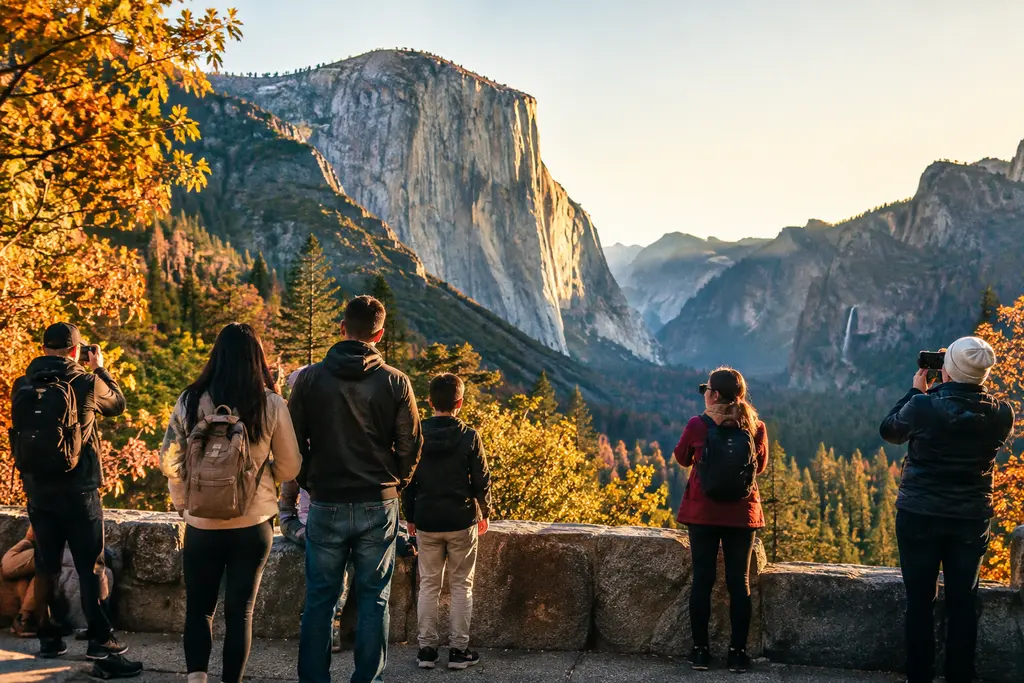
The reservation rollback shifts attention to congestion. Research for fall 2026 points to expected long entrance waits and full parking lots at popular areas such as Yosemite Valley, Glacier Point, Mariposa Grove, Tuolumne Meadows, and other heavily visited sites, especially during weekends and holiday periods. These are not new pressure points, but the absence of timed entry can make demand harder for travelers to predict.
Yosemite Valley is the classic example. A visitor may be able to drive into the park without a reservation, but that does not guarantee a convenient parking space near the exact trail, viewpoint, lodging area, or shuttle stop they had in mind. The same applies to Glacier Point and Mariposa Grove, where limited parking and seasonal interest can create bottlenecks even after summer crowds decline.
How To Use Yosemite Traffic Updates
Yosemite’s traffic guidance points visitors toward real-time information rather than a reservation cap. The park advises travelers to use traffic tools and says visitors can text “YNPTRAFFIC” to 333111 for updates on road and entrance gate conditions Yosemite traffic updates. The research also notes that Yosemite is relying on road-condition alerts, signs, congestion warnings, parking management, extra staffing at intersections, and trip-planning tools to manage visitor flow.
That system rewards flexible travelers. If a sign or text alert indicates a slow entrance or full lot, the better response may be to adjust the day rather than keep pressing toward a crowded location. This is especially useful for visitors staying outside the park, who may have several entrance choices or the option to shift a high-demand stop to an earlier morning.
Fall Road Timing And Scenic Areas
Glacier Point In Fall
Glacier Point is one of the key fall planning variables. Research states that Glacier Point Road is generally open from May through November, weather permitting. In fall, arriving by 9:00 a.m. is recommended, and when the parking lot is full, delays of up to two hours are possible.
For travelers, that creates a clear planning rule: treat Glacier Point as a morning objective rather than an after-lunch add-on. The road may be open on a given day, but the parking lot can still shape the visit. A traveler who reaches the area late may spend a large part of the day in traffic or waiting for access instead of walking, viewing, or returning before dark.
Tioga Pass And Seasonal Uncertainty
Tioga Pass, the Highway 120 route east of Crane Flat, is another fall access variable. Research states that it typically opens in May or June and can remain open into November, depending on snow. In fall 2026, the eastern side is expected to close seasonally after snow begins.
That is not a detail to leave until arrival day. A trip that depends on crossing Tioga Pass should include a road-status check before booking lodging on opposite sides of the Sierra. If the pass closes after snow, a direct east-west route can become a much longer drive. This is especially relevant for visitors linking Yosemite with eastern Sierra towns or trying to combine park days with a broader road trip.
How To Plan A Lower-Friction Visit
Start With Timing, Not Tickets
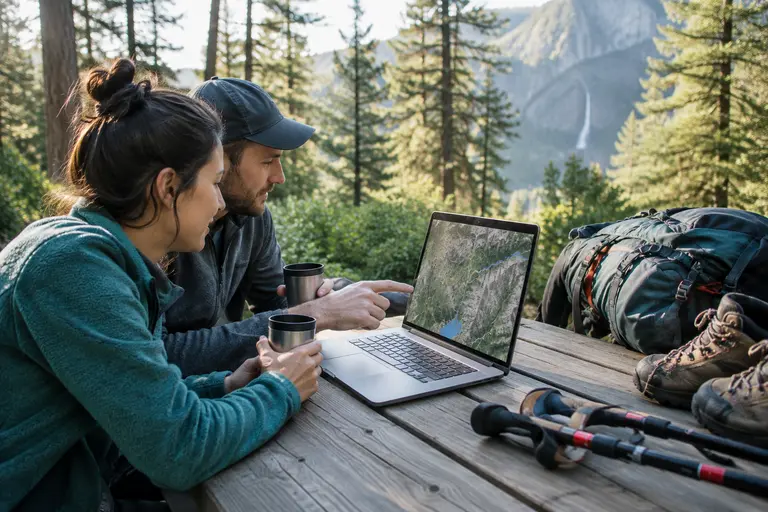
Because Yosemite Reservation Changes remove the need for a day-use booking, fall planning should start with timing. Weekday mornings generally give travelers a better chance of avoiding the most concentrated congestion, though the research does not provide a guaranteed wait-time estimate. The safest planning assumption is that clear fall weekends can still feel busy at major entrances and viewpoints.
A practical day plan should identify one priority area and one backup area. For example, if Glacier Point parking is full or delayed, visitors should already know whether they will wait, return later, or shift to another part of the park. The same logic applies to Yosemite Valley, Mariposa Grove, and Tuolumne Meadows. The access rule may be simpler in 2026, but the park’s geography still punishes rushed decisions.
Keep Lodging Separate From Entry
Overnight planning remains separate from park entry. Campgrounds and lodging inside or near Yosemite can fill quickly from spring through fall, and some campgrounds operate seasonally. Several campgrounds are year-round in Yosemite Valley and certain other zones, but that does not mean space will be available for a specific date.
Travelers comparing Yosemite with other national park access changes may find the broader context useful in this related report on park access changes. The recurring lesson is that reservation rollbacks do not remove every constraint. They change which constraint matters most. At Yosemite in fall 2026, timing, roads, parking, and lodging now deserve more attention than the former day-use entry slot.
Multigenerational groups should also build in rest and mobility time, especially if they plan to move between scenic drives, shuttle areas, and crowded viewpoints. For readers interested in age-aware travel and outdoor planning beyond this park-specific update, seeing a related travel perspective from the same network may be beneficial by visiting The Silver Liners.
Yosemite Reservation Changes For Fall Travelers
What To Check Before You Drive
The practical reading of Yosemite Reservation Changes is this: entry is easier to understand, but the visit is not automatic. Before leaving, travelers should confirm entrance rules, current road conditions, traffic alerts, lodging or campground reservations, and weather-sensitive routes such as Glacier Point Road and Tioga Pass. They should also carry a realistic plan for full parking lots and delayed access to popular viewpoints.
- Confirm that no day-use entrance reservation is required for the date of travel.
- Check traffic alerts before entering and again near the park boundary.
- Plan early arrival for Glacier Point, especially in good fall weather.
- Verify Tioga Pass status if the route is part of the trip.
- Separate entrance access from lodging, camping, and pass costs.
Fall remains one of the more appealing times to plan Yosemite carefully because summer’s heaviest travel period has passed, while some high-country and scenic roads may still be available before winter closures. The tradeoff is uncertainty. Weather can change road access, parking can fill, and the absence of timed entry means demand is less filtered before vehicles reach the gates.
For fall 2026, the best approach is cautious and flexible. Do not spend energy looking for a day-use reservation that Yosemite is not requiring. Put that energy into arrival timing, road checks, lodging confirmation, and a backup plan for crowded areas. That is the real access strategy now.