Yellowstone October changes became especially relevant after October 12, 2026, because the park had already entered its late-season shift: key high routes had closed, lodging dates were narrowing, visitor-center hours were shorter, and winter weather risk was no longer theoretical. For travelers considering the final stretch of October 2026, the main issue is not whether Yellowstone is worth visiting. It is whether the specific roads, rooms, food service, information desks, and travel buffers still match the trip you have in mind.
October can be one of the more appealing months for travelers who prefer lower visitation and a colder, quieter park experience. The National Park Service reports that a typical October averages 223,777 visits, or 5.57% of annual visitation, far below the summer peak months according to Yellowstone visitation statistics. That drop can change the feel of overlooks, thermal areas, lodging zones, and wildlife pullouts, but it does not remove the need for careful planning. In late October, fewer visitors often coincide with fewer services and more weather risk.
Why Yellowstone October Changes Matter
Yellowstone October Changes After October 20
As of October 20, 2026, several seasonal changes had already taken effect. Dunraven Pass between Canyon and Tower Fall closed on October 12, 2026. The Beartooth Highway, US-212, also closed on October 12, along with the Chief Joseph Scenic Byway. Those closures matter because they reduce route options near the park’s northeastern approaches and can alter plans that rely on a scenic drive, a loop route, or a cross-park connection.
The larger late-month cutoff was still ahead on October 20. Research from Yellowstone’s road information indicates that all other seasonal roads were scheduled to close to regular vehicles on October 31, 2026, except the year-round route from the North Entrance through Mammoth and Lamar Valley to the Northeast Entrance. That exception is a major planning point. A late-October visit should not be built around summer-style circulation unless each road segment has been verified close to travel day.
Traffic Delays And Route Buffers
Construction also affected travel timing in October 2026. The Gardner River High Bridge area on the North Entrance Road had single-lane traffic with delays of up to 15 minutes daily through late October, with oversized or overweight vehicles likely restricted. Near Tower Junction, Yellowstone River Bridge paving work could create delays of up to 30 minutes continuing through November 2026. These figures may sound modest in isolation, but they can matter when daylight is shorter, temperatures are lower, and food or lodging options close earlier than in summer.
For road-trip travelers, the practical response is to keep the route simple. If you’re combining Yellowstone with regional drives, it’s wise to integrate resources like Drive Sat Mile High, and verify park alerts before setting out. A late-October loop that seems feasible on a map can quickly become challenging if one pass is closed and another segment faces construction delays.
Lodging And Services Narrow Quickly
Hotel And Cabin Dates Are Not Interchangeable
Lodging dates are one of the clearest signs of the late-season shift. Lake Yellowstone Hotel and Cabins closed on October 10, 2026, according to the research notes. Canyon Village lodging was scheduled to close on October 24, 2026. The National Park Service describes Canyon Lodge and Cabins as operating daily from mid-May through late October, which helps explain why availability falls sharply as the month advances.
Travelers should avoid assuming that one Yellowstone area can easily substitute for another after mid-October. A room at Mammoth, Canyon, Lake, or Old Faithful can put you in a very different position once roads, dining, gas, and visitor services begin closing or shortening hours. If a lodging choice depends on a particular drive being open, confirm both the lodging date and the road date before booking.
Visitor Information And Food Planning
Operating hours also shrink in October. The West Yellowstone Visitor Information Center was listed as operating from 8:00 AM to 5:00 PM daily from October 4 through October 31, 2026. Many other services reduce hours or close as the month progresses. That means late arrivals are riskier than they would be in July, especially for travelers expecting in-park meals, ranger information, or last-minute help with route decisions.
For a practical late-October plan, treat Yellowstone October changes as a service-access issue as much as a scenery issue. Bring enough food and cold-weather gear to handle a slower day. Confirm where you will sleep before entering the park. Keep fuel needs conservative, and do not assume a dining room, store, or information desk will be open just because the road is open.
Weather Wildlife And Backcountry Timing
Cold Weather Is Part Of The October Trip
October weather can shift quickly. Research notes give average daytime highs around 55.7°F, or 13.2°C, and lows around 29.4°F, or minus 1.4°C. Average monthly snowfall is about 3.7 inches, or 9.4 centimeters. These are averages, not promises. A traveler could see mild afternoon conditions, a hard freeze, or snow affecting visibility and road traction within the same general period.
That weather profile should shape packing and timing. Late starts can meet icy mornings. Long photo stops can become uncomfortable if wind increases. Shorter walks may be more realistic than a full day of exposed sightseeing. Footwear, gloves, warm layers, water, and extra time are not just comfort items in late October; they are part of keeping the trip workable when conditions change.
Wildlife Viewing Requires Distance And Patience
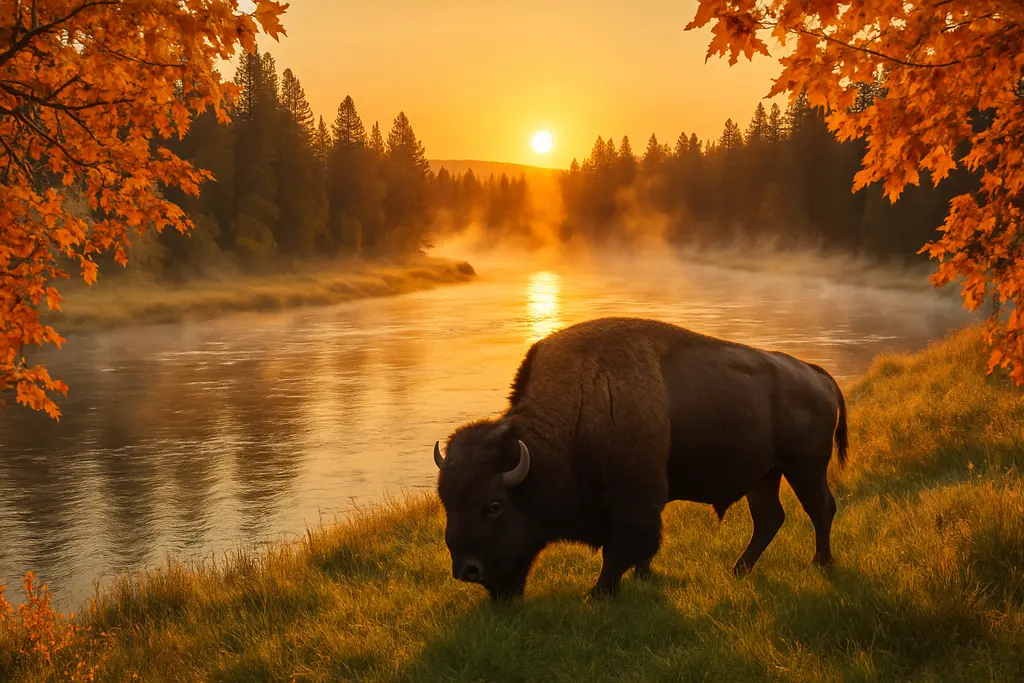
October remains within the elk rut period, especially in northern Yellowstone. Bull elk may be active, bugling, and sparring. That can make wildlife viewing memorable, but it also means travelers should give animals space and avoid turning roadside stops into pressure points for wildlife or traffic. The research notes support October as a significant wildlife period, not a reason to crowd animals or block travel lanes.
Backcountry planning also has a calendar limit. Peak-season backcountry permit rules and office operations were listed as running until October 31, 2026, after which most services wind down. If your plans include off-trail travel or overnight backcountry use, do not treat permits as an arrival-day detail. The closer a trip gets to October 31, the more important it becomes to confirm office access, permit requirements, and weather exposure.
- Confirm road status for the exact date of travel, especially after October 12 and near October 31.
- Check lodging closure dates by location, not only by general park area.
- Plan meals and fuel with reduced operating hours in mind.
- Allow extra time for bridge and paving delays near the North Entrance and Tower Junction.
- Pack for freezing nights, possible snow, and cold morning starts.
How To Build A Late-October Yellowstone Plan

Match The Trip To The Open Corridor
A late-October Yellowstone plan should start with the open corridor, not with a summer itinerary. After the October 12 closures, and especially near the October 31 seasonal-road deadline, the North Entrance through Mammoth and Lamar Valley to the Northeast Entrance becomes the most dependable year-round spine identified in the research. That does not mean every visitor should use only that route, but it does mean travelers should build plans around confirmed access rather than wish-list loops.
If you are still shaping a broader trip, BajaTimes has related Yellowstone trip planning tips that fit the same caution: verify fees, road dates, lodging windows, construction, wildlife rules, and weather before booking. October simply makes those checks more urgent because operating dates are close together and weather margins are thinner.
Keep The Experience Specific
The strongest late-October visits are usually specific rather than overpacked. A traveler might focus on Mammoth, Lamar Valley wildlife viewing, nearby thermal areas that remain reachable, or a short stay built around open lodging and conservative drive times. Trying to cover every classic stop increases the chance that a closed road, shorter hours, or a weather shift will define the trip.
Yellowstone October changes also affect cost expectations. Lower visitation does not automatically mean cheaper or easier travel if fewer rooms are open and route options are limited. The better question is whether the available lodging, open roads, and reduced services line up with the dates you can travel. If they do, October can offer a quieter and more seasonal park experience. If they do not, forcing a summer-style plan into late October is likely to create avoidable stress.
Yellowstone October Changes For Late-Month Visitors
For anyone visiting after October 20, 2026, the key is to think in terms of dates already passed and dates still approaching. October 10 lodging closures had already occurred at Lake Yellowstone Hotel and Cabins. October 12 road closures had already removed Dunraven Pass, Beartooth Highway, and Chief Joseph Scenic Byway from regular late-month planning. October 24 was the next major lodging date in the research for Canyon Village, and October 31 was the major seasonal-road and backcountry-service threshold.
That calendar makes Yellowstone October changes less confusing when reduced to practical questions: Where can I legally drive on my travel date? Where can I sleep? What food and visitor services are open? How much delay should I allow? What weather can I handle if temperatures fall below freezing? These questions are more useful than relying on general impressions of fall travel.
The park can still reward a late-October traveler with lower visitation, cold-weather scenery, wildlife activity, and a calmer pace than summer. The tradeoff is reduced access and reduced services. Plan from the official dates, keep the route conservative, and treat weather as a central part of the trip rather than an afterthought.