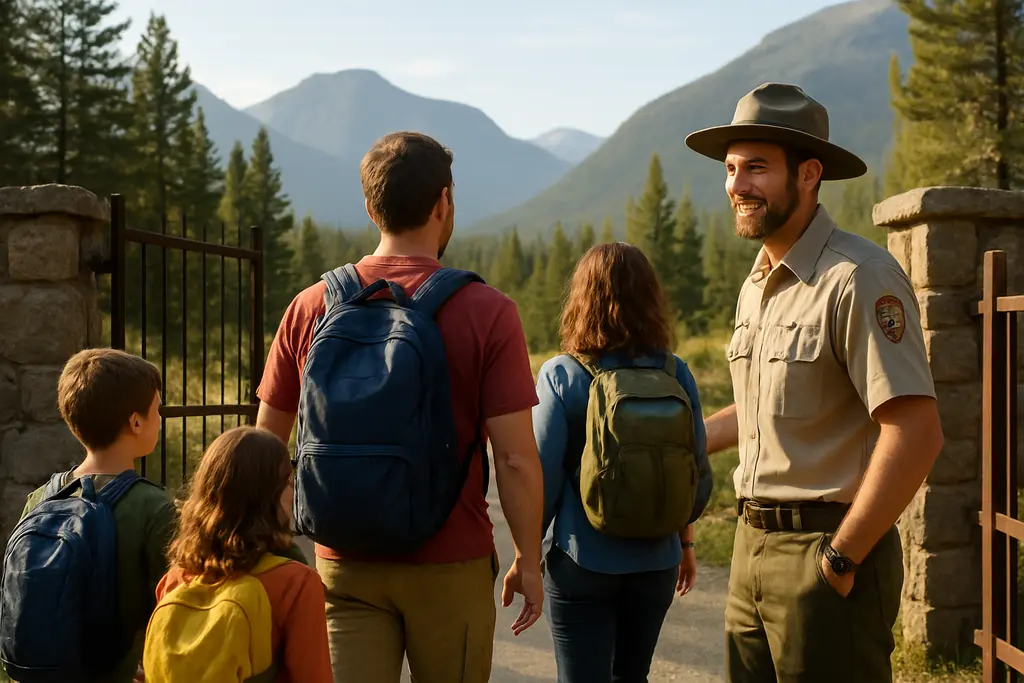
For eligible U.S. travelers, a Yellowstone free entrance day can reduce the cost of a short park visit, but it should not be treated as a no-cost trip. As of October 20, 2026, the relevant planning window is narrow: the remaining 2026 fee-waived dates at Yellowstone are October 27 and November 11. Earlier 2026 dates, including September 17, have already passed and should be treated only as past calendar references.
The fee waiver matters most for visitors who are making a day trip, entering by private vehicle, or deciding whether a seven-day entrance pass is worth buying. It does not remove lodging, camping, tour, food, fuel, winter gear, or special-use costs. It also does not make every visitor eligible. Yellowstone’s 2026 entrance-fee rules distinguish between eligible U.S. citizens and U.S. permanent residents, and non-U.S. visitors face different charges.
Yellowstone Free Entrance Day Timing
What Is Still Ahead After October 20
For trip planning after October 20, 2026, the key dates are explicit: October 27, Theodore Roosevelt’s Birthday, and November 11, Veterans Day. Those are the remaining 2026 dates in the research record when eligible U.S. visitors can enter Yellowstone without paying the standard entrance fee. The earlier dates in 2026 were February 16, May 25, June 14, July 3 through July 5, August 25, and September 17. Those dates have already occurred.
This timing matters because late October and mid-November are not the same travel experience as summer. Yellowstone is open year-round when entrances are seasonally accessible, but road and entrance access can change with the season. A fee waiver is useful only if the route you plan to use is available and the park areas you care about can be reached. Travelers should check access conditions before committing to lodging or a long drive.
Who Qualifies For A Free Entrance Day
The 2026 waiver is not universal. According to Yellowstone’s National Park Service fee information, free entrance dates waive entrance fees for U.S. citizens and U.S. permanent residents, while regular 2026 fee rules remain relevant for other visitors through the official Yellowstone fees page. Travelers using the waiver should carry proof of eligibility, such as a valid government photo ID showing U.S. residency status where applicable.
A practical reading is simple: do not arrive assuming that saying you live in the United States will be enough in every case. Bring documentation, keep it accessible at the entrance station, and expect staff to apply the posted rules. This is especially relevant for mixed groups that include U.S. citizens, U.S. permanent residents, and international visitors.
Costs That Still Apply
Regular Entrance Fees For U.S. Visitors
On days that are not fee-waived, the 2026 Yellowstone entrance fee for U.S. visitors is $35 for a private vehicle for seven consecutive days, covering all occupants. The motorcycle fee is $30, and that category also covers up to two snowmobiles with up to four passengers. Individuals entering on foot or bicycle, age 16 and older, pay $20 for seven consecutive days. Children under 16 enter free.
Those figures help travelers decide whether a free entrance day is financially meaningful for their trip. For a family in one private vehicle, the avoided entrance cost is the $35 vehicle charge. For a solo cyclist age 16 or older, it is the $20 individual charge. If the visit spans multiple days outside the waiver date, the normal seven-day pass structure may still be relevant.
Nonresident Surcharge And Eligibility
Effective January 1, 2026, the research record states that Yellowstone applies a $100 nonresident surcharge for each non-U.S. resident age 16 or older, unless the visitor enters using an America the Beautiful pass or a Yellowstone annual pass. This surcharge is not removed by the fee-waived dates. That means a group containing non-U.S. visitors should not budget the trip as if everyone enters at no cost.
The distinction is particularly important for residents hosting family or friends from abroad. The U.S.-eligible visitor may benefit from the waiver, while a nonresident adult in the same vehicle may still trigger the surcharge. Travelers should verify the fee position that applies to their party before reaching the gate, rather than trying to resolve eligibility under time pressure.
Access, Roads, And Gate Expectations
No Timed Entry For Standard Day Use
Yellowstone does not require a timed-entry reservation, vehicle reservation, or general entry permit for standard day use in 2026. Visitors either show a valid pass, pay the required fee, or present eligibility on a fee-waived date, according to National Park Service fee guidance at the NPS Yellowstone fee page. This makes the entrance process less complicated than at parks with timed-entry systems, but it does not remove the need for seasonal planning.
A free entrance day may draw more local and regional interest because the entry charge is removed for eligible visitors. That does not mean every road, overlook, service area, or lodging option will be available. Late-season weather, daylight, and road conditions can shape the trip more than the fee waiver itself.
Seasonal Access Can Still Limit A Trip
Yellowstone’s entrances and internal roads are subject to seasonal access. The research record notes that the park is open 24 hours a day, 365 days a year when entrances are seasonally accessible, but some entrances and roads close seasonally. For a late-October or November visit, road status is not a side issue; it is the planning foundation.
Travelers should also separate entrance access from experience access. Being able to enter the park does not automatically mean every visitor center, road segment, lodging area, or service point will match summer patterns. A late-season plan should be built around confirmed access, conservative driving time, food and fuel planning, and weather-appropriate clothing.
How To Plan A Short Yellowstone Visit
Use The Waiver As One Part Of The Budget
The fee waiver applies only to entrance fees. Other costs remain. Lodging, camping reservations, commercial tour fees, special permits, meals, fuel, and gear are separate expenses. For many travelers, the entrance-fee savings will be real but modest compared with transportation and overnight costs.
That is why a free entrance day works best as a budgeting tool, not as the sole reason for a trip. If you live within a reasonable drive and can visit for the day, the savings may make the outing easier to justify. If you need flights, rental vehicles, hotels, and multiple meals, the waived entrance charge will be a smaller part of the total cost.
- Bring proof of U.S. citizenship or permanent resident eligibility if using the waiver.
- Check road and entrance access before leaving, especially for October 27 or November 11, 2026.
- Budget for food, fuel, lodging, permits, and tours separately from the entrance fee.
- Confirm whether anyone in your party is subject to the nonresident surcharge.
- Keep expectations season-appropriate; late fall is not a summer-style park visit.
Keep The Day Realistic
A late-season Yellowstone day is better planned around fewer stops and more buffer time. Short daylight, possible weather shifts, and seasonal service limits can make an ambitious route less appealing. Choose a reachable area, identify a backup plan, and avoid building the day around assumptions that may have been reasonable in July but not in late October or November.
For readers comparing fee-waiver policies beyond Yellowstone, Baja Times has a related planning piece on U.S. national park free entrance dates. Travelers who also follow scenic public-land travel across the same network may find broader regional context at California Views for more insights on the surrounding areas.
Yellowstone Free Entrance Day Planning For U.S. Residents
A Yellowstone free entrance day is most useful when the eligibility rules, dates, access conditions, and remaining costs all line up. After October 20, 2026, eligible U.S. travelers have two remaining 2026 opportunities: October 27 and November 11. The September 17 date has already passed and should not be used in forward planning.
The main planning lesson is restraint. Confirm that your party qualifies, bring proof, check the seasonally accessible entrances and roads, and budget for everything the waiver does not cover. If those pieces fit, the fee waiver can make a late-season visit more affordable. If they do not, paying for a standard pass on a better travel day may be the more practical choice.