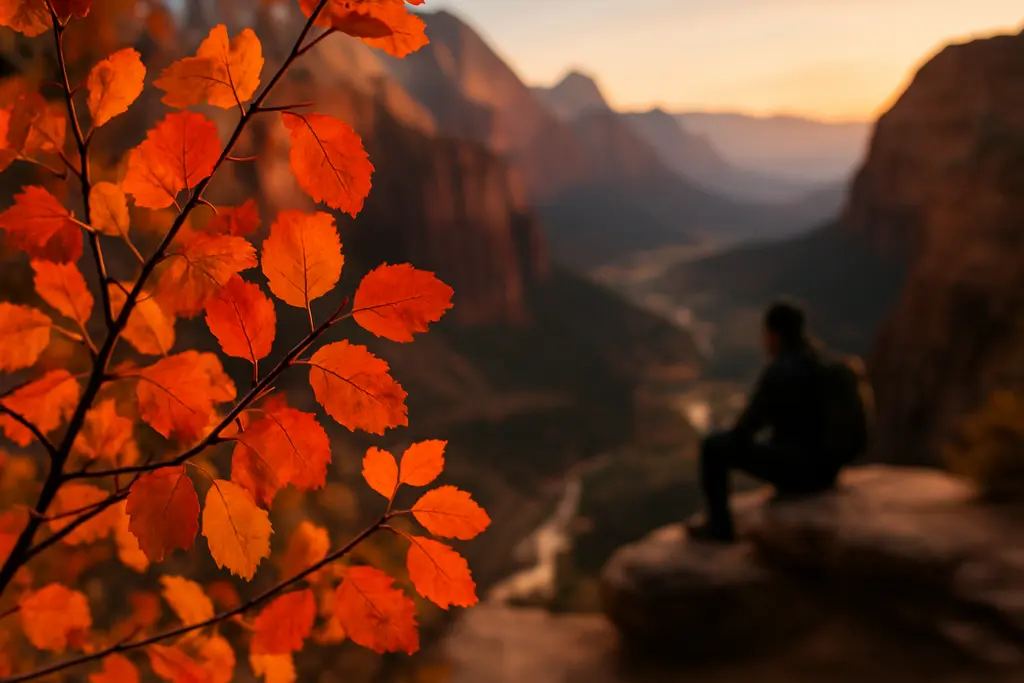
North Rim Fall Colors are drawing attention in October 2026 because the best leaf viewing overlaps with a narrow access window, changing services, and scheduled road work. The Arizona Office of Tourism reported in its Oct. 2, 2026 access update that early October marked peak color on the North Rim and Kaibab Plateau, with quaking aspens turning gold in high-elevation areas along SR-67 and near viewpoints such as Point Imperial and Cape Royal, according to the Arizona Office of Tourism access update.
That timing matters because today is Oct. 12, 2026. The first weekend of October has already passed, but travelers still considering a North Rim trip before Oct. 15 have a short remaining window before several visitor services and scenic-road options change. A cautious plan should treat the North Rim less like a full-service park village and more like a high-elevation road trip where weather, daylight, fuel, water, and closures can affect the experience quickly.
Why North Rim Fall Colors Need Careful Timing
North Rim Fall Colors Before October 15
The strongest reason to plan carefully is that the best color in the high country has been tied to early October. White-barked aspens at higher elevations often create the most visible gold color along road corridors and overlooks, but the research available for this article does not support a precise promise of how long every grove will hold color after Oct. 12. Wind, cold nights, and early snow can shorten the display. Travelers should read any foliage report as a recent condition, not a guarantee.
North Rim Fall Colors are also tied to elevation. The Kaibab Plateau sits far higher than the canyon floor, so conditions can change within a relatively short drive. A sunny overlook may feel comfortable in the afternoon, while shaded forest sections can feel cold after sunset. For photographers and slow travelers, that means the practical day is shorter than the map may suggest. Plan to reach viewpoints with enough time to return before dark, especially if you are not familiar with SR-67 or the side roads.
Why October 12 To October 15 Is A Narrow Window
As of Oct. 12, 2026, the remaining full-access period before the Oct. 15 operational change is brief. Travelers who still intend to go before that date should confirm current road and trail status, avoid late arrivals, and carry supplies rather than assuming services will be available at the last stop. For comprehensive regional travel insights, you can compare regional trip coverage at the Californian Times, although decisions specific to North Rim need to rely on up-to-date park and tourism updates.
Access Changes After October 15
What Closes And What Stays Possible
The National Park Service says several North Rim services shift to modified fall operations beginning Oct. 15, 2026, with the campground and general store closing after Oct. 15 and Cape Royal Road and Point Imperial Road closed from sunset Oct. 15 through sunrise Nov. 3, 2026, for repair and rehabilitation work, as listed on the park’s Grand Canyon things to do page. For North Rim Fall Colors, that creates a clear planning divide: before Oct. 15 is the easier window for classic viewpoint driving; after that date, a visitor needs a much more self-contained plan.
The North Rim entrance is expected to remain open through Nov. 30, 2026, or until the first major snowstorm, whichever comes first, based on the current planning information in the research for this article. That does not mean the experience is the same after mid-October. Lodging inside the North Rim developed area is closed after mid-month, and no overnight lodging is available there for the 2026 season because of prior fire damage. Visitors should not build a trip around last-minute rooms inside the park.
How Fire Damage Affects The 2026 Visit
The research notes state that the Dragon Bravo Fire on July 12-13, 2025 destroyed the historic Grand Canyon Lodge, many cabins, and the North Rim Visitor Center, leaving only about 15% of the lodge structure standing after selective demolition and stabilization. For travelers, the effect is practical rather than abstract: familiar visitor infrastructure is not functioning as it once did. A North Rim trip in October 2026 should be planned around gateway communities, personal supplies, and current access checks rather than memories of previous lodge-based visits.
For readers weighing the same issue in more operational detail, Baja Times has also covered North Rim fall operations with attention to closures, services, and road timing. Use that type of article as a prompt for questions, not as a substitute for same-day park status before driving.
How To Plan The Drive And Viewpoints
SR-67, Point Imperial, And Cape Royal
SR-67 is the main approach for most North Rim visitors, and the research identifies it as one of the high-elevation corridors where aspen color has been visible in early October. Point Imperial and Cape Royal are also named in the current fall-color notes as scenic areas associated with the seasonal display. North Rim Fall Colors can be rewarding from these areas, but access depends on timing. Before sunset on Oct. 15, the classic viewpoint pattern remains more feasible. After the scheduled road closure begins, that pattern changes sharply.
Travelers should also resist the temptation to overbuild the day. The North Rim rewards slower movement: stopping safely at legal pullouts, allowing time for changing light, and keeping return distance in mind. A road that feels easy at midday can feel more demanding after sunset, particularly if temperatures drop or weather changes. Anyone visiting after Oct. 15 should expect fewer services, less margin for error, and a stronger need to know which roads are open before leaving the gateway area.
Trails Need Separate Checks
The research notes indicate that some short North Rim-area trails remain accessible, including Point Imperial Trail, Roosevelt Point Trail, and Cape Royal Trail, while other routes affected by fire or flood damage remain closed. The North Kaibab Trail and Phantom Ranch area are specifically listed in the research as areas affected by closures. Do not assume that a road being open means every nearby trail is open, and do not assume that a trail mentioned in an older itinerary is available in October 2026.
For leaf viewing, short walks near overlooks may be more realistic than ambitious canyon travel. That is not a downgrade. In October, the value of the North Rim is often the combination of cool air, long views, forest edges, and changing aspens rather than a high-mileage hiking objective.
Services, Weather, And Self-Sufficiency

Food, Fuel, Water, And Layers
October travel on the North Rim requires practical restraint. The general store is open only through Oct. 15 in the research notes, lodging is not available in the developed area for the 2026 season, and fuel is not available at the now-closed gas station. The nearest fuel identified in the research is at Jacob Lake or private facilities outside the North Rim boundary. With no dependable lodging base inside the developed area, visitors should plan meals, water, fuel, and emergency supplies before entering the park road.
Weather is another limiting factor. The research gives typical October rim-trail conditions of about 65°F for daytime highs and about 33°F for nighttime lows, with snow possible, especially later in the month. Those numbers should not be treated as a personal forecast. They are planning signals: bring warm layers, rain or snow protection as appropriate, a headlamp, and enough food and water for delays.
Who Should Reconsider A Late-October Visit
A late-October North Rim visit can still make sense for experienced, self-sufficient travelers who are comfortable with reduced services and variable weather. It is a weaker fit for travelers expecting lodge dining, easy fuel, a broad menu of open roads, or a flexible overnight plan inside the park. Families, photographers, and road-trippers can still have a strong experience, but the trip needs to be built around early starts, conservative distances, and clear exit plans.
North Rim Fall Colors Planning For October 2026
A Practical Pre-Drive Checklist
If North Rim Fall Colors are the main reason for the trip, treat Oct. 15 as the key planning line. Before that date, the access picture is more favorable for classic high-elevation viewpoints. After that date, the trip becomes more limited and more dependent on self-sufficiency. Use the following checks before committing to the drive:
- Confirm same-day road status for SR-67, Cape Royal Road, and Point Imperial Road.
- Verify whether any planned trail is open, especially routes affected by fire or flood damage.
- Fuel before entering the North Rim area, with Jacob Lake or other private facilities outside the boundary in mind.
- Carry food, drinking water, warm layers, a headlamp, and basic emergency gear.
- Plan lodging outside the North Rim developed area, since 2026 in-park lodging is not available.
- Build the day around daylight, not just mileage, because sunset changes both visibility and temperature.
The North Rim in October 2026 is still one of the more distinctive seasonal experiences in Grand Canyon country, but it is not a casual, full-service leaf trip. The best plan is specific: know the date, know the road status, know what services have closed, and know where you will sleep, fuel, and get water before you arrive.