The NPS Projects Blocked issue became a practical travel concern after the Interior Department disapproved more than 130 partnership agreements on August 7, 2026. For visitors, the immediate question is not only political or administrative. It is whether future national park trips could face delayed trail work, postponed resource projects, reduced program capacity, or access changes that are hard to see when booking months ahead.
According to KUNC, the disapproved agreements affected 61 national parks, offices, and programs and put nearly $26 million in funding on hold for work that included wildfire mitigation, trail maintenance, habitat protection, invasive species control, cultural heritage, and sled-dog care through blocked third-party agreements. The report also said the Great Basin Institute, based in Reno, had 78 projects totaling about $12.7 million disapproved or frozen. That scale does not mean every traveler will encounter a closed trail or canceled program, but it does raise the value of checking specific park alerts before paying for lodging, flights, rental cars, or tours.
Why NPS Projects Blocked Matter For Visitors
Park visits often depend on work that travelers rarely see: trail crews, resource teams, cultural site preservation, fire preparation, seasonal maintenance, and partner-run field projects. When those projects are delayed, the effect may not appear as one dramatic closure. It can show up as slower repairs, fewer completed improvements, limited programming, or a less predictable visitor season.
Funding Delays Are Not The Same As A Closure
A blocked agreement does not automatically close a park. National parks can remain open while certain projects wait for approval, funding release, or a new operating plan. That distinction matters for trip planning. A visitor should avoid assuming that a named park, office, or program is unusable simply because it was connected to a paused agreement. The more careful approach is to treat the news as a signal to verify the details for the exact unit, entrance, campground, road, trail, or program that matters to the trip.
NPS Projects Blocked And Trip Risk
NPS Projects Blocked may increase uncertainty in several areas that shape visitor experience. Trail maintenance and wildfire mitigation are especially relevant for hikers, road-trippers, campers, and families visiting during dry or high-use periods. Habitat protection and invasive species control may be less visible to a casual visitor, but those projects can affect how parks manage sensitive areas, closures, and restoration zones over time.
What Was Put On Hold
The clearest reported facts are financial and administrative. More than 130 agreements were disapproved, nearly $26 million was put on hold, and the affected work reached across 61 parks, offices, and programs. The Great Basin Institute accounted for a large share of the paused work, with 78 projects and about $12.7 million involved. KUNC reported that these were not simply unfunded wish-list items in every case; some money had already been appropriated and internal approvals had been obtained before final Interior Department sign-off was withheld.
Types Of Projects Travelers Should Watch
The project categories matter because they connect directly to trip conditions. Wildfire mitigation can influence how prepared a park is before fire season. Trail maintenance can affect whether routes are repaired, rerouted, or left in rougher condition. Cultural heritage projects can affect access to interpretation, preservation work, and educational programming. Sled-dog care is a reminder that park operations are not limited to roads and overlooks; some parks rely on specialized programs with local expertise and seasonal staff needs.
Why Partner Agreements Matter
Third-party partners often provide labor, technical capacity, or project management support that park staff cannot easily replace on short notice. If a partner project is paused, the work may not shift immediately to another crew. Travelers do not need to track every agreement, but they should understand the practical effect: a park may have the authority to host visitors while still lacking the cleared funding or partner structure needed for planned improvements.
How Access Changes Can Affect Itineraries
Access issues are not limited to blocked agreements. Construction, road rehabilitation, and facility work can also change what a trip feels like on the ground. Crater Lake National Park offered a clear 2026 example: the National Park Service said Ride the Rim was canceled in 2026 because multiple major construction and rehabilitation projects affected key park roads, trails, and visitor facilities through the Ride the Rim cancellation. That cancellation should not be presented as caused by the August 7 agreement disapprovals, but it shows how park projects can affect a signature visitor experience.
Crater Lake As A Planning Signal
For travelers, the Crater Lake example is useful because it separates desire from access. A scenic route, event, or park tradition may be well known, but road and facility work can still change the visitor plan. If a trip depends on one activity, such as a bike event, ranger program, boat access point, historic site tour, or high-elevation road, that activity should be checked directly with the park before booking nonrefundable travel.
Seasonality And Backup Plans
Seasonal timing adds another layer. Fire preparation, trail repair, road work, snow clearance, and high-use visitor services do not operate on the same schedule in every park. A fall trip may face different constraints than a spring trip. A desert park, mountain park, and Alaska park can have very different access windows. The practical response is to build a backup plan that stays within the same region rather than depending on a single trail, overlook, or program.
How NPS Projects Blocked Change Planning
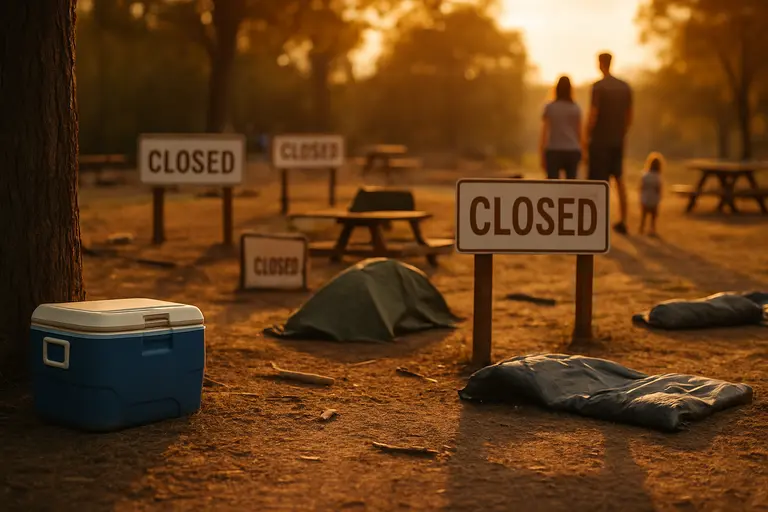
NPS Projects Blocked should push travelers toward more specific planning, not panic. The best response is to move from general park inspiration to precise access checks. That means confirming the current status of entrances, roads, trails, visitor centers, campgrounds, shuttles, concession services, and programs that matter to the trip.
Questions To Ask Before Booking
- Which park unit, entrance, road, trail, campground, or program is central to the trip?
- Has the park posted alerts about road work, rehabilitation, fire restrictions, staffing, or limited services?
- Is the lodging, flight, rental car, or tour refundable if access changes?
- Does the trip depend on one event or activity that could be canceled or rescheduled?
- Are there nearby public lands, towns, or scenic drives that could work if the main plan changes?
Costs, Timing, And Access
The main cost issue for travelers is not a new fee described in the available reporting. It is financial exposure from booking too early without flexibility. If a trip relies on a single road, event, or facility, refundable lodging and changeable transportation may be worth more than the lowest available rate. Timing also matters. Checking a park alert page once at booking is not enough; conditions can change again close to departure.
What This Means For Western Road Trips
Many visitors link multiple national parks into one regional drive, especially across the West. A delayed project in one park may not ruin the whole trip, but it can change the number of nights that make sense in a gateway town or whether a long detour is still worth the time. Regional travelers who compare California, desert, mountain, and coastal routes may find related coverage from California Times useful, while still confirming park-specific access through official channels.
Use Related Funding Coverage Carefully
Readers tracking how budget decisions may affect travel can also compare this issue with BajaTimes reporting on national park funding shifts. The useful travel lesson is narrow but practical: broad funding news should lead to targeted trip checks, not assumptions about every park. A park may be open, partly disrupted, or operating normally for the specific activity a visitor has planned.
NPS Projects Blocked And Future Park Visits
NPS Projects Blocked is best understood as an uncertainty marker for future national park visits. The reported August 7, 2026 disapprovals placed partner-funded work in limbo across many programs, but visitor effects will vary by park, season, and activity. Some travelers may notice little change. Others could encounter delayed trail work, altered programming, construction conflicts, or fewer completed improvements than expected.
What Travelers Can Do Now
The cautious approach is straightforward: identify what part of the park experience matters most, check the official park status before booking, recheck before departure, and keep enough flexibility to adjust. National parks remain worth planning around, but the planning standard has changed. Future visits should be built around confirmed access, realistic backup options, and clear cancellation terms rather than a general assumption that every planned project or event will proceed on schedule.