A Smoky Mountains road trip in September 2026 needs more than a loose plan for fall color and mountain views. Road access, midweek vehicle restrictions, active repair work, and trail closures can change the experience, especially for travelers moving between Pigeon Forge, Gatlinburg, Cades Cove, Kuwohi, and Mount LeConte trailheads. The good news is that the park publishes seasonal road dates, and reputable travel guidance gives a reasonable picture of when crowds, weather, and scenery tend to align.
The clearest planning point is seasonality. Late September through early November is widely treated as the fall foliage period, with October drawing the heaviest visitor pressure, according to Lonely Planet’s timing guidance. Spring also has advantages, especially from mid-April through May, when the research notes point to wildflower blooms, cooler daytime conditions, and more moderate crowds than the fall peak. Summer usually gives broad access but comes with humidity, afternoon thunderstorms, and crowding. Winter can be quieter, but travelers should expect more limits on secondary roads and facilities.
For readers comparing national-park road seasons across the West and Appalachia, our related note on fall scenic drives offers a useful parallel: seasonal access is not a minor detail; it often decides whether a route works at all. The same logic applies in the Smokies, where a road shown on a map may not be open on the date a traveler arrives.
Best Months For A Smoky Mountains road trip
Spring Timing: April And May
April and May are among the most useful months for visitors who want a calmer balance of access, scenery, and daytime comfort. The research notes identify early spring, especially mid-April through May, as a strong period for wildflower blooms, cooler daytime highs, and moderate crowds. That combination can work well for travelers who want to include short hikes, scenic pullouts, picnic stops, and town-to-park drives without committing to the heaviest October demand.
There is still a planning caveat. Some secondary and higher-elevation roads open on different dates, and spring weather can delay access. Kuwohi Road, formerly Clingmans Dome Road, is listed by the National Park Service as open seasonally from April 1 through November 29, 2026, while other roads have later openings or earlier closings on the official seasonal road schedule. A spring traveler should not assume every spur road or high-elevation drive is available just because the main season has begun.
Fall Smoky Mountains road trip Trade-Offs
Fall is the classic scenic-driving period, but it is not the low-effort choice. Late September through early November brings the main leaf-viewing window cited in the research, and October is the annual crowd peak. That means a traveler may get crisp weather and strong color, but also heavier demand near Gatlinburg, Cades Cove, Newfound Gap Road approaches, and popular trailheads.
The better strategy is to treat fall as a capacity problem, not only a scenery problem. Build extra time between stops, avoid packing too many overlooks into one day, and decide in advance which drives matter most. If Kuwohi Road is a priority, remember that weather can still close it temporarily before the listed seasonal end date. If Cades Cove is central to the plan, Wednesday vehicle restrictions through September 30, 2026, affect how that loop works for drivers.
Summer And Winter Require Different Expectations
Summer from June through August tends to offer the widest access and the largest range of activities, but the research notes also point to humidity, frequent afternoon thunderstorms, and crowded conditions. For road-trippers, that means morning starts are more than a comfort choice; they help reduce exposure to traffic buildup and weather interruptions. A picnic plan, flexible pullout stops, and backup indoor time in nearby towns can make a summer visit less dependent on perfect weather.
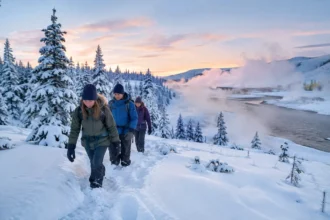
A winter Smoky Mountains road trip is quieter, but access becomes less predictable. The research notes describe winter from December through February as a period with solitude, quieter trails, lodging deals, possible higher-elevation snow, and closures on many secondary roads and facilities. Travelers who value silence may like winter, but they should keep the route conservative and check current road status close to departure.
Current Detours For A Smoky Mountains road trip
Gatlinburg Spur Work Through September 30, 2026
As of September 17, 2026, the most practical road issue in the research is the Gatlinburg Spur, the 4.2-mile connection between Pigeon Forge and Gatlinburg. Single-lane closures were scheduled from September 14 through September 30, 2026, with work windows between 7 a.m. and 7 p.m. for storm-damage repairs and utility work. That does not mean the route is fully closed, but it does mean delay planning matters, especially for travelers with lodging check-ins, dinner reservations, or timed trailhead goals.
For a closer look at that corridor, BajaTimes has covered the Gatlinburg Spur closures with the same practical concern: the short distance can still affect a day if traffic backs up at the wrong hour. Travelers using the Spur during the repair window should avoid building plans that depend on fast movement between Pigeon Forge and Gatlinburg.
Kuwohi Road And Past September Morning Closures
Kuwohi Road remains a key high-elevation drive because it leads toward one of the park’s most recognized viewpoints. For 2026, the seasonal schedule lists it from April 1 through November 29, weather permitting. The research also notes that temporary morning closures on Kuwohi Road and trail took place on September 10 and September 15, 2026, for special educational events, with reopening by 2 p.m. each day. Those dates had already passed as of September 17, 2026, so they should be treated as a reminder to check dated notices rather than as an ongoing closure.
The broader lesson is that the printed seasonal range is not a promise of access on a specific morning. Snow, ice, hazardous conditions, special events, and repair needs can narrow a window. Travelers should verify road status close to the drive and avoid placing a high-elevation stop at the very end of a tight travel day.
Road Access Details That Affect Route Planning
Cades Cove Loop And Wednesday Vehicle Limits
Cades Cove Loop Road is listed as open daily from sunrise to sunset, but with an important seasonal exception in 2026. From May 6 through September 30, the loop is closed to motor vehicles every Wednesday so cyclists and pedestrians can use the 11-mile route without vehicle traffic. As of September 17, 2026, that Wednesday rule was still active through the end of September.
Drivers who arrive on a Wednesday expecting to complete the loop by car will need a different plan. That may mean shifting Cades Cove to Tuesday or Thursday, using Wednesday for a town day, or choosing a pedestrian or bicycle-based visit if that suits the group. This is one of the clearest examples of why the calendar matters as much as the map.
Secondary Roads Have Separate 2026 Windows
The park’s secondary roads do not share one simple open-and-closed date. The research notes list Little Greenbrier Road to the Schoolhouse from April 3 through November 29, Rich Mountain Road from April 10 through November 9, Parson Branch Road from May 1 through November 9, and Heintooga Ridge Road from May 15 through October 31. Those dates give travelers options, but they also create traps for late-fall plans.
| Road Or Area | 2026 Access Detail From Research | Planning Effect |
|---|---|---|
| Kuwohi Road | April 1 through November 29, weather permitting | Check status before high-elevation drives |
| Cades Cove Loop Road | Sunrise to sunset; no motor vehicles Wednesdays May 6 through September 30 | Do not schedule a car loop on affected Wednesdays |
| Rich Mountain Road | April 10 through November 9 | Late-November travelers need another route |
| Heintooga Ridge Road | May 15 through October 31 | Fall access ends before November |
These road windows matter most for travelers who build a route around secondary drives rather than only main corridors. A late-October plan may still work for Heintooga Ridge Road, while a mid-November version of the same idea may not. A late-November plan may still fall within the listed Kuwohi Road window, but weather can overrule the date.
Trail Closures And Itinerary Pressure Points

Bullhead Trail Access Is Not Daily In 2026
The research notes list Bullhead Trail, one of five routes to Mount LeConte, as closed Mondays through Thursdays, except federal holidays, from May 4 through November 19, 2026, for trail rehabilitation. It is open Fridays, Saturdays, Sundays, and holidays during that period. That schedule can quickly affect visitors planning a LeConte-area hiking day around a weekday road trip.
If Bullhead Trail is part of the plan, check the weekday carefully. A Monday arrival with a Tuesday hike in mind will not work under the listed closure pattern, unless a federal holiday changes access. Travelers should also avoid assuming that another LeConte route will feel the same; trail length, grade, parking, and exposure differ, though those details are outside the supplied research.
Laurel Falls Trail Status Needs A Fresh Check
Laurel Falls Trail is listed in the research as closed since January 6, 2025, for about 18 months of rehabilitation, with timing dependent on work progress. Because that estimate points toward mid-2026, and because today is September 17, 2026, travelers should verify the current status before treating Laurel Falls as available. The research is clear that the closure began, but it leaves reopening dependent on progress.
This is where cautious planning pays off. If a short waterfall walk is central to the trip, have an alternate idea before arrival. If Laurel Falls has reopened by a traveler’s date, that can be folded back into the day. If it has not, the plan should not collapse.
How To Build A Practical 2026 Driving Plan
Match The Month To The Purpose
The right month depends on the reason for the trip. A photo-heavy fall drive may be worth the October crowd load. A calmer wildflower-focused trip may fit better in late April or May. A family summer visit may work if the group starts early and expects afternoon weather interruptions. A winter trip may suit travelers who prioritize quiet over access.
- Choose April or May for spring blooms, cooler conditions, and more moderate crowds based on the research notes.
- Choose late September through early November for fall color, while expecting October to be the busiest period.
- Use summer for wider access, but plan around humidity, afternoon storms, and heavier traffic.
- Treat winter as a quieter trip with more road and facility limits, especially away from main corridors.
Costs are harder to assess from the supplied research. The notes mention winter lodging deals, but they do not provide specific rates, park fees, parking charges, or reservation rules. Travelers should confirm lodging prices, cancellation terms, and any local parking or shuttle details before booking. For broader regional travel context, the Californian Times offers destination coverage related to these areas in the same network.
Check Access In Layers, Not Once
A sound plan checks access in layers: first the season, then the specific road, then the date, then the morning conditions. That approach is slower than glancing at a map, but it prevents avoidable backtracking. It is especially useful for Kuwohi Road, Cades Cove, Rich Mountain Road, Heintooga Ridge Road, and any route tied to trail rehabilitation.
Travelers should also separate road closures from trail closures. A road may be open while the trail target is closed, or a trail may be open only on certain days while nearby drives remain available. Mixing those details into one loose plan is where many Smokies itineraries lose time.
Smoky Mountains road trip Planning Choices For 2026
A good 2026 plan is specific without being rigid. September travelers should account for the Gatlinburg Spur work window through September 30 and the Wednesday vehicle limits at Cades Cove through the same date. Fall travelers should expect heavier October demand while watching the end dates for secondary roads. Spring travelers should compare their dates with each road’s opening schedule. Winter travelers should keep expectations modest away from the main roads.
The Smokies reward patience because access changes by elevation, season, weather, and repair schedule. Treat every scenic drive as a date-specific choice, not a fixed promise. That single habit will make the trip more realistic, reduce wasted driving, and leave more time for the mountain stops that are actually open when you arrive.