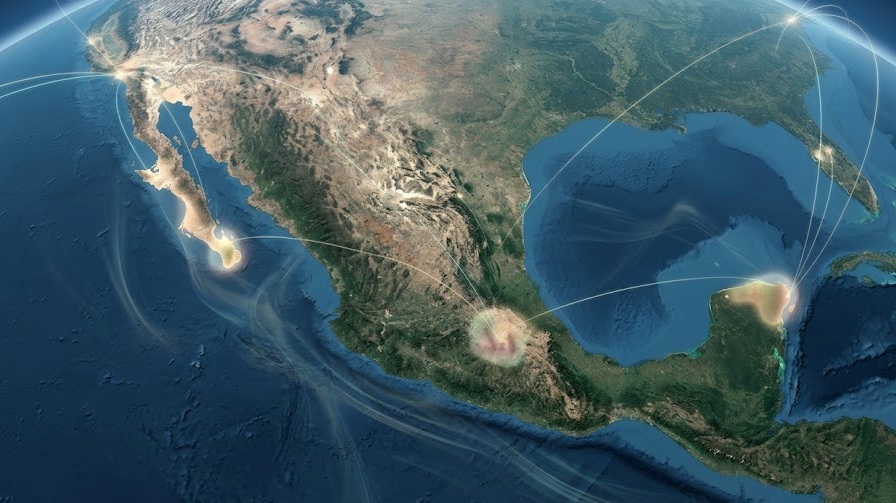
Mexico’s tourism industry is not just recovering—it is expanding at a pace that is placing the country firmly among the top global travel destinations in 2026. According to recent international data, Mexico welcomed over 79 million international visitors in 2025, maintaining its position as one of the most visited countries in the world and continuing its upward trajectory into 2026.
This growth is not evenly distributed across all destinations. Instead, it reflects a strategic evolution in how Mexico positions itself globally—balancing mass tourism hubs like Cancun with emerging and high-value regions such as Baja California Sur.
The result is a tourism model that is both diversified and resilient, capable of attracting different types of travelers while maintaining consistent growth.
Why Mexico Is Climbing Global Tourism Rankings
Mexico’s rise in global rankings is being driven by a combination of structural advantages and deliberate policy decisions.

First, the country benefits from geographic proximity to the United States, the world’s largest outbound travel market. Short flight times and extensive air connectivity make Mexico one of the most accessible international destinations for North American travelers.
Second, Mexico offers an unmatched diversity of experiences—from beaches and colonial cities to gastronomy and eco-tourism. This allows the country to attract multiple segments simultaneously, rather than relying on a single tourism identity.
Finally, Mexico has embraced a strategy focused on accessibility, affordability, and cultural richness, making it competitive against destinations that are often more expensive or less diverse.
The Role Of Infrastructure And Connectivity
A key driver behind Mexico’s tourism success in 2026 is the continued expansion of infrastructure, particularly in transportation.
Air connectivity has improved significantly, with new routes connecting secondary cities in the United States and Canada to destinations across Mexico. Airports in Los Cabos, Cancun, and Mexico City have all undergone upgrades to handle increased passenger volumes.
Road networks and regional connectivity have also improved, making it easier for travelers to explore beyond primary destinations.
This infrastructure growth is not just about convenience—it is about unlocking new regions that were previously less accessible, spreading tourism benefits more evenly across the country.
Baja California Sur As A Case Study Of Strategic Growth
Baja California Sur stands out as one of the clearest examples of Mexico’s evolving tourism model.
The region has moved beyond traditional beach tourism to become a hybrid destination combining luxury, eco-tourism, and culinary experiences. Los Cabos continues to attract high-end travelers, while La Paz and Loreto are drawing visitors interested in marine life and sustainability.
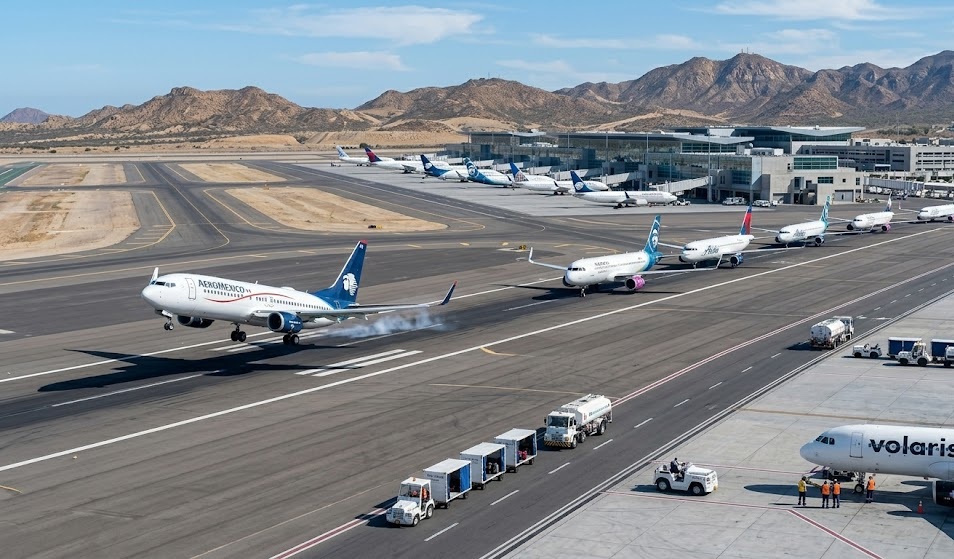
For a deeper look at how this regional growth is unfolding, this analysis of Baja California Sur tourism expansion highlights why the state is now ranked among Mexico’s top destinations.
This balance between premium experiences and natural assets is helping Baja contribute significantly to Mexico’s overall tourism performance.
The Shift Toward Experience-Driven Travel
One of the most important trends shaping Mexico’s tourism boom is the global shift toward experience-driven travel.
Travelers in 2026 are prioritizing:
- Authentic cultural interactions
- Unique natural environments
- Culinary and local experiences
Mexico is uniquely positioned to meet this demand. Its regional diversity allows visitors to combine multiple experiences within a single trip, increasing both satisfaction and spending.
Destinations that successfully deliver these experiences are seeing higher repeat visitation rates, which is a key factor in sustained growth.
Tourism Revenue And Economic Impact
Mexico’s tourism boom is not just about visitor numbers—it is also about economic impact.
According to tourism authorities, the sector contributes over 8% of Mexico’s GDP, making it one of the country’s most important economic drivers. Revenue from international visitors continues to rise, supported by increased spending per traveler.
Here’s a simplified snapshot of Mexico’s tourism performance:
| Metric | 2023 | 2026 (Estimated) |
|---|---|---|
| International Visitors | ~75 million | 80+ million |
| Tourism Revenue | $30B+ | $35B+ |
| Global Ranking | Top 10 | Top 5 |
This growth reflects not only increased demand but also a shift toward higher-value tourism segments.
How Mexico Balances Mass Tourism And Sustainability
One of the challenges Mexico faces as it climbs global rankings is managing the balance between growth and sustainability.
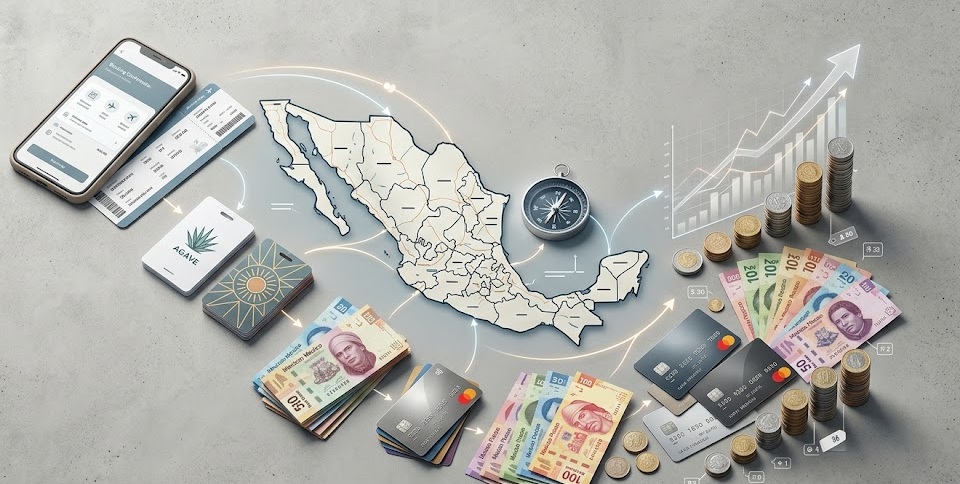
Mass tourism destinations like Cancun continue to drive volume, but they also face issues such as overcrowding and environmental strain. At the same time, emerging destinations like those in Baja are emphasizing controlled growth and conservation.
This dual approach allows Mexico to:
- Maintain high visitor numbers
- Develop new destinations with sustainable practices
- Reduce pressure on over-visited areas
Organizations such as the UN World Tourism Organization tourism data portal have highlighted Mexico’s ability to sustain growth while diversifying its tourism offerings.
Global Competition And Mexico’s Advantage
As global travel rebounds, Mexico faces increasing competition from destinations in Europe, Asia, and the Caribbean. However, it maintains several advantages that are difficult to replicate.
Travel time remains a critical factor. For North American travelers, Mexico offers shorter flights compared to Europe or Asia, making it ideal for both short trips and extended stays.
Additionally, Mexico’s pricing remains competitive relative to other international destinations, particularly when considering the quality of experiences offered.
This combination of accessibility, value, and diversity continues to position Mexico strongly in the global market.
What This Means For Travelers In 2026
For travelers, Mexico’s continued rise offers both opportunities and challenges.
On one hand, visitors benefit from:
- Improved infrastructure and accessibility
- A wider range of destinations and experiences
- Increased quality across tourism services
On the other hand, the popularity of certain destinations can lead to higher prices and increased demand during peak seasons.
Understanding these dynamics allows travelers to make more informed decisions—whether that means exploring emerging regions like Baja or planning visits during less crowded periods.
A Tourism Model That Continues To Evolve
Mexico’s tourism boom in 2026 reflects more than just strong demand—it represents a maturing and evolving industry.
The country is no longer relying solely on traditional tourism hubs. Instead, it is building a diversified portfolio of destinations that cater to different types of travelers while maintaining global competitiveness.
This evolution is what allows Mexico to climb global rankings while maintaining its identity as one of the world’s most dynamic travel destinations.